
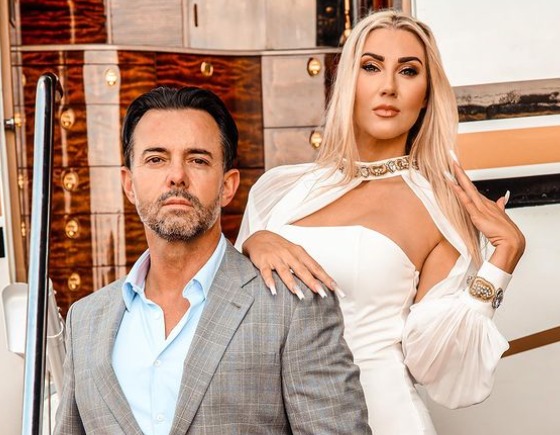
A dramatic fall from grace
When you hear the name Peet Viljoen, it evokes the once-rising franchise empire behind the brand Tammy Taylor Nails in South Africa and the Afrikaans town-to-Miami dream. But what remains in memory now is not the glamour. It is a legal downfall marked by disbarment, lawsuits, and serious reputational damage.
The disbarment and how we got here
Peet Viljoen was disbarred in South Africa in 2011. The precise public details are scant, but the disqualification from legal practice created a dark shadow over his name. Fast forward to 2025, and the case has grown much larger. A US court has ordered Peet and his wife, Melany Viljoen, to pay the original Tammy Taylor Nails company roughly R 71 million (US $4 million) for trademark infringement and breach of contract stemming from their use of the brand after the licensing ended.
From South African salons to global friction
The couple once built a franchise network under the Tammy Taylor brand in South Africa. They later faced a judgment that barred them from using the brand name and logos, in addition to the financial penalty. Their South African business dealings have also drawn accusations: franchisees say they were promised salons that never opened, shares that never materialised and business practices that ignored regulatory safeguards. Many of these stories feature in local media and social discourse.
Social reaction and cultural context
Across social media and South African commentary, the story has struck a nerve. Some see Viljoen as an example of what can happen when ambition outpaces ethics. Others argue the system is stacked and that the Viljoens were caught in a broader clash between white-owned businesses, transformation policies, and franchise regulation in South Africa. The cultural context matters: for many local entrepreneurs, the franchise model holds promise but also carries pitfalls of power, regulation, and accountability.
A fresh perspective on accountability
Rather than viewing this solely as a personal collapse, it’s worth seeing it as a wider marker of accountability in the South African business landscape. The Viljoens built a dream brand, but the legal reality exposed what happens when licensing terms end, when brand owners take back control, and when franchisees feel short-changed. The fact that a US court held the Viljoens liable highlights how global business and local reputations now interact.
What it all means now
Peet and Melany Viljoen relocated to the United States amid the legal fallout. They maintain new ambitions—Peet has spoken of writing US exams to practise law there—and they defend their side of the story. But for South African business watchers, the question remains: can trust once lost in a local growth story ever be fully regained? And how many similar franchise models are quietly teetering on the edge of regulatory or legal breakdown?
Source: Briefly News
Featured Image: KAYA 959