A headline grabber lit up socials
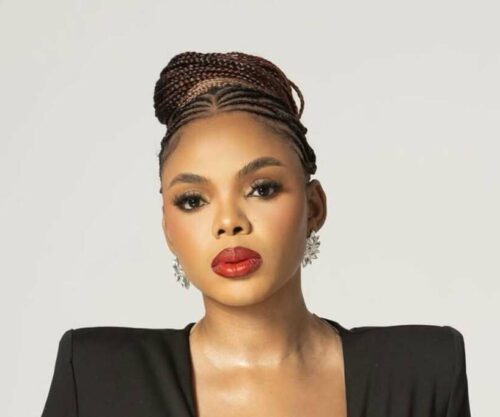
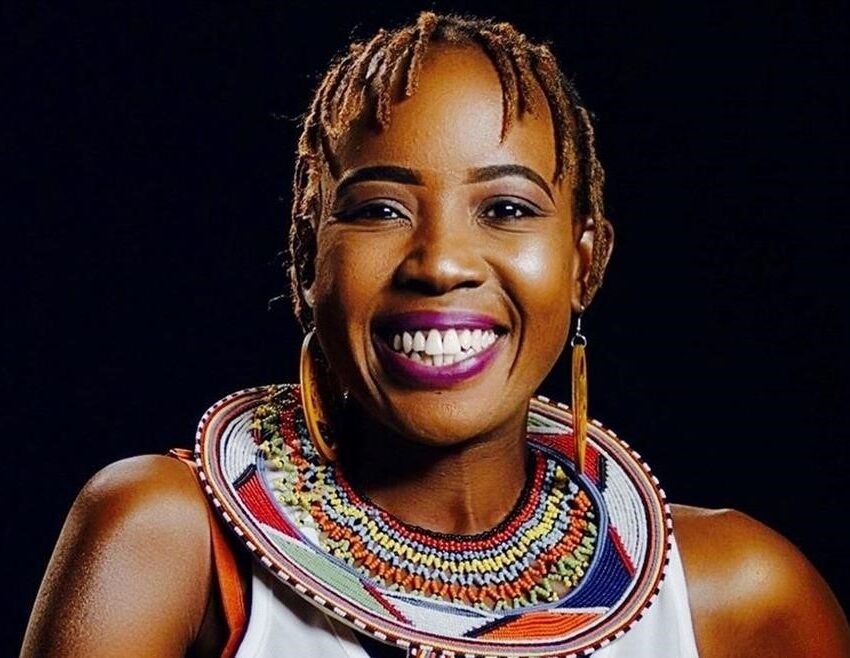
When a fan on social media suggested that prominent poet and public figure Ntsiki Mazwai had lifted the Afro-centric vibe of singer Simphiwe Dana for her own style, Mazwai didn’t hold back. On the platform X, she pushed back hard, claiming her “hair play” began back in February 2022, long before the current fuss.
Her response reignited a heated conversation online about identity, style appropriation, and what it means when two creative spirits draw on the same cultural well.
What Mazwai is saying
According to her post, Mazwai’s Afro-forward aesthetic has been part of her expression since early 2022. That timing, she argues, predates the accusation—drawing a line under claims that she merely copied Dana.
In her words, she stood firm, turning the spotlight back onto the accusers rather than trying to explain herself away.
Nontsikelelo Mazwai, Producer of MOYA PODCAST. pic.twitter.com/yadMdL9rht
— NtsikiMazwaiMedia (@ntsikimazwai) December 1, 2025
Why the debate feels bigger than just a hairstyle
In South Africa, hair is rarely just hair. Afro-centric looks carry history, pride, and identity. For many people of colour, natural hair, braids, and afros are symbols of heritage. When public personalities engage with those symbols, the stakes feel higher.
That’s part of why reactions were so passionate on social media. Some users defended Mazwai, applauding her for speaking out against what they saw as unfair assumptions. Others questioned whether she had been truly original or if the similarities were inevitable when two Black artists embrace natural hair.
Kwenzakalani vele? Same hairdos and shows with same names… pic.twitter.com/iMCPPTlVdT
— Mbuzo usamile (@Umbuzousamile13) December 1, 2025
Moya podcast was created February 2023.
This hair play started in February 2022. https://t.co/TzIWy31Vrh pic.twitter.com/m78eWsyEwM
— NtsikiMazwaiMedia (@ntsikimazwai) December 1, 2025
What this tells us about public perception and cultural ownership
This story highlights a tricky tension in creative spaces across South Africa. On one hand, there is a desire for individual identity and recognition. On the other hand is a shared cultural legacy that many regard as common heritage—not owned by anyone singly but by a community.
When public figures clash over such territory, it tends to amplify a bigger national conversation about authenticity, inspiration, and respect.
Did you pay homage to someone, for that hairstyle? Asking for a friend🤣🤣🤣
Anyway, beautiful and creative… 🫶🏽❤️ pic.twitter.com/Mmu7E0yrhY
— Tshediso (@Tshediso_MET) December 1, 2025
Looking beyond the noise
For Mazwai, this is more than just a hairstyle dispute. It is a stand for Black aesthetic autonomy amid a backdrop where Afro hair has long been policed or changed to fit certain ideals.
Whether you side with her or not, this episode may encourage other artists and public figures to claim their style boldly and not shy away from expressing cultural roots.
In a country where hair has been so much more than a fashion statement, maybe that’s what matters most.
Source: Briefly News
Featured Image: The Southern African Times