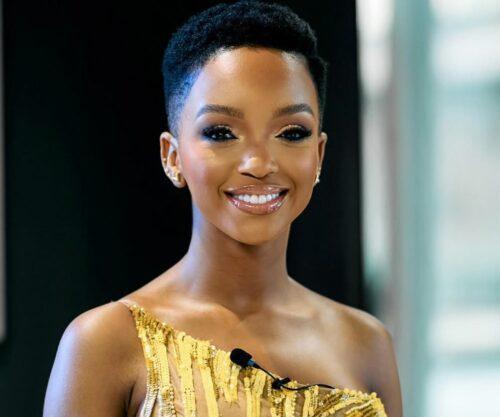
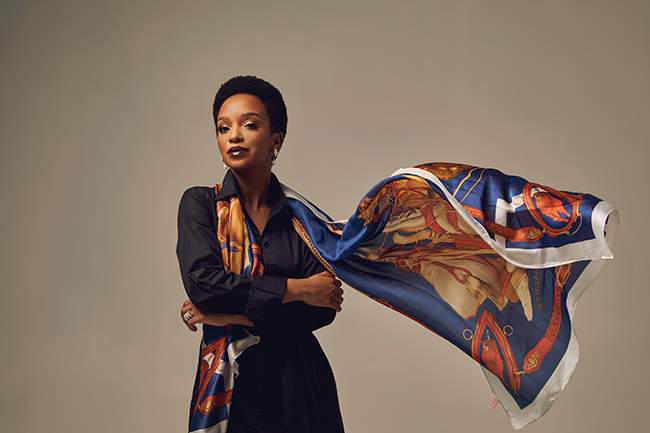
When Nandi Madida sat down on the L-tido Podcast, the conversation quickly moved beyond celebrity chat and into something far more personal. Her comments about Black men, accountability, and the need for grace landed at a moment when South Africans are openly wrestling with masculinity, responsibility, and healing. What followed was an unexpected wave of support, particularly from men who felt seen rather than attacked.
A conversation that hit a nerve
During the podcast, Nandi spoke about how Black men are often discussed only in the context of their failures. She encouraged a more balanced view that allows room for accountability while also recognising the weight of history, social pressure, and trauma many men carry. Her message was not about excusing harmful behaviour. Instead, it was about allowing growth without public shaming becoming the default response.
The tone mattered. Listeners noted that her approach felt calm and thoughtful, rather than confrontational. In a country where gender debates can quickly turn hostile online, that difference was significant.
Why her words resonated
South Africa’s public conversations around gender-based violence, patriarchy, and accountability are intense and necessary. However, many men have also voiced feelings of alienation or spoken about rather than spoken to. Nandi’s remarks struck a middle ground. She acknowledged the need for men to do better while also asking society to recognise progress and effort where it exists.
This balance is likely why so many men reacted positively. On social media, clips from the podcast were widely shared, with users praising her for speaking with empathy rather than judgement. Some men described the moment as refreshing, saying it felt like an invitation into the conversation rather than a lecture.
Someone please tell grootman Zakes Bantwini to marry her again even if he can pay triple lobola money this time. 😍😊 pic.twitter.com/wWviy4ie9o
— Levers_V_Manganye (@VillageGuluva) January 29, 2026
Context matters
Nandi is no stranger to public scrutiny. As a media personality, musician, and the wife of Grammy Award-winning artist Zakes Bantwini, her life often plays out in the public eye. Over the years, she has spoken openly about marriage, partnership and mutual respect, which gives weight to her perspective. Her comments on the podcast felt informed by lived experience rather than theory.
There is also a broader cultural shift underway. Younger South Africans are increasingly interested in redefining masculinity, prioritising emotional awareness, and rejecting rigid gender roles. Nandi’s message fits neatly into this evolving landscape.
Some of us only meet abo Cynthia Rothrock. Grootman Zake is blessed.🙆♂️🙆♂️🥺🥺🥺💔💔💔 pic.twitter.com/41MSCMCAgO
— Levers_V_Manganye (@VillageGuluva) January 29, 2026
Nandi reminded me this documentary by Dr Dr. Jawanza Kunjufu , Countering Conspiracy against black boys 1987 pic.twitter.com/MSsxEzyV7T
— Bhanqo (@ngxikimane) January 29, 2026
The bigger takeaway
What made this moment stand out was not just what Nandi said, but how she said it. By calling for grace alongside accountability, she reframed a conversation that often feels polarising. The reaction suggests there is a real appetite for dialogue that allows complexity rather than forcing people into defensive corners.
In a media space dominated by outrage and soundbites, the L-tido Podcast episode offered something quieter but arguably more powerful. It reminded listeners that progress does not always start with condemnation. Sometimes, it starts with listening.
Source: Briefly News
Featured Image: News24