
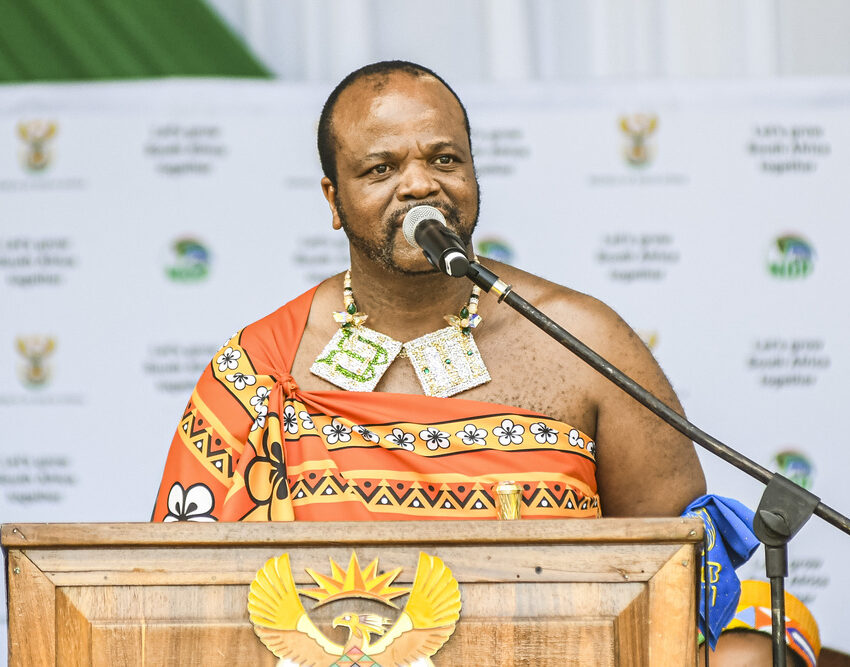
The EmaSwati Sovereign Restoration Committee (ESRC) has petitioned President Cyril Ramaphosa and the African Union, calling for the restoration of territories it claims were historically part of the Swazi Kingdom before 19th-century colonial border demarcations.
Also see: King Mswati set to pay R2 Million and 100 cattles for Nomcebo Zuma
The South Africa-based group, which supports the Eswatini monarchy, argues that colonial-era partitions resulted in the loss of land that now forms part of South Africa.
Historical land claims
According to the committee, the petition focuses on territories it says were separated from the Swazi Kingdom during colonial boundary changes in the 19th century.
Among the areas highlighted are regions around Pongola and Ingwavuma in northern KwaZulu-Natal, as well as parts of present-day Mpumalanga. The ESRC maintains that these areas have historical and cultural ties to the Swazi Kingdom and believes their status should be revisited.
There is an SA based committee that’s pushing for this. The border line actually divided and split some Swati families in half.
One family you find the uncle became South African whilst the Aunt remained in Eswatini. pic.twitter.com/63kgMJ0ITc
— Mr. Husband (@NamedInstigator) July 14, 2026
Also see: King Mswati’s R16 million watch leaves many in shock
Appeal to President Ramaphosa and the African Union
In its petition, the committee urged President Ramaphosa and the African Union to acknowledge what it describes as historical injustices arising from colonial-era land divisions.
The ESRC is calling for the matter to be addressed through diplomatic engagement and dialogue, arguing that historical records and pre-colonial boundaries should form part of discussions on the issue.
South Africa has not responded
At the time of publication, neither the South African Presidency nor the African Union had publicly responded to the petition.
There has also been no indication that the South African government is considering changes to the country’s internationally recognised borders. Any alteration to national boundaries would require extensive legal, constitutional and diplomatic processes involving the affected states.
A longstanding issue
The question of historical land claims has surfaced periodically over the years. Eswatini has previously argued that land lost during the colonial era should be reconsidered, while South Africa has continued to recognise the existing international borders established after both countries gained independence.
International borders are generally governed by treaties and international law, and any territorial changes would require agreement between the countries involved under applicable legal frameworks.
Also see: Mzansi accuses Jacob Zuma of selling his daughters soul with marriage to King Mswati III
Be the first to know – Join our WhatsApp channel for content worth tapping into. Click here to join!