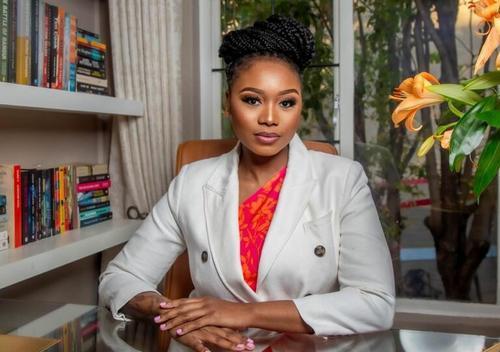
South African author and outspoken social commentator Jackie Phamotse landed at the centre of online controversy after a comment she made on X ignited widespread debate around African parenting, consent and gender-based violence.
The viral exchange began after a social media user questioned how some African parents appear emotionally distant from each other despite having large families. Responding to the post, Phamotse wrote: “Most of the kids were the result of rape.”
Most of the kids were the result of rape. https://t.co/wewD9dzaKO
— Jackie Phamotse (@JackiePhamotse) May 20, 2026
Her response immediately triggered strong reactions online, with thousands of users weighing in on whether the statement reflected an uncomfortable reality or crossed the line.
Also see: Jackie Phamotse ignites national debate over domestic workers
Social media divided over Jackie Phamotse’s comment
Many users defended Phamotse, saying her comment highlighted the often-ignored issue of marital rape and the lack of conversations around consent in many African homes. Supporters argued that older generations were raised in cultures where women were expected to submit to their husbands, regardless of whether consent was given.
Others agreed that her words, while harsh, forced people to confront realities surrounding toxic marriages, abuse and generational trauma.
However, critics accused the author of making sweeping generalisations about African families. Some social media users described the comment as insensitive and inflammatory, arguing that it unfairly painted African parents in a negative light.
Gender-based violence conversation resurfaces
Phamotse has long been vocal about issues affecting women, particularly gender-based violence and abuse. The bestselling author frequently uses her platform to speak about trauma, toxic relationships and the societal silence around abuse.
Her comment has now reignited broader conversations about marital rape, consent within marriage and the cultural expectations placed on women in many African communities.
Why the comment went viral
Part of the reason the post gained traction is because it touched on topics many people consider taboo. Discussions around consent in marriage remain uncomfortable in many societies, especially within conservative African households.
While some believe Phamotse’s wording was too extreme, others say the outrage proves just how difficult these conversations still are.
Regardless of where people stand, the comment has once again placed gender-based violence and consent at the centre of public discussion online.
Also see: Jackie Phamotse writes open letter to President Cyril Ramaphosa
Be the first to know – Join our WhatsApp channel for content worth tapping into. Click here to join!