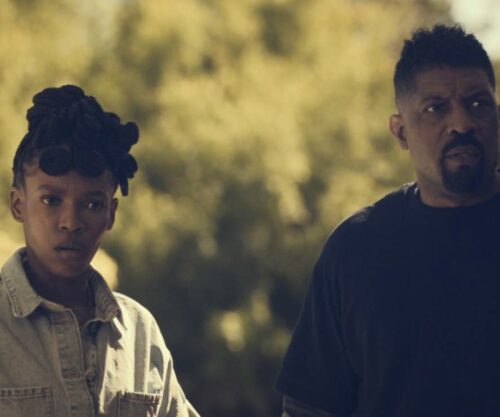
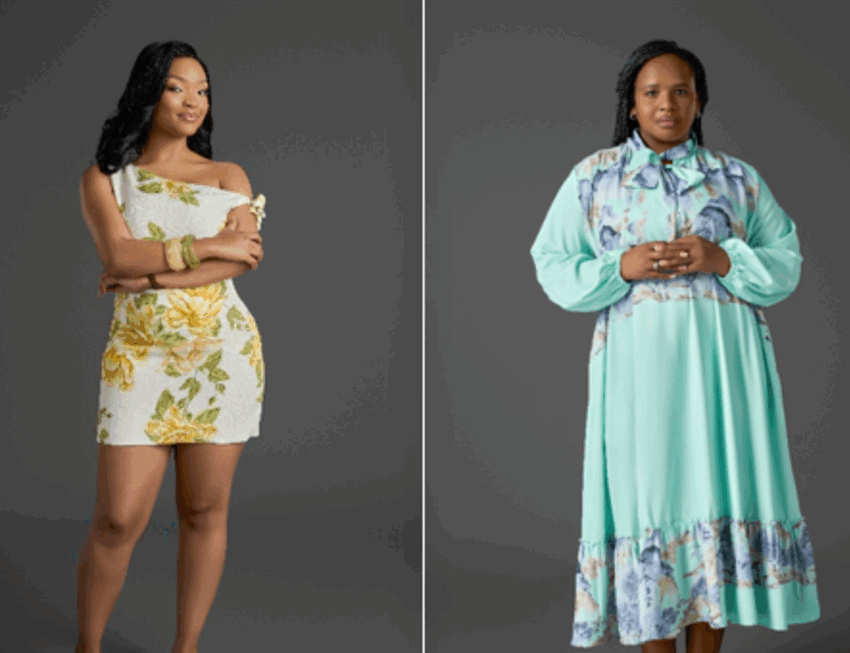
It’s almost a month since the premiere of Kwa Baba on Mzansi Magic and already, it has given viewers plenty to talk about and continues to raise old-age questions about love and tradition. How do they co-exist and what lengths would people go to in getting their ‘happily ever after’?
Also see: Countdown begins as ‘Kwa Baba’ prepares for its big premiere
We spoke to the two women at the centre of this story to find out how they’re navigating these very different roles and what it means to them.
Rorisang Mohapi Grootboom who plays Bahumi Motaung
Q: Bahumi and Zwelakhe seem to connect instantly. Do you believe in love at first sight?
RMG: I do. Sometimes you meet someone and there’s an undeniable connection that you can’t explain. Whether it’s love at first sight or the beginning of something meaningful, I believe those moments are real.
Q: When viewers first meet Bahumi, what kind of woman are they meeting?
RMG: They are meeting a young woman who is kind-hearted, hopeful, and deeply romantic. She believes in love, values family, and approaches life with sincerity, even when it makes her vulnerable.
Q: Without giving too much away, what challenges will test Bahumi’s relationship this season?
RMG: Love is never just about two people, especially when family expectations, personal growth, and life’s unexpected twists come into play. Bahumi and Zwelakhe will have to decide how much they’re willing to fight for each other.
Q: What has been the most rewarding part of bringing Bahumi to life so far?
RMG: The most rewarding part has been exploring her emotional journey. She’s a character who feels deeply, and getting to tell her story in an honest and relatable way has been incredibly fulfilling.
Q: Which qualities of Bahumi do you think viewers will relate to most?
RMG: I think viewers will relate to her vulnerability, her hopefulness, and her desire to be loved and understood. At some point, we’ve all taken a chance on love and hoped for the best.
Q: What can viewers expect from Bahumi as the story unfolds?
RMG: They can expect growth, resilience, and a few surprises. Bahumi’s journey isn’t always easy, but she learns a lot about herself and what she’s truly willing to fight for.
Q: If you had to describe Bahumi and Zwelakhe’s love story in three words, what would they be?
RMG: Passionate. Fated. Unforgettable.
Also see: Inside the ‘Kwa Baba’ private screening: A star-studded affair
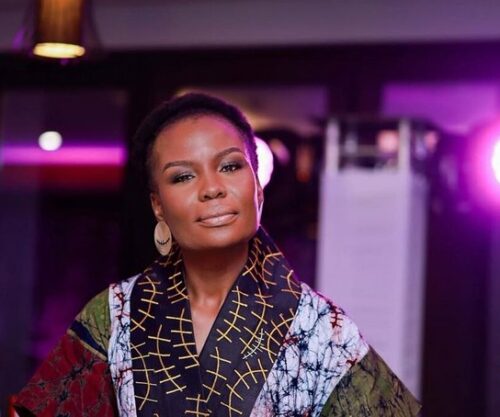
Hlengiwe Lushaba Madla plays MaMbokazi ‘TLB’ Mkhize
Q: MaMbokazi is a respected custodian of culture and tradition within the family. What do you think her character says about the importance of preserving heritage in today’s rapidly changing world?
HLM: MaMbokazi’s character speaks to the importance of having a solid foundation when navigating change. Through MaMbokazi, we see that heritage is not something that holds us back, but something that gives us identity, grounding, and a sense of where we come from as we move forward.
Q: Kwa Baba explores the delicate balance between tradition and modern life. How does MaMbokazi navigate this tension, and what can viewers learn from her approach?
HLM: At the heart of MaMbokazi’s journey is her pursuit of love. Love is a truth that transcends both tradition and modernity. I think audiences can be reminded that, beneath all our differences and changing circumstances, love remains one of the strongest forces that connects us.
Q: As a matriarch, MaMbokazi often carries the responsibility of keeping the family united. What does the role reveal about the power and influence of women within traditional family structures?
HLM: There is a saying, “The hand that rocks the cradle rocks the world.” Women play a pivotal role in shaping societies because societies begin at home. They begin with what we whisper to our children, how we affirm them, and the values we instil in them. MaMbokazi is intentional about the legacy she creates and the kind of people she is raising.
Q: Why is it important for Mzansi audiences to see these traditions authentically represented on screen?
HLM: Tradition and customs define a people – they shape identity and inform how communities understand themselves and each other. To represent these traditions truthfully is to represent a people truthfully. If we are going to tell our stories with integrity, it is important that the rituals and customs of our lives are portrayed with care and authenticity. At the same time, storytelling also allows room for poetic licence, which is an important part of imagination and creativity.
Q: What conversations do you hope MaMbokazi’s character sparks between older and younger generations?
HLM: I hope MaMbokazi sparks a conversation around understanding and compassion between generations. The older generation was also once young; they were also navigating life for the first time. We are all learning, making mistakes, and trying to find our way. There should be room to question, to listen, and to correct one another without harsh judgement.
Q: Through MaMbokazi, viewers see both the strength and the sacrifices that come with leadership. What do you think is her greatest challenge as the family’s moral compass?
HLM: I think MaMbokazi’s greatest challenge is her past. The choices and experiences she carries sometimes stand in the way of the truth she is trying to live in the present. She is constantly having to reconcile who she was, who she is, and who she wants to become.
Also see: Kwanele Mthethwa introduces her character on ‘The Polygamist’
Be the first to know – Join our WhatsApp channel for content worth tapping into. Click here to join!