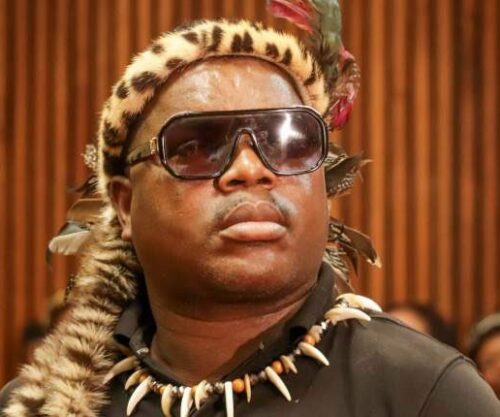
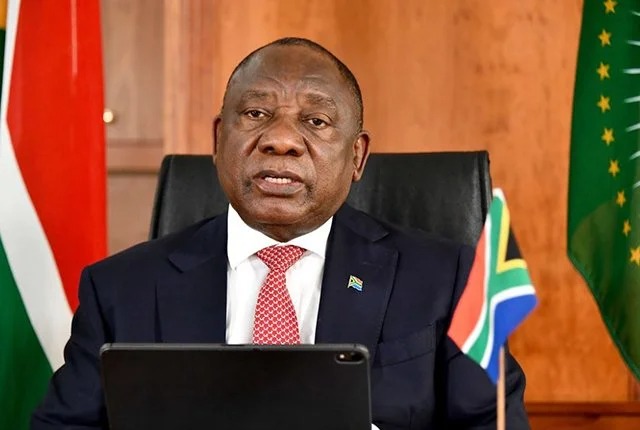
The EmaSwati Sovereign Restoration Committee (ESRC) has renewed calls for the restoration of territories it says historically belonged to the Swazi Kingdom, reviving a longstanding debate over colonial-era borders in Southern Africa.
Also see: King Mswati to take Jacob Zuma’s daughter as 16th wife
The South Africa-based committee has submitted a petition to President Cyril Ramaphosa and the African Union (AU), urging them to consider what it describes as historical injustices arising from 19th-century colonial boundary demarcations.
Petition calls for dialogue
According to the ESRC, the petition seeks dialogue on territories the committee claims were separated from the Swazi Kingdom during colonial-era partitions.
Among the areas referenced are parts of present-day Mpumalanga and northern KwaZulu-Natal, including regions around Pongola and Ingwavuma. The committee argues that these areas have historical and cultural ties to the Swazi Kingdom and believes the issue warrants further discussion.
Previous ‘claims’ involving King Mswati III
The petition comes after reports circulated claiming that King Mswati III had called on President Ramaphosa to return parts of Mpumalanga and KwaZulu-Natal to Eswatini.
As previously reported by BONA, those claims were later debunked. There is no verified evidence that King Mswati III issued an official demand or directive to President Ramaphosa calling for the return of South African territory.
The current development differs from those earlier reports, as it relates to a petition submitted by the EmaSwati Sovereign Restoration Committee, an independent South Africa-based group that supports the Eswatini monarchy. The petition reflects the committee’s position and should not be interpreted as an official position of the Eswatini government or King Mswati III.
Also see: Mzansi accuses Jacob Zuma of selling his daughters soul with marriage to King Mswati III
Appeal to Ramaphosa and the African Union
The committee is calling on President Ramaphosa and the African Union to acknowledge what it describes as historical land losses and to facilitate dialogue on the matter.
Supporters of the petition argue that any discussions should be guided by historical records, cultural heritage and diplomatic engagement between South Africa and Eswatini.
No official response
At the time of publication, neither the South African Presidency nor the African Union had publicly responded to the petition.
There has also been no indication that the South African government is considering any changes to the country’s internationally recognised borders.
A sensitive historical debate
Territorial claims linked to the former Swazi Kingdom have surfaced periodically over the years, often drawing attention to the impact of colonial-era treaties and border changes.
However, South Africa’s borders are internationally recognised, and any alteration would require extensive legal, constitutional and diplomatic processes involving both South Africa and Eswatini.
For now, the ESRC’s petition represents a call for dialogue and recognition of its historical claims rather than any formal process to redraw national boundaries.
Also see: Nomcebo LaZuma reportedly flees ESwatini royal house after months without seeing husband
Be the first to know – Join our WhatsApp channel for content worth tapping into. Click here to join!