Rising from the Ashes
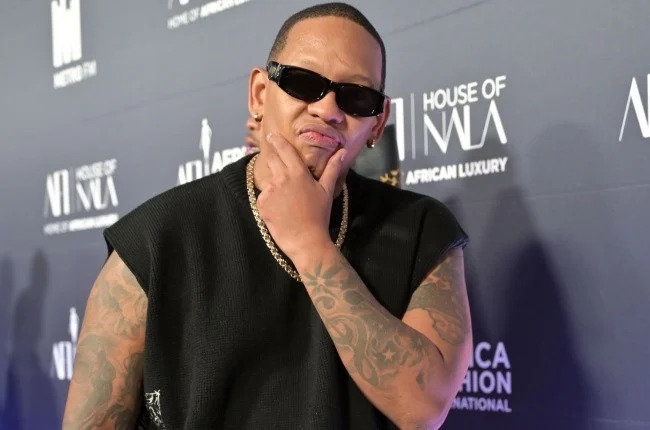
When veteran South African rapper Da Les finally sat down for his first interview post-stroke, many braced for guarded remarks. Instead, he delivered something far more powerful: an honest confession of how, in the dark days before his illness, he turned to drugs just to survive the pain. It is a story not of glamour, but of struggle and survival—and it has resonated deeply with fans across the country.
The moment that changed everything
Back in 2024, Da Les suffered a stroke that shocked the music community. He was 39 at the time—far younger than people typically expect when thinking of strokes. In his interview, he admitted that prior to the stroke, he had been using drugs as a coping mechanism, numbing emotional or physical pain. The drugs may have dulled the hurt for a while, but they also heightened risk factors. Now, he’s navigating the difficult path of recovery and reckoning.
Why the revelation matters
In a culture that often celebrates bravado and invincibility, Da Les spoke up about vulnerability. For many in Mzansi’s streets, his confession breaks the stigma around mental health and substance use. Social media exploded after the interview dropped. Some fans applauded the rapper for his honesty, thanking him for shedding light on issues many suffer in silence. Others expressed concern for his well-being and urged him to prioritise health and healing. Across the board, there’s respect for the realness.
View this post on Instagram
Strokes, young age, and a changing landscape
His story also highlights a worrying trend. Medical experts have cautioned that South Africa is seeing more younger patients with strokes, often linked to poor diet, stress, high blood pressure, and drug abuse. Da Les’s situation underscores that reality. His journey serves as a wake-up call—especially for South Africans in urban areas like Joburg, where pressure, trauma, and easy access to substances can fuel risky behaviour.
What this phoenix rising might look like
For Da Les, this is not just about recovery—it may mark a turning point. With the courage he’s shown in opening up, he could channel the pain into music that speaks truth and healing. Fans and industry watchers alike are hopeful he can transform his pain into art. His willingness to talk publicly could spark deeper conversations about mental health, addiction, and recovery in the South African entertainment world.
It is not just a comeback story. It is a survival story, raw and real.
Source: Briefly News
Featured Image: News24