When grief goes public, words matter
In South Africa, grief rarely stays private for long, especially when it touches a well-known name. That reality hit hard this week after the family of Bravo Le Roux released a death announcement that sparked a fierce online backlash. The statement, intended to inform, instead ignited anger and heartbreak after many noticed a glaring omission: Bravo’s wife was not acknowledged.
Within hours, timelines filled with disbelief and frustration. For many South Africans, the issue was not just etiquette. It was about dignity, respect, and the quiet cruelty of exclusion at a moment when unity matters most.
The omission that set social media alight
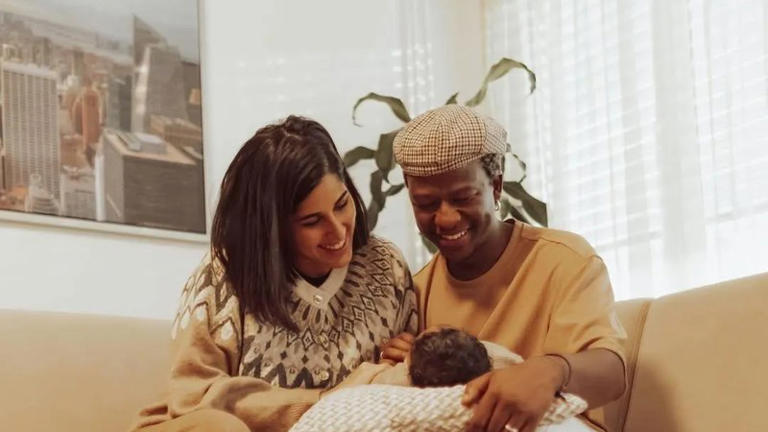
The family statement confirmed Bravo’s passing and outlined arrangements, but it failed to mention his wife, Sabrina Peter Messina, also known to many as DJ Sab. That absence became the centre of the storm.
Online, users called the move cold and unnecessary. Some accused the family of rewriting reality. Others said the silence spoke louder than any sentence, describing it as “showing their true colours.” In a country where marriage is widely seen as a sacred bond, excluding a spouse felt, to many, like erasing a life partnership.
Why this hit such a nerve in South Africa
South African culture places deep value on family structures, marriage, and public acknowledgment of relationships. Death notices here are not just announcements. They are social records, affirmations of who mattered in a person’s life.
That context explains the intensity of the response. Commenters drew on their own experiences of loss, pointing out how painful it is when grief becomes politicised or controlled by those with power over the narrative. In this case, the narrative felt incomplete, and people noticed.
A quieter story behind the noise
What also surfaced was a broader conversation about who gets to speak for the dead. When families release statements, they often do so under immense stress. Yet the public nature of celebrity grief brings extra responsibility.
Some voices urged restraint, reminding others that grief can fracture families and that not every decision is made with malice. Still, even those calling for empathy agreed on one point: acknowledging a spouse is basic human decency, not a courtesy.
View this post on Instagram
The cost of silence in the digital age
In today’s South Africa, silence is rarely neutral. Leaving someone out of a public statement invites interpretation and often condemnation. For many watching this unfold, the episode became a cautionary tale about how quickly public sympathy can turn when grief appears selective.
The backlash also highlighted a growing expectation that families of public figures must navigate loss with transparency and fairness, even when emotions are raw.
View this post on Instagram
More than celebrity gossip
This story resonated because it tapped into something universal. The fear of being erased. The need to be seen. The belief that love should be honoured, especially at the end.
As the noise settles, one thing is clear. In moments of loss, words carry weight. And in South Africa, the public will always speak up when those words fall short.
Source: Briefly News
Featured Image: MSN