Fear and uncertainty remain some of the greatest barriers stopping women from pursuing cosmetic surgery.
For many, discussions around body confidence remain intensely personal, often shaped by the physical transformations of motherhood, the effects of ageing, and the ongoing pressures of societal expectations.
Add the lingering taboo surrounding the topic, and the lack of clear, trustworthy information, and it is easy to see why cosmetic procedures are so often approached with hesitation or even shame.
Also see: Vuyokazi Nciweni Opens Up About Her Next Cosmetic Surgery Journey
According to Professor Sofianos, a leading figure in the field of aesthetic surgery, the antidote to this fear is clear, accessible information. “Clarity is key,” he says. “When individuals fully understand what a procedure involves, they are empowered to make informed decisions that align with their personal goals, values, and lifestyle, rather than being paralysed by fear or misinformation.”
To support women in navigating this often-sensitive landscape, Professor Sofianos has turned the spotlight on two of the most frequently requested body contouring procedures: liposuction and abdominoplasty, commonly known as a tummy tuck. Many women use the terms interchangeably, unaware that the two address very different needs.
He explains that liposuction is ideal for removing small, stubborn pockets of fat that resist diet and exercise, helping to sculpt and contour the body. A tummy tuck, on the other hand, goes further, not only removing excess fat and skin but also repairing weakened or separated abdominal muscles. This is particularly beneficial following pregnancy or significant weight loss.
“When you understand the distinction between the two, you begin to see that these are not one-size-fits-all procedures. They serve very different purposes, and knowing which is right for you is the first step to achieving results and outcomes that truly support your health and confidence,” he adds.
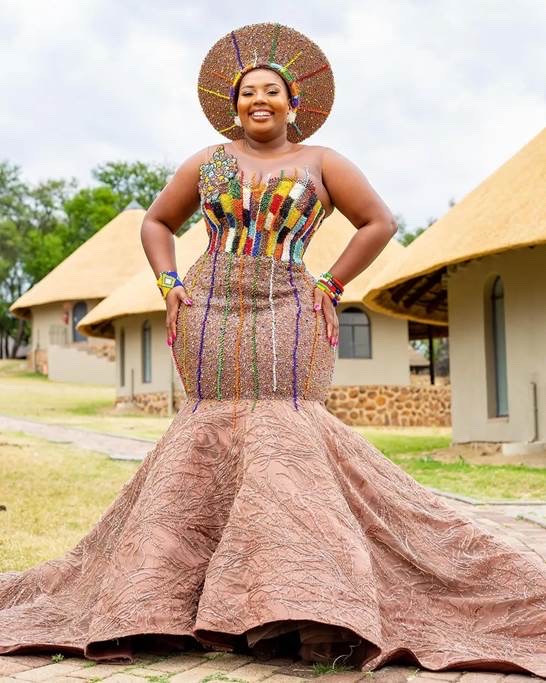
LaConco: Why knowledge changed everything
For South African media personality and entrepreneur Nonkanyiso ‘LaConco’ Conco, this clarity was life-changing. After previously undergoing multiple rounds of liposuction procedures based on misguided advice, she eventually sought out Professor Sofianos for a tummy tuck – an experience she describes as not only cosmetic, but deeply emotional.
“For me, the tummy tuck wasn’t just about the physical changes. It was a journey of emotional healing and regaining control over my body,” she says.
“If I had been better informed and consulted with a specialist sooner, I would have saved myself money and many hours of recovery.”
Also see: Khanyi Mbau flaunts her new look after cosmetic surgery
As someone who has previously undergone surgical cosmetic procedures, she speaks openly about the importance of preparation in facing her fears: asking questions, learning what to expect, and giving herself the space to focus on recovery.
Her decision to speak openly about her experience serves as an inspiring example for Black women in South Africa, destigmatising the subject of cosmetic surgery.
“As Black women, we don’t always see our stories reflected in conversations around body confidence and cosmetic surgery. That’s why I’m choosing to share mine, so that others know it’s okay to feel nervous, but it’s also possible to overcome those fears by asking questions. Body confidence is a personal journey, and knowledge is the first step towards self-assurance.”
For Professor Sofianos, her story is proof of the power of proper preparation. He emphasises that surgery is never just about the operation itself, but should include asking the right questions and understanding the risks and outcomes before the procedure, as well as ensuring proper aftercare post-surgery.
“Patients who walk into the process well-informed are calmer, more confident, and ultimately, more satisfied with their results. Knowledge reduces fear and ensures a safer and more positive experience,” he notes.
By understanding the distinction between surgical options, challenging common myths, and preparing emotionally as well as physically, women are better positioned to make decisions that honour their bodies and their confidence.