
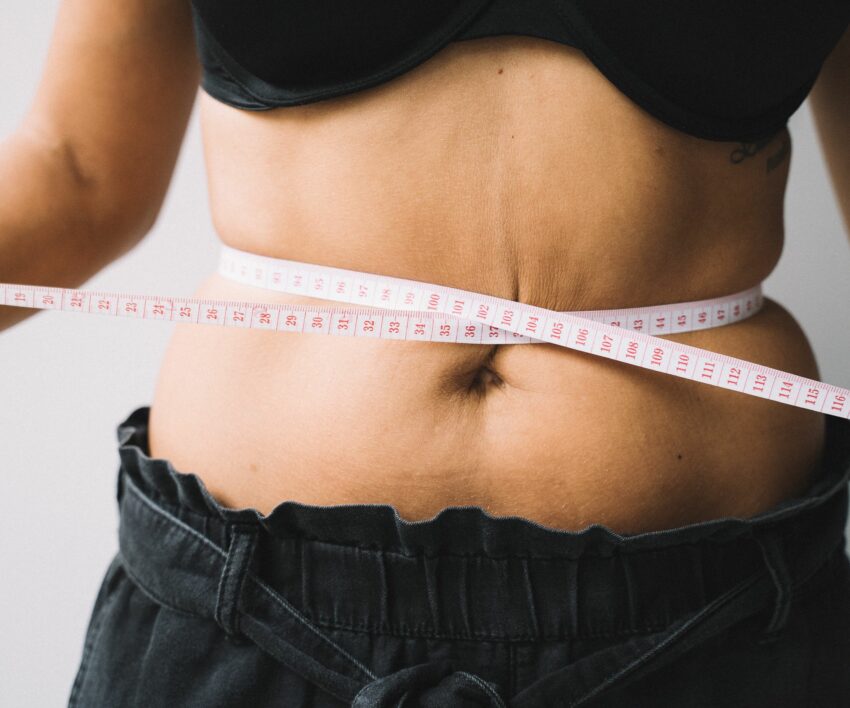
Losing body fat does not have to involve extreme diets or exhausting workouts. Sustainable fat loss generally comes from creating a manageable calorie deficit while maintaining a nutritious diet, staying physically active and getting enough sleep.
Also see: Why belly fat becomes harder to lose after 40 – and what to do about it
The Healthline notes that gradual, steady weight loss is more likely to be maintained than rapid weight loss.
Here are some simple habits that can support healthy fat loss.
1. Focus on balanced meals
Rather than eliminating entire food groups, build meals around vegetables, fruit, whole grains and sources of protein such as eggs, beans, fish, lean meat and legumes.
Protein can help make meals more filling, while vegetables provide fibre and nutrients without adding large amounts of energy. The NHS recommends including protein in meals and filling a substantial portion of your plate with vegetables when trying to lose weight.
2. Be mindful of portions
Even nutritious foods can contribute to weight gain when eaten in quantities that provide more energy than your body needs. Paying attention to portion sizes can therefore be a useful strategy.
You do not necessarily have to count every calorie. Instead, start by becoming more aware of serving sizes and how much you are eating throughout the day.
3. Cut back on sugary drinks
Soft drinks, sweetened juices and other sugary beverages can add significant amounts of calories without making you feel particularly full.
Choosing water more often can be a simple way to reduce your overall calorie intake. The NHS notes that replacing sugary drinks with water can help reduce calorie consumption.
Also see: Top 5 reasons your weight-loss plan is not working
4. Increase your daily movement
You do not need to spend hours in the gym to become more active. Walking, cycling, gardening, dancing and taking the stairs can all contribute to your daily physical activity.
For general health, adults should aim for at least 150 minutes of moderate-intensity aerobic activity each week, along with muscle-strengthening activities on at least two days per week.
5. Include strength training
Strength training can complement aerobic exercise while helping you maintain and build muscle. Activities can include bodyweight exercises, resistance bands, weight training or other exercises that challenge the major muscle groups.
Combining regular physical activity with appropriate food intake can support weight management.
6. Get enough sleep
Sleep is often overlooked when people are trying to lose weight. The NHS notes that insufficient sleep can make weight management more difficult and may contribute to increased food choices and reduced motivation to exercise.
Creating a consistent bedtime routine and prioritising adequate sleep can therefore be part of a healthier weight-management plan.
Body-fat loss takes time, and progress can vary from person to person. The NHS recommends aiming for gradual weight loss rather than trying to lose weight rapidly. You need to be patient with weight loss and pay attention to sustainable habits.
There is no single diet or exercise routine that works for everyone. But a combination of balanced meals, appropriate portions, regular movement, and sufficient sleep can provide a more sustainable foundation for managing body weight and body fat.
Also see: Tips for maintaining healthy braids and protecting your hair
Be the first to know – Join our WhatsApp channel for content worth tapping into. Click here to join!