
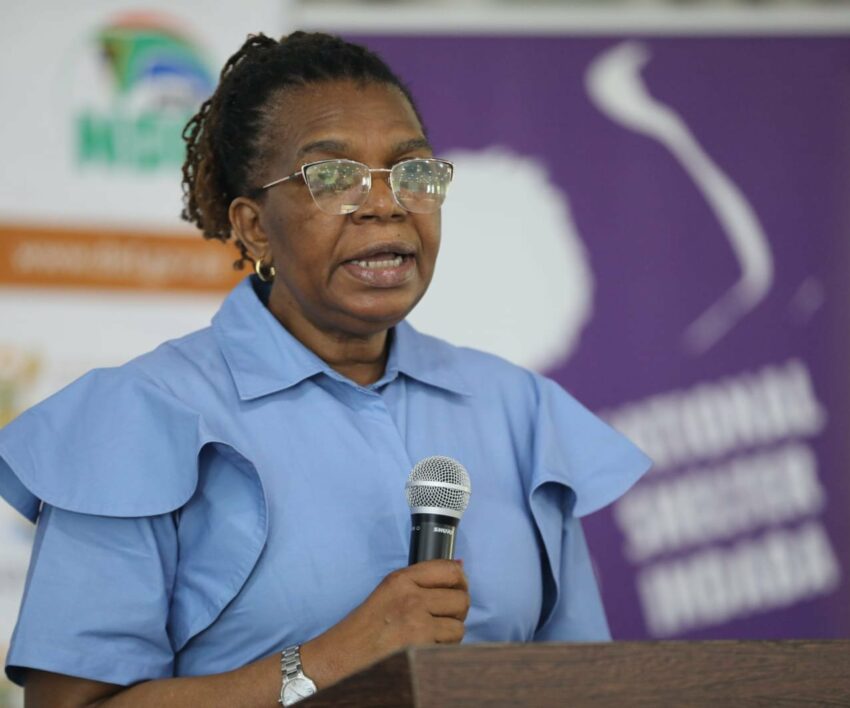
The National Shelter Indaba, an annual national gathering of government officials, shelter workers, and civil society groups focused on improving safety and support for GBV survivors, ran until yesterday, 16 September 2026. The general takeaway of the meeting was an emphasis on the importance of strengthening national and global efforts to help stop gender-based violence and femicide (GBVF).
Also see: Presidency confirms Cyril Ramaphosa booked off due to ill health
The theme of this year’s National Shelter Indaba was the social integration of GBVF intervention. The delegates from the professional bodies present at the gathering highlighted the need for social collaboration and collective action to address GBVF.
Social cohesion and tolerance
Tolerance was one of the first points of discussion on the first day. IOL reports that government officials and shelter representatives agreed that promoting tolerance and social cohesion is crucial to achieving progress in the fight against GBVF.
The Department of Social Development (DSD) leads Pillar 4 of the National Strategic Plan on Gender-Based Violence and Femicide (NSP-GBVF), which focuses on response, care, support and healing.
The Minister of Social Development Dina Pule, praised the National Shelter Movement of South Africa (NSMSA) and the Heinrich Böll Foundation for their consistent support over the six years. Sharing that their efforts on the frontline, being the hands that reach out to survivors and the voices that “speak hope in despair,” are efforts worthy of admiration.
Also see: ‘We deserve to live’: Liesl Laurie-Mthombeni’s 2020 post sparks fresh conversation
CARA funding
Pule says that the DSD appreciates the work done across 134 operational shelters. The work was made possible through the collaborative efforts between her department and the Department of Public Works and Infrastructure (DPWI).
The Minister also shared that through the Criminal Asset Recovery Account (CARA) funding, the department was able to provide nine vehicles for trafficking in persons (TIP) shelters in the nine provinces.
They are also establishing four Khuseleka one-stop centres in Limpopo, Mpumalanga, Northern Cape and KwaZulu-Natal.
Pule notes that social integration cannot be an abstract concept; actions need to be concrete. She adds that survivors need to be at the centre of every resource decision made and that survivors’ voices must guide their actions.
Also see: Malesela Teffo arrested at Legal Practice Council offices over contempt of court
Be the first to know – Join our WhatsApp channel for content worth tapping into. Click here to join!