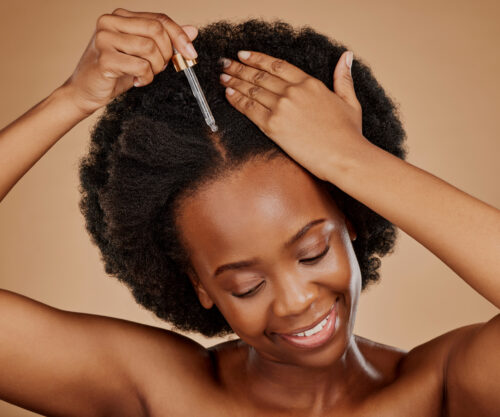
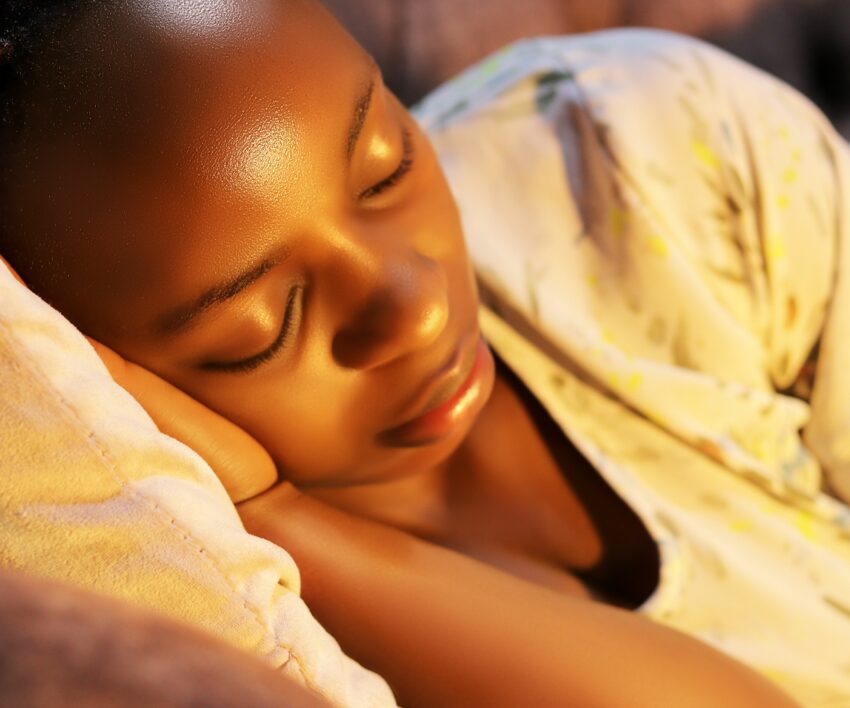
Sleep is often described as essential for the brain and body, but it also plays an important role in maintaining healthy-looking skin.
Also see: Ingredients to look for in your skincare products
While one bad night may leave you looking tired the next morning, consistently poor sleep can affect skin hydration, barrier function, recovery and the visible signs of ageing.
Research from the National Institutes of Health suggests that sleep loss can influence both how the skin functions and how it looks.
Poor sleep can make skin look dull and tired
One of the most immediate effects of insufficient sleep is a change in facial appearance. Research has found that sleep-deprived people may be perceived as having paler skin, darker under-eye circles, more swollen eyes and more visible fine lines and wrinkles.
Furthermore, sleep deprivation can increase facial skin yellowness, a characteristic that can contribute to a dull or sallow appearance.
It can reduce skin hydration
Your skin needs an effective barrier to retain moisture. Sleep restriction can interfere with this process.
A study based on healthy women found that just two consecutive nights of sleeping three hours per night resulted in significantly lower skin hydration and increased transepidermal water loss. The research from the National Institutes of Health also observed changes in skin elasticity and facial appearance.
Also see: Affordable Skincare for Melanin-Rich Skin in South Africa
Poor sleep can weaken the skin barrier
The skin barrier is the outer protective layer. It helps prevent excessive water loss and protects the body from environmental irritants. A compromised barrier can make skin more vulnerable to dryness and irritation.
How to protect your skin through better sleep
A good skincare routine can help, but it cannot completely compensate for consistently inadequate sleep.
Consider:
- Aim for consistent, sufficient sleep rather than trying to catch up irregularly.
- Keep your sleep and wake times relatively consistent, including on weekends.
- Stay hydrated and use a gentle moisturiser to support the skin barrier.
- Use sunscreen during the day, since UV exposure is a major contributor to skin ageing.
- Avoid excessive alcohol and late-night habits that can interfere with sleep quality.
- Manage stress, which can affect both sleep and skin health.
Poor sleep doesn’t simply make you feel exhausted—it can also show on your skin. Getting enough sleep should therefore be considered part of a healthy skincare routine. Creams and serums support the skin externally, while restorative sleep helps repair it internally.
Also see: Angel Ndlela expands her empire with new skincare venture
Featured image: Pexels
Be the first to know – Join our WhatsApp channel for content worth tapping into. Click here to join!