
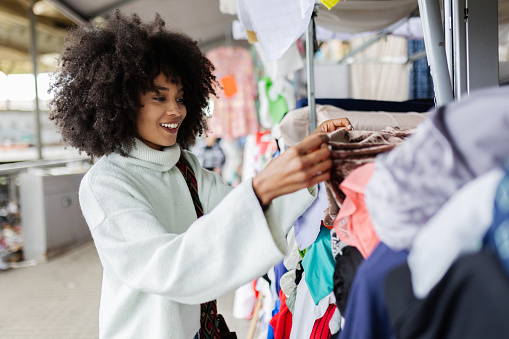
Shopping for second-hand clothing has become increasingly popular as more people embrace sustainable fashion, save money and search for unique wardrobe finds. From vintage boutiques and thrift stores to online marketplaces, pre-loved fashion offers countless opportunities to refresh your style without overspending.
Also see: Looking chic while carrying: How to choose maternity clothes
Whether you’re new to thrifting or a seasoned bargain hunter, these tips can help you shop smarter and build a wardrobe you’ll love.
Know what you’re looking for
It’s easy to get overwhelmed when browsing racks filled with one-of-a-kind items.
Before you shop, make a list of pieces you actually need, such as jeans, blazers, dresses or workwear. Having a plan helps you stay focused and avoid impulse purchases.
According to the Fashion Revolution, buying intentionally rather than impulsively is one way consumers can reduce fashion waste.
Inspect every item carefully
Unlike new clothing, second-hand items may show signs of wear.
Check garments for stains, tears, missing buttons, broken zips, stretched fabric or loose seams before purchasing. Also inspect the underarms, hems and collars, as these areas tend to show wear first.
Small repairs can often be worthwhile, but extensive damage may not be worth the investment.
Always check the fabric label
Quality fabrics generally last longer and often look better over time.
Natural fibres such as cotton, linen, wool and silk tend to be durable and breathable, although many high-quality blended fabrics also wear well.
Good On You recommends paying attention to fabric composition, as higher-quality materials typically have a longer lifespan.
Try clothes on if possible
Sizing varies widely between brands and has changed over the years.
Instead of focusing on the size printed on the label, pay attention to how the garment fits your body.
If fitting rooms aren’t available, consider taking a measuring tape with you and compare measurements to clothes you already own.
Think beyond the current season
One advantage of second-hand shopping is that you can often find clothing for every season throughout the year.
Buying winter coats during summer or summer dresses during winter can sometimes save you even more money.
Planning ahead also gives you more time to build a versatile wardrobe.
Also see: Tips to spend less on Christmas shopping
Look for timeless pieces
Classic styles often offer better value than fast-changing trends.
Blazers, white shirts, denim jackets, quality jeans, leather handbags and neutral knitwear are wardrobe staples that can be worn for years.
Fashion Revolution encourages consumers to buy fewer, better-quality garments that will last longer.
Don’t overlook accessories
Scarves, handbags, belts, hats and jewellery are often among the best bargains in second-hand stores.
These items usually experience less wear than clothing and can instantly refresh an outfit without a significant investment.
Wash or clean purchases before wearing them
Although many second-hand stores clean donated items, it’s always best to wash or dry-clean clothing before wearing it.
Follow the care instructions on the garment label to avoid damaging delicate fabrics.
Shoes, handbags and accessories can also be wiped down or sanitised according to the manufacturer’s recommendations.
Keep an open mind
Some of the best thrift finds require a little imagination.
A slightly oversized blazer can be tailored, a long dress can be shortened and vintage pieces can be styled in modern ways.
Shopping second-hand often rewards creativity and patience.
Support sustainable fashion
Buying pre-loved clothing helps extend the life of garments and reduces the demand for new clothing production.
According to the United Nations Environment Programme (UNEP), extending the lifespan of clothing is one way consumers can help reduce the fashion industry’s environmental impact.
Every second-hand purchase contributes to a more circular fashion economy by keeping wearable clothing in use for longer.
The bottom line
Shopping second-hand is about more than finding affordable clothing—it’s an opportunity to discover unique pieces, reduce waste and make more sustainable fashion choices.
By inspecting garments carefully, focusing on quality, shopping intentionally and caring for your purchases, you can build a stylish wardrobe that’s both budget-friendly and environmentally conscious.
Also see: A guide to shopping for people who hate shopping
Be the first to know – Join our WhatsApp channel for content worth tapping into. Click here to join!