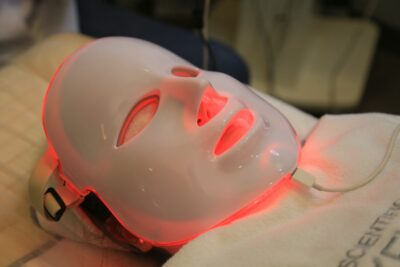
Light therapy has become one of the most popular non-invasive skincare treatments, offering solutions for concerns ranging from acne and fine lines to uneven skin tone and inflammation.
Using specific wavelengths of light, this treatment works beneath the skin surface to stimulate natural healing processes without surgery or lengthy recovery times.
Also see: How to use rice water for skin care
How does light therapy work?
According to GQ South Africa, light therapy uses different colours of light to target specific skin concerns. Each wavelength penetrates the skin at varying depths, triggering biological responses that promote healthier skin.
Light therapy has moved from dermatology clinics into everyday skincare routines, appearing in everything from LED face masks to in-office treatments that promise clearer, smoother skin.
GQ also reports that, at its core, light therapy relies on the idea that specific wavelengths of light can interact with the skin at different depths. It can trigger a biological response, such as reducing acne-causing bacteria, stimulating collagen production or calming inflammation.
Types of light therapy and their benefits
The main detail of light therapy is that not all light behaves in the same way once it enters the skin, which is why treatments are separated by colour and intensity.
According to Healthline, when you decide to try these different light treatments, you need to check with your doctor or dermatologist first, as there is a potential risk of eye damage. Although LEDs are safer on the eyes than traditional lasers, proper eye protection should be worn during any of the treatments.
Also see: Skincare Mistakes That Cause Hyperpigmentation: Why Your Dark Marks Aren’t Fading
Red light therapy
Red light penetrates deep into the skin, stimulating the production of collagen and elastin—the proteins responsible for maintaining firm, youthful-looking skin. The red-light treatments are most commonly associated with skin rejuvenation in the context of ageing skin.
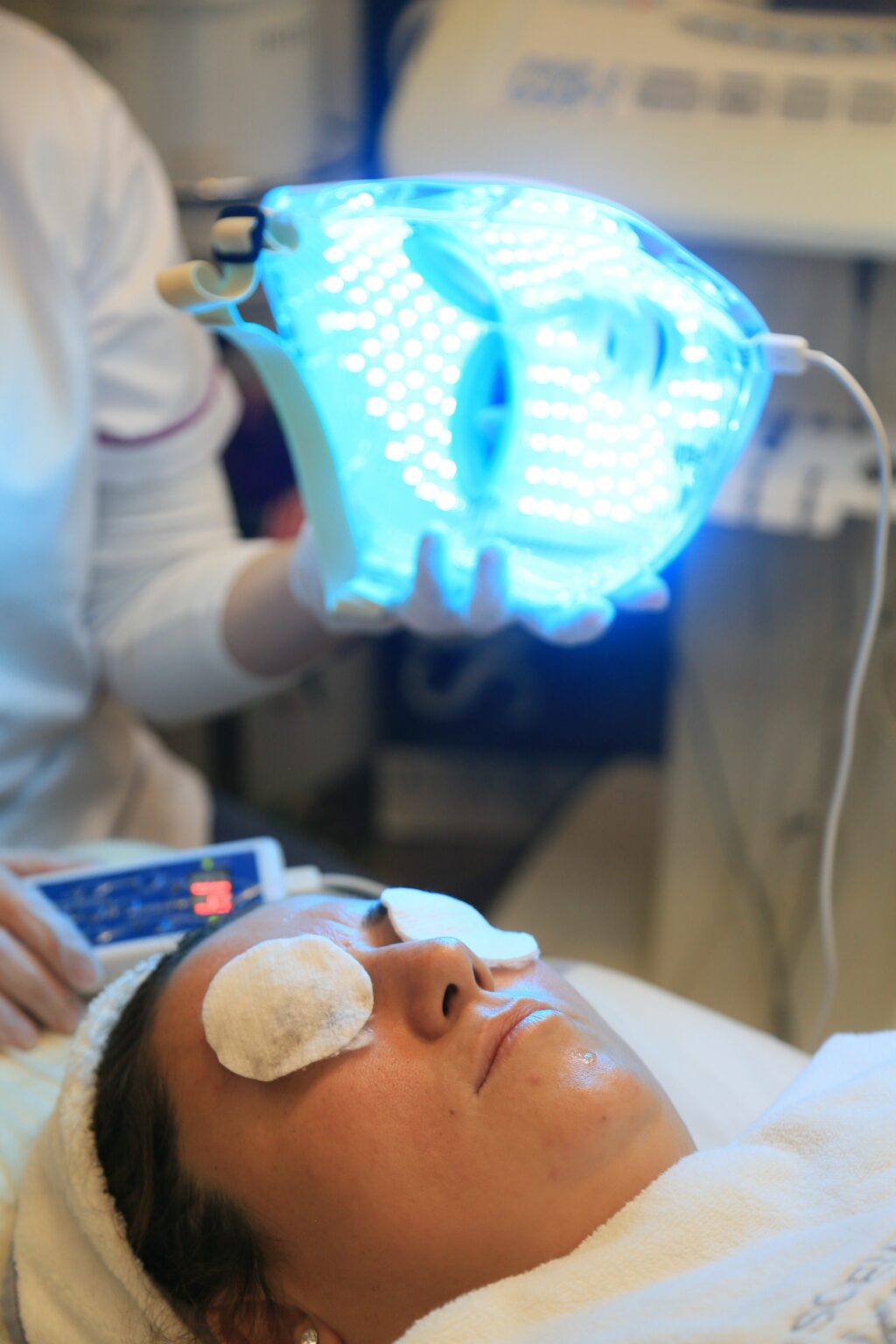
Blue light therapy
Blue light targets acne-causing bacteria on the skin’s surface, making it particularly effective for people with mild to moderate acne. Benefits include killing acne-causing bacteria and reducing active breakouts.
Green light therapy
Green light is commonly used to improve skin pigmentation and promote a more even complexion, making your skin brighter.
According to the Cleveland Clinic, research suggests that LED light therapy can help reduce and improve some skin conditions and issues. You likely won’t see dramatic anti-ageing or acne-reducing results immediately, although you might experience subtle improvements in your skin’s appearance.
Also see: Skincare Ingredients You Should Never Mix, According to Dermatologists
Featured image: Pexels
Be the first to know – Join our WhatsApp channel for content worth tapping into. Click here to join!