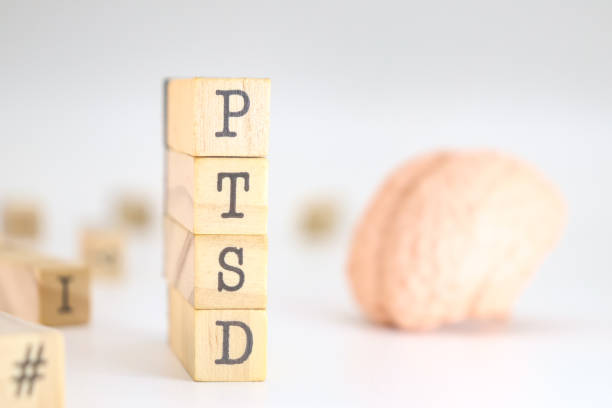
When people hear the term post-traumatic stress disorder (PTSD), they often picture dramatic flashbacks or military combat. While these can be part of PTSD, the condition is far more complex—and its warning signs are often subtle enough to go unnoticed for months or even years.
Also see: Opening up about your mental health as a young man
According to IOL, PTSD can develop after experiencing or witnessing a traumatic event such as a serious accident, natural disaster, physical or sexual assault, domestic violence, childhood abuse, or the sudden loss of a loved one. Not everyone responds to trauma in the same way, and many people dismiss early symptoms as stress, burnout, or simply having a “bad day.”
Recognising the less obvious signs can make a significant difference in getting help early. Mayo Clinic, an American-based organisation, depicts these few signs as the main signs to look out for;
PTSD signs
Emotional numbness
One of the most overlooked symptoms is feeling emotionally disconnected.
This is when a person with PTSD may struggle to experience joy, excitement, or even sadness. They may withdraw from family and friends, lose interest in hobbies they once loved, or feel detached from the people around them.
Constant irritability
Many people associate PTSD with fear, but anger and irritability are equally common. Small frustrations may trigger unusually strong emotional reactions. Someone who was once patient may become easily annoyed or have unexpected outbursts without understanding why.
Trouble sleeping
Sleep problems are often mistaken for ordinary stress. People with PTSD may have difficulty falling asleep, staying asleep, or experience frequent nightmares related or unrelated to the traumatic event. Poor sleep can worsen anxiety, concentration, and mood over time.
Avoiding certain places or conversations
Avoidance is one of PTSD’s hallmark symptoms. A person may steer clear of locations, people, sounds, or discussions that remind them of the trauma. Sometimes the avoidance is so subtle that even they don’t realise they’re doing it.
Also see: Why focusing on your mental health is a powerful step
Feelings of guilt or shame
Many people with PTSD carry intense guilt, believing they could have prevented what happened or should have reacted differently. These feelings can become overwhelming and contribute to depression, low self-esteem, and social withdrawal.
Changes in relationships
PTSD can make it difficult to trust others or feel emotionally close to loved ones. This may lead to misunderstandings, conflict, or isolation. Partners and family members may notice changes before the individual recognises them.
Increased use of alcohol or drugs
Some individuals attempt to cope with painful memories or overwhelming emotions by using alcohol or drugs. While this may provide temporary relief, it often worsens PTSD symptoms and creates additional health challenges.
Breaking the stigma
PTSD is not a sign of weakness or a lack of resilience. It is a recognised mental health condition that can affect anyone after experiencing trauma. Early recognition, compassionate support, and evidence-based treatment can help people recover and regain a sense of safety and control.
If you or someone you know is showing these warning signs, reaching out to a qualified mental health professional is an important first step. Healing is possible, and no one has to face PTSD alone.
Also see: Caring for your mental health during winter
Featured image: Pexels
Be the first to know – Join our WhatsApp channel for content worth tapping into. Click here to join!