
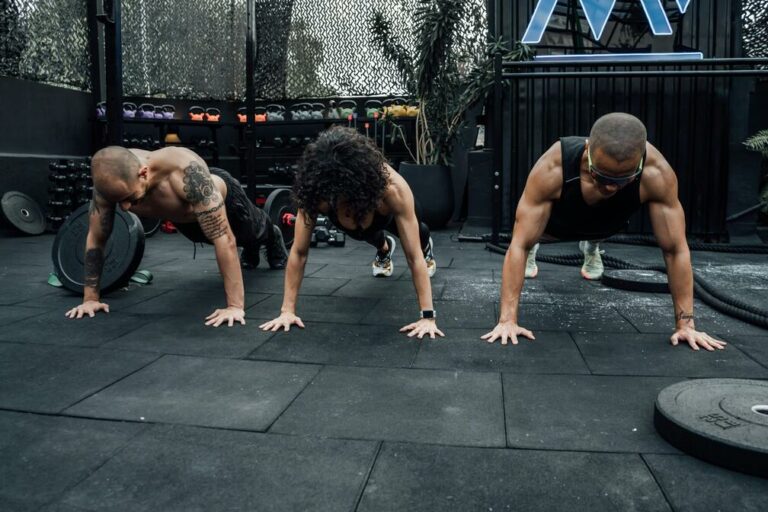
Finding time for exercise can be challenging, especially for people juggling work, family and other responsibilities. As a result, a growing fitness trend known as ‘exercise snacks’ has gained popularity. These are short bursts of physical activity, often lasting just a few minutes, performed throughout the day instead of one long workout session.
Also see: Are micro-workouts effective? Why mini sessions are gaining traction
But can these mini-workouts really improve your health and fitness? Research suggests the answer is yes.
What are exercise snacks?
Exercise snacks refer to brief periods of physical activity performed multiple times throughout the day. Examples include climbing stairs, taking a brisk walk around the block, doing a few sets of squats, or completing a short bodyweight workout.
According to researchers at McMaster University, exercise snacks are designed to be convenient and accessible, making it easier for people to incorporate movement into their daily routines.
The health benefits of short workouts
Research has shown that even small amounts of physical activity can have significant health benefits. A 2023 study published in the journal Nature Medicine found that short bursts of vigorous activity lasting one to two minutes were associated with a lower risk of cardiovascular disease and cancer among people who did not regularly exercise.
Similarly, researchers from the University of Sydney reported that accumulating brief periods of intense activity throughout the day can contribute to improved overall health and longevity.
They can improve fitness levels
Exercise snacks may also help improve cardiovascular fitness. According to researchers at McMaster University, climbing stairs vigorously for short intervals several times a day can increase cardiorespiratory fitness in previously inactive individuals.
Improved cardiovascular fitness is linked to better heart health, increased energy levels, and a reduced risk of chronic diseases.
Also see: How to romanticise your workouts so they feel less like chores
Breaking up sedentary time matters
Many people spend hours sitting at desks, in cars, or on couches. According to the World Health Organisation, prolonged sedentary behaviour is associated with an increased risk of heart disease, diabetes, and premature death.
Research suggests that interrupting long periods of sitting with short bouts of movement can help regulate blood sugar levels, improve circulation and reduce some of the health risks associated with a sedentary lifestyle.
Are exercise snacks enough?
While exercise snacks offer meaningful health benefits, experts generally recommend combining them with regular physical activity when possible.
The World Health Organisation advises adults to aim for at least 150 to 300 minutes of moderate-intensity physical activity or 75 to 150 minutes of vigorous-intensity activity each week. Exercise snacks can help people work towards these goals, particularly on busy days when longer workouts are not practical.
Easy exercise snacks to try
If you’d like to incorporate exercise snacks into your day, consider:
- Taking the stairs instead of the lift.
- Doing 20 to 30 bodyweight squats during work breaks.
- Going for a five-minute brisk walk every hour.
- Performing a quick set of lunges while waiting for food to cook.
- Dancing to your favourite song.
- Doing a few minutes of jumping jacks or high knees.
Exercise snacks may be short, but they can have a meaningful impact on your health. Research increasingly shows that brief bursts of physical activity can improve fitness, support heart health and help counter the effects of prolonged sitting.
For people who struggle to find time for traditional workouts, exercise snacks offer a simple and practical way to stay active. While they may not replace a structured fitness routine entirely, every movement counts—and those small bursts of activity can add up over time.
Also see: Power up your workouts with beetroot powder
Be the first to know – Join our WhatsApp channel for content worth tapping into. Click here to join!