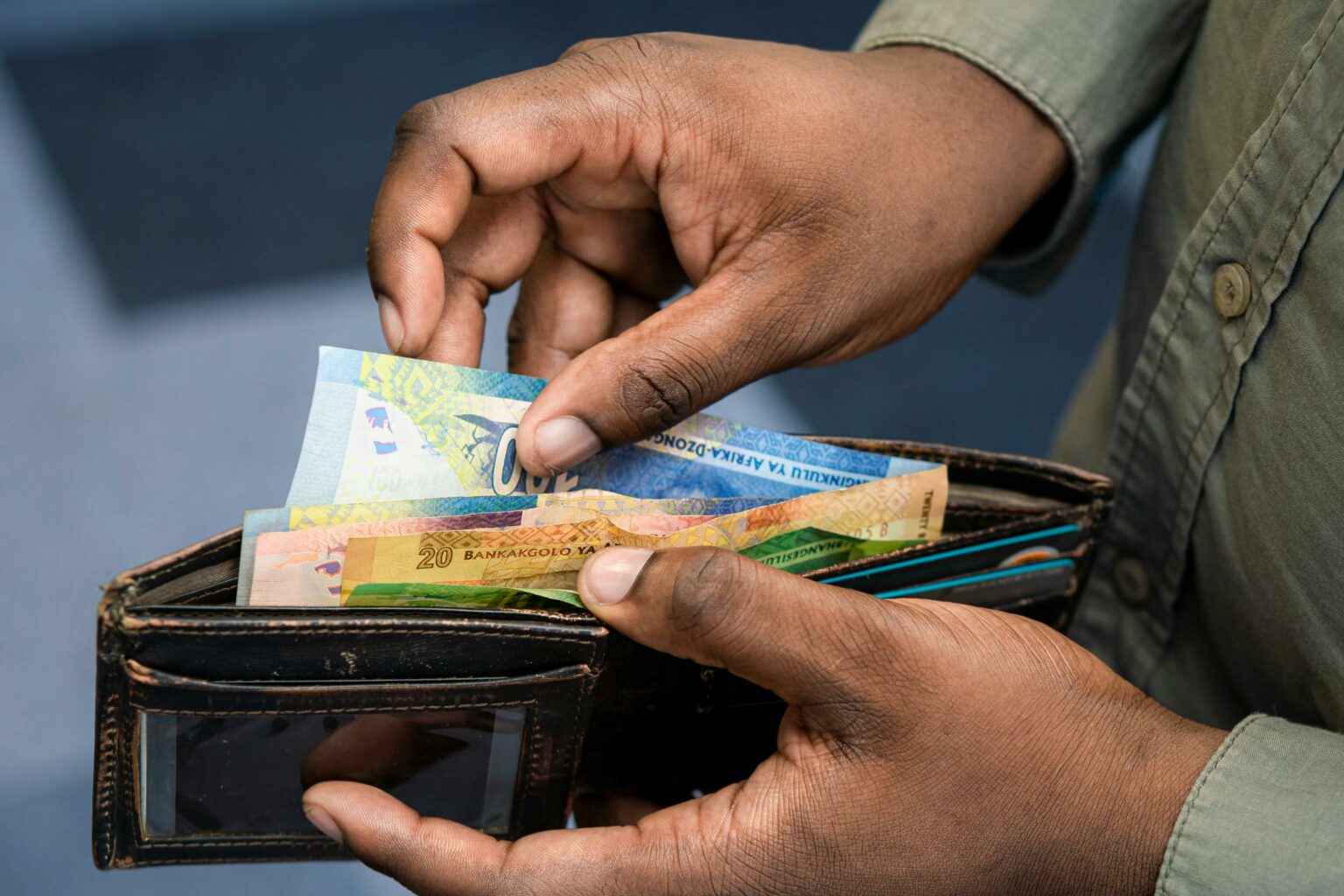
With the current state of the economy and low salaries, microloans have emerged as a significant financial tool for many South Africans facing stagnant wages and rising living costs.
With traditional salary increases becoming less frequent or insufficient, microloans offer an alternative means of supplementing household income, albeit with important considerations.
Also see: Mugg & Bean gets roasted for employees’ R1400 salary
The rise of microloans in South Africa
Microloans are small, short-term loans typically accessed through fintech platforms or informal lenders. They provide quick cash injections to cover urgent expenses, from medical bills to school fees or unexpected repairs.
For many South Africans, especially those in lower-income brackets, these loans can feel like a necessary financial lifeline in the absence of meaningful salary growth.
However, unlike a salary increase, microloans come with interest payments and repayment obligations that can accumulate quickly. While they offer immediate relief, the reliance on borrowing can lead to a cycle of debt if not managed carefully.
Also see: How to Negotiate a Better Salary as a Woman Without Feeling Awkward
Why microloans are gaining popularity
- Accessibility: Easy application processes with minimal paperwork attract many who are underserved by traditional banks.
- Speed: Quick approval and disbursement make these loans appealing for emergency needs.
- Flexibility: Small loan amounts tailored to individual needs can help bridge financial gaps.
Challenges and considerations
Despite their benefits, microloans are not a sustainable substitute for salary increases. High interest rates and fees can exacerbate financial stress, especially for those already struggling. The temptation to use loans as a regular income supplement risks long-term financial instability.
While microloans may temporarily ease financial pressures for some South Africans, they are not a replacement for genuine salary growth. They highlight the pressing need for economic reforms that improve wages and employment conditions.
Ultimately, a balanced approach that includes financial literacy, responsible lending, and better income prospects is essential for true financial well-being.
Also see: The elephant in the room: When to talk about salary in an interview
Featured image: Pexels
Be the first to know – Join our WhatsApp channel for content worth tapping into. Click here to join!