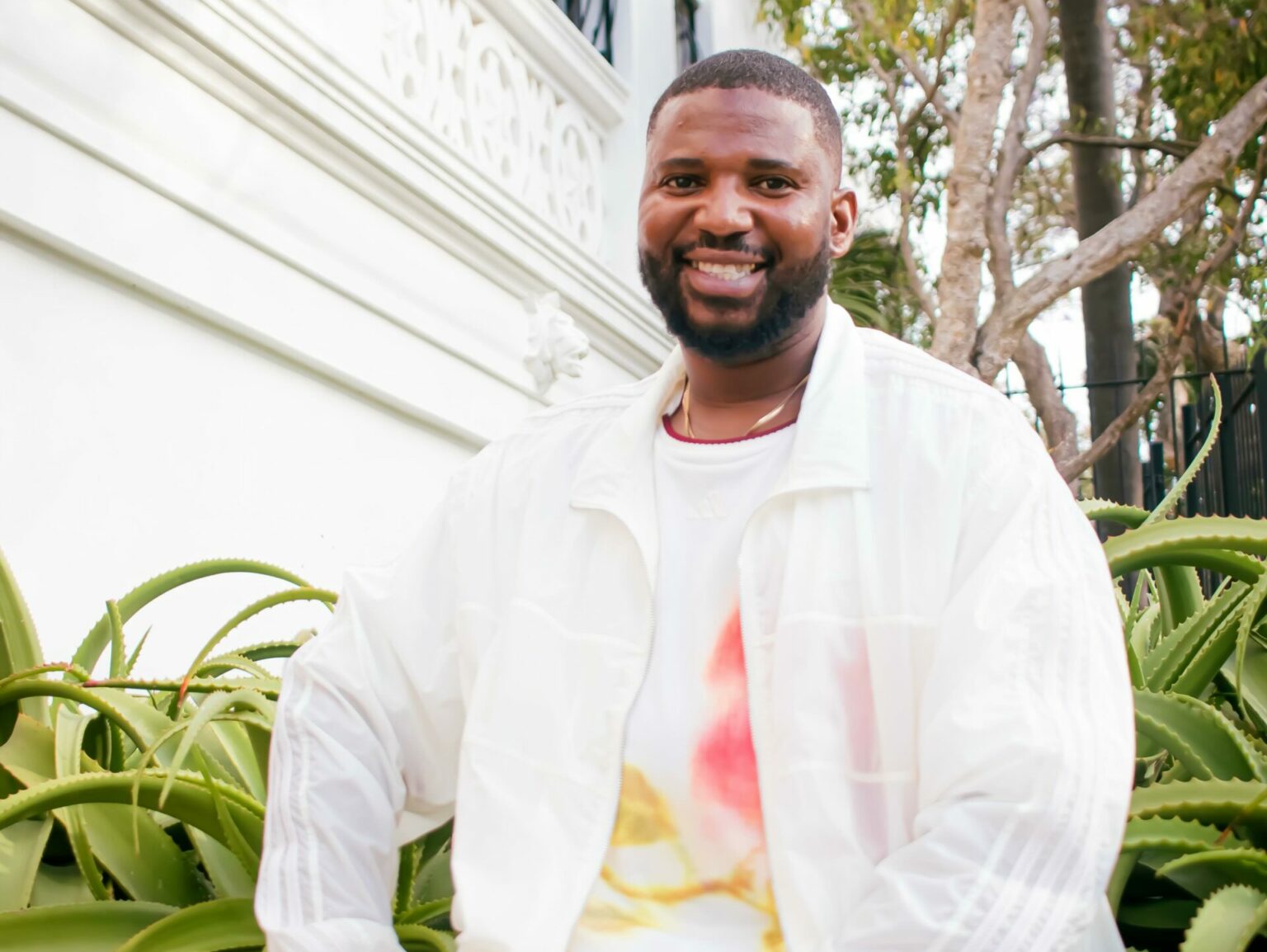

Friendship in your 30s can look very different from the friendships of your 20s. As responsibilities increase and priorities shift, many people find it harder to stay connected with friends — even when the relationships still matter deeply.
Also see: How to end a friendship without being the villain
Between careers, relationships, parenting, financial pressures and personal growth, time becomes limited. Social plans that once felt spontaneous now require coordination, energy and careful scheduling.
1. Busier Schedules
In your 30s, work demands often increase. Many people are building careers, managing teams, or running businesses. Add family responsibilities, and free time becomes scarce. Maintaining friendships requires intentional planning rather than casual meet-ups.
2. Changing Priorities
As life evolves, priorities shift. Some friends may focus on marriage or children, while others prioritise travel, personal growth or career advancement. These different life paths can unintentionally create distance.
3. Energy Levels
Socialising takes emotional and physical energy. After a long work week, many people prefer rest over going out. This doesn’t mean friendships aren’t valued — it simply reflects changing capacity.
Also see: Mastering adult friendships: The art of compartmentalisation
4. Geographic Distance
People often move for work or relationships. Relocation can make regular in-person connection harder, turning friendships into long-distance relationships that require extra effort.
5. Less Spontaneity
Unlike earlier years, friendships in your 30s tend to be more structured. Quick coffee dates replace late-night outings. While less frequent, these moments can still be meaningful.
How to Maintain Friendships in Your 30s
Be intentional. Schedule catch-ups in advance.
Communicate openly. Let friends know when life gets busy.
Use technology wisely. Group chats and video calls help maintain connection.
Focus on quality over quantity. A few close friendships can be more fulfilling than many casual ones.
Show up consistently. Even small gestures — a message, voice note, or check-in — matter.
Friendships may require more effort in your 30s, but that doesn’t mean they are less important. In many cases, relationships become deeper, more honest and more supportive during this stage of life. With intention and mutual effort, friendships can not only survive the transition into your 30s — they can thrive.
Also see: Navigating adult friendship break-ups
Be the first to know – Join our WhatsApp channel for content worth tapping into. Click here to join!