South Africa remains one of the world’s most sought-after travel destinations, offering everything from vibrant cities to unforgettable safari experiences. But for travellers heading to certain regions, awareness around Malaria is essential.
Also see: World Malaria Day: Simple ways to teach children about the disease
While the disease is preventable and manageable, understanding where the risks lie — and how to protect yourself — can make all the difference between a dream holiday and a health scare.
Where malaria is found in South Africa
Malaria is not widespread across the entire country. Risk areas do exist in the northeastern parts of the country. Travellers visiting Kruger National Park and surrounding regions in Limpopo, Mpumalanga and northern KwaZulu-Natal should take precautions.
These areas are popular for safari tourism, which makes malaria awareness especially important for international and local visitors alike.
When the risk is the highest
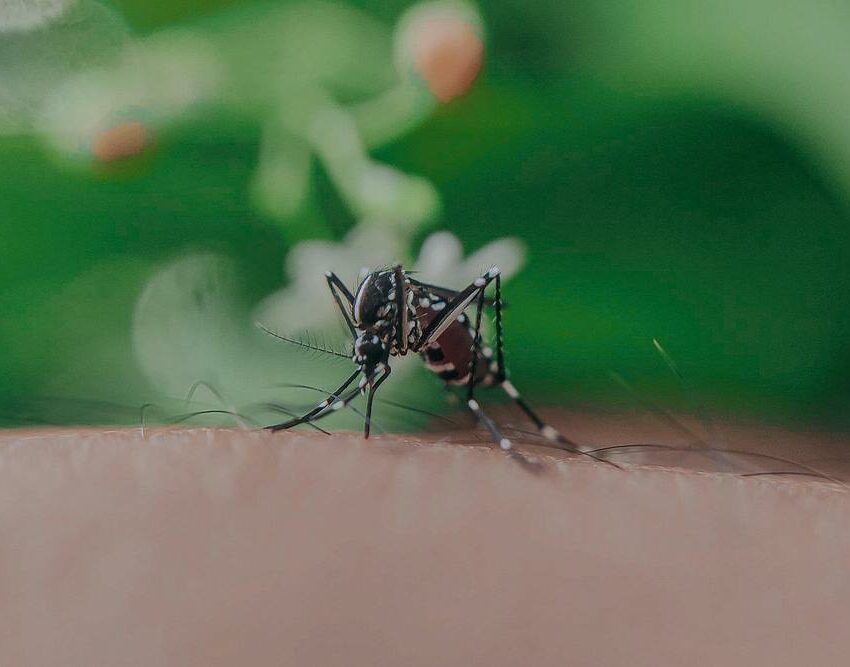
Malaria transmission tends to peak during South Africa’s warmer, wetter months — typically between October and May. During this time, mosquito activity increases, raising the likelihood of infection in affected areas.
That said, malaria can still occur outside of peak season, meaning precautions should never be completely ignored.
Prevention: What you should do
The good news is that malaria is largely preventable. Before travelling to a risk area, it’s advisable to consult a healthcare professional about preventative medication such as Malarone or Doxycycline.
In addition, simple protective measures go a long way:
- Use insect repellent, especially in the evenings
- Wear long-sleeved clothing and trousers after sunset
- Stay in accommodation with mosquito screens or air conditioning
- Sleep under mosquito nets where necessary
Also see: Ntsiki Mazwai opens up about Malaria scare
Recognising the symptoms
Malaria symptoms can initially resemble flu, which makes early detection crucial. You should watch for:
- Fever and chills
- Headaches
- Muscle pain and fatigue
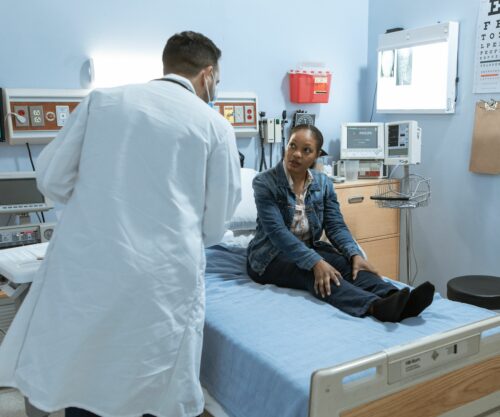
If symptoms appear during or after visiting a malaria-risk area, immediate medical attention is critical. Early diagnosis and treatment are highly effective.
Don’t let malaria deter your travel plans
Despite the risks, millions of travellers safely visit malaria-prone regions like Kruger National Park every year. With proper preparation and awareness, the disease is entirely manageable and should not discourage exploration.
South Africa’s diverse landscapes, rich culture and world-renowned wildlife experiences remain unmatched — and with the right precautions, travellers can enjoy them with confidence.
Bottom line: Malaria is a serious but preventable risk. Stay informed, take precautions, and focus on what matters most.
Also see: All there is to know about malaria
Be the first to know – Join our WhatsApp channel for content worth tapping into. Click here to join!