As South Africa observes International Mother Language Day on 21 February 2026, local content creators on TikTok are driving a cultural movement in digital spaces by celebrating mother tongues and preserving linguistic heritage through engaging, accessible content.
TikTok creators are transforming the way indigenous languages are shared, learned, and celebrated from language lessons and storytelling, to food heritage and humour, proving that culture and identity can flourish on entertainment platforms. Beyond entertainment, TikTok has become a platform for educational content which is known as #Edutainment content.
Also see: Rachel John surprises South Africans with Afrikaans and IsiXhosa TikTok
Combining education and entertainment has become a global content trend. Here are examples of creators driving #Edutainment and cultural movements on the platform:
Digital language learning through everyday content
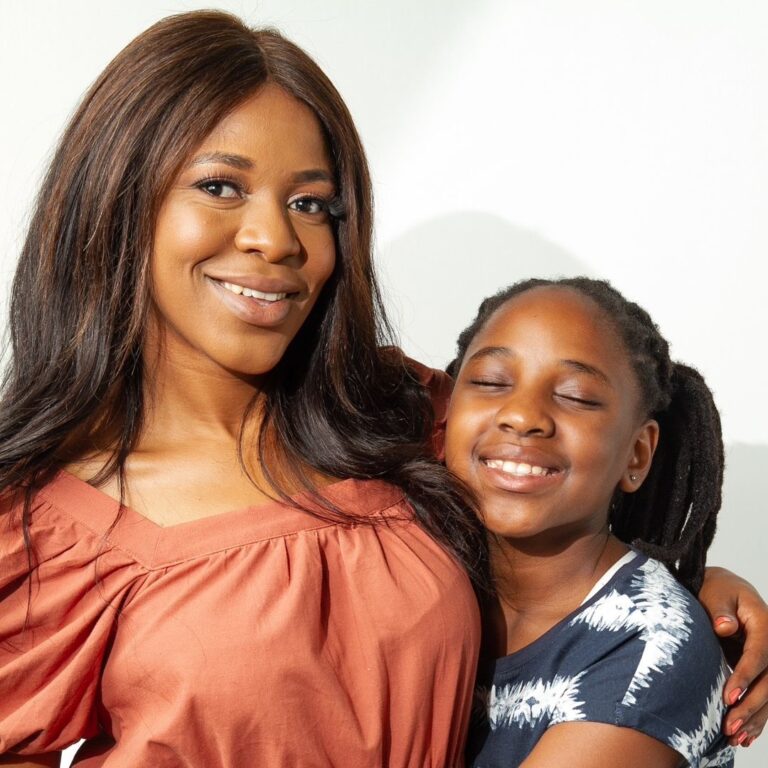
Durban‑based content creator Lungile Zenda has built a significant TikTok presence by documenting language lessons with her daughter. Her videos, which have amassed millions of views, focus on everyday isiZulu learning moments that resonate widely because they reflect real linguistic challenges many families face in an English‑dominant schooling environment. Her channel has sparked broad engagement around cultural preservation and mother‑tongue proficiency.
Also see: South African vs UK Snacks: Viral TikTok Taste Test Sparks Debate
Comedy, identity and a mixture of languages

Content creators such as Tshepo Ngobese use vernacular language and mixed linguistic styles in their sketches, reflecting how South Africans communicate organically, mixing isiZulu, slang and street culture in ways that resonate authentically with a wide audience. This blending underscores how language evolves naturally through everyday use rather than formal instruction.
Comedian and creator Atlegang Songo, known as @papi.nicetingz on TikTok, has gained widespread recognition for his storytelling and comedic skits that reflect lived experience and cultural nuance of Soshanguve known as “Sosha” to locals. With an ever-expanding community, his content has translated into mainstream opportunities, including acting roles on television, illustrating how digital storytelling can bridge online creativity with broader entertainment industries.

Why #Edutainment on the platform works
TikTok’s mix of short and long, visually engaging videos combined with sound and trending content, turns language learning into intuitive, entertaining #Edutainment that feels natural, fun and relatable rather than formal or distant. Challenges, duets, games and repetition help viewers pick up new vocabulary and phrases through context, shared cultural references, and humour.
The result is a vibrant ecosystem where linguistic heritage is not only preserved, but also reimagined to fit contemporary cultural expression.
Also see: San woman on a mission to save indigenous language