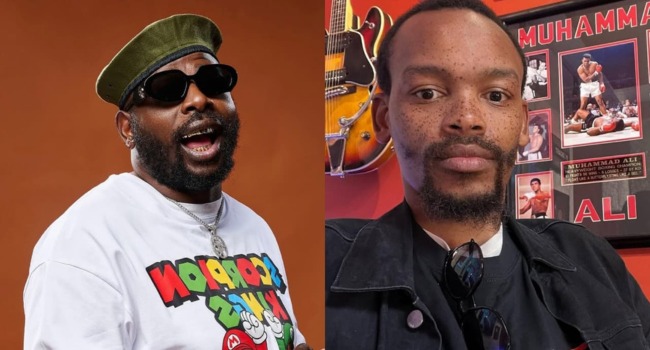
In a lively turn on South African music feeds this week, acclaimed producer DJ Maphorisa has taken to social media to raise a long-simmering issue about unpaid royalties from one of the country’s most iconic songs. His bold message to industry figure Nota Baloyi has sparked fresh debate about transparency and compensation within the local music business.
A decade of success and quiet frustration
“Ngud’” went down in history as one of the songs that helped define modern South African hip-hop when it was released back in 2016. Collaborating with Kwesta and Cassper Nyovest, producer DJ Maphorisa helped craft a beat that soared to the top of national charts and became a fixture on playlists across the country. Yet for the man behind the production, the financial returns have not matched the record’s cultural impact. “I’ve been waiting 10 years,” he wrote in response to a celebratory post about the song’s anniversary by music executive Nota Baloyi, asking directly about the royalties he says remain unpaid. This candid call drew attention from local fans and fellow artists alike, many commenting on the complexities of song rights and publishing.
Don’t drop the ball champ… Eye on the prize. Keep the main thing the main, who wants you to win more than me? Nobody, not by a long shot. I put you on game, never forget that!@DjMaphorisa pic.twitter.com/w451oaja5j
— MORAL Authority (@lavidaNOTA) January 19, 2026
The heart of the argument
Baloyi’s original post was meant to mark ten years since “Ngud’” first dropped, a nostalgic nod many in South African hip-hop embraced. But when Maphorisa highlighted the missing royalties, it shifted the conversation into murky industry waters. Baloyi fired back, pointing to issues around sampling rights and publishing. He explained that a key element in “Ngud’” is a sample from an older international track, which he says resulted in most publishing rights going to the original rights holders. That arrangement, according to Baloyi, left little available to be paid out locally, whether to producers or performers.
This type of dispute resonates with many artists and producers who have shared stories online about how sampling and clearance deals can unintentionally limit back-end income, even for songs that achieve massive success.
Start to do things be a doer more then a talker, make money bro
U failed way too much u had a record label u flopped u dnt have relationship anymore with people/artist that means no net worth
U had a deal with orchards u failed why should i take your advice
U crossed the… https://t.co/XyJv2GE3Bx
— MadMoney (@DjMaphorisa) January 19, 2026
Public reaction and cultural weight
On platforms like X and Instagram, reactions were swift. Some fans sided with Maphorisa, asking why creators should wait years for what they believe is rightfully theirs. Others noted that understanding the legal side of music rights is crucial for anyone working at the top level of the industry. The debate also highlighted broader questions about how South African creators are supported and compensated when their work becomes globally recognised, yet financially complex.
Amid all this noise, “Ngud’” remains a beloved track that many still hear at clubs and on the radio in cities like Johannesburg and Cape Town. But the conversation unfolding around its financial legacy has shed light on just how complicated success can be when the credits on paper don’t fully reflect the work behind the music.
Source: Briefly News
Featured Image: SA Hip Hop Mag