
Shin splints can be debilitating for new runners, or derailing for anyone wanting to up their fitness. Here’s how to prevent them, treat them effectively if you suffer from them, and how to not let them keep you from reaching your January fitness goals.
It’s January and you’re likely working on your resolutions or action plan for this year. Especially where fitness is concerned. New routines, new running shoes and goals often lead many back onto the pavement. But for many joggers – especially beginners – shin splints can be quite demotivating.
Shin splints, also known as medial tibial stress syndrome, refer to the pain in the inner edge of the shinbone. It can either be a dull ache or a sharp pain that worsens after a run.
What causes shin splints in runners?
Although the pain feels bone-related, it’s actually when the muscles, tendons and tissue around the shin are overused. This usually happens when you increase the intensity too quickly, run on uneven or hard surfaces, or wear shoes that don’t have proper support. Runners with high arches or flat feet are also more prone because their feet absorb impact differently.
If you’ve started running in January, you may be at risk if you haven’t yet conditioned your body for frequent, sudden workout, especially after a sedentary period.
Signs to watch out for
A classic sign is if you experience pain at the start of a run, it subsides as you warm up, only to return afterwards. More red flags are soreness when pressing along the shinbone, slight swelling and tenderness. It’s crucial that these signs aren’t ignored, otherwise they can lead to stress fractures, which require treatment.
How to prevent shin splints
It’s best to pace yourself. Only gradually increase distance and intensity. Use the 10 per cent rule: never increase mileage by more than 10 per cent per week. Also invest in proper running shoes and replace them regularly.
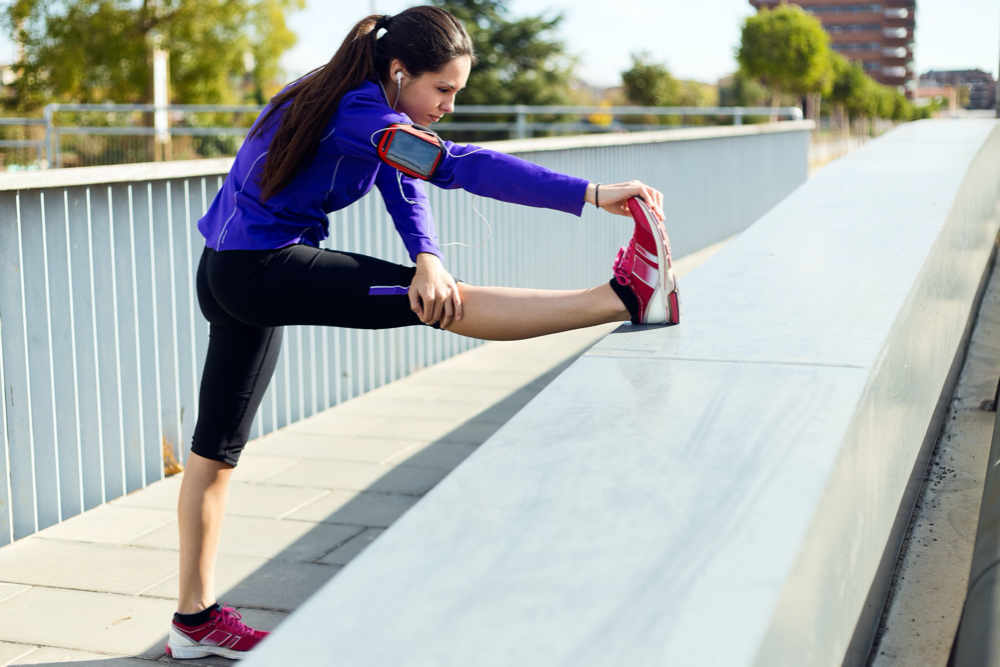
Make sure to also add strength training to your fitness routine. Incorporate exercises that target the calves, ankles and hips, as they help absorb the impact more efficiently. Remember to stretch the calves and Achilles tendon after a jog or run to reduce tension on the shins.
How to treat it
If shin splints strike, it’s essential to rest. Take a pause and rather switch to low-impact activities like cycling. Ice the area for 15 to 20 minutes after exercise to reduce inflammation. Let the pain be a guide – stretch gently or do foam rolling, but never push through the pain.
Most importantly, listen to your body and know its limits. Small consistent changes matter more than intense workouts. Choose a slow and steady approach to reaching your fitness goals.
Compiled by Shaneen Noble
First published on Woman and Home
Also see: A guide to start running at any age