UK Bans Junk Food Ads to Protect Children, Could South Africa Follow Suit?
At 7pm in living rooms across the UK, a quiet revolution has begun. For decades, children have been lured by flashing screens, cartoon mascots, and sugary promises just as homework is half-finished and dinner simmers. But as of Monday, January 5, 2026, the UK has pressed pause on that familiar soundtrack.
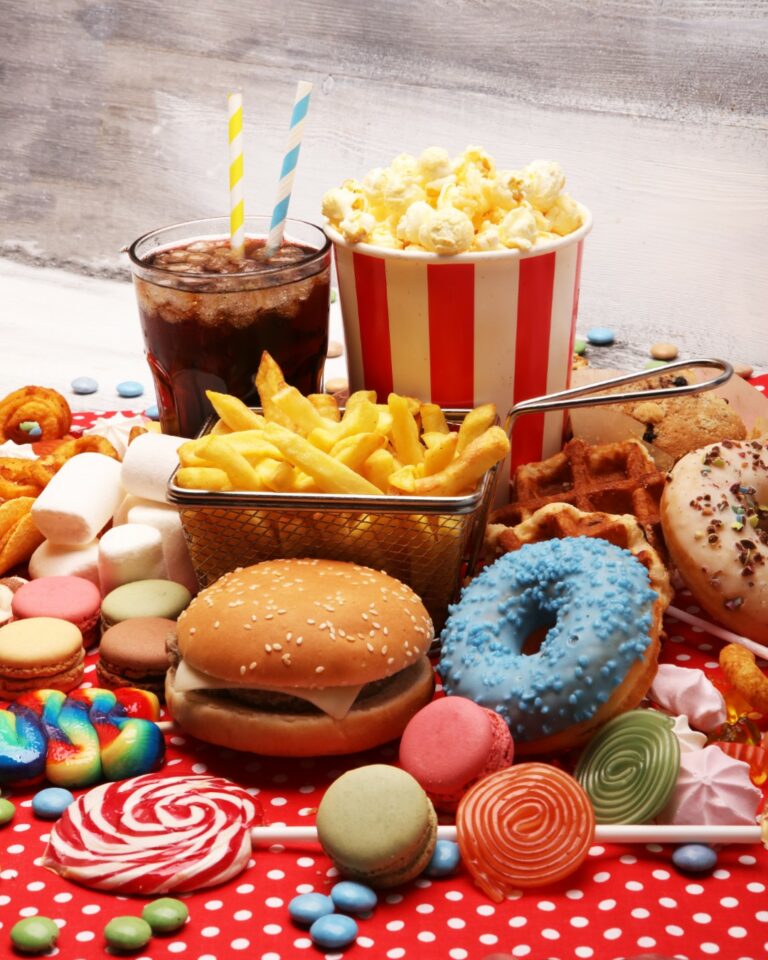
The government has banned television advertising of foods high in fat, salt, and sugar (HFSS) before 9pm and prohibited such advertising online entirely, a decisive strike against childhood obesity. Soft drinks, chocolates, ice creams, and pizzas are all affected.
Why Childhood Nutrition Matters
Childhood nutrition goes far beyond calories. It shapes brain development, immunity, emotional regulation, dental health, and lifelong eating patterns. Yet statistics reveal a stark reality: nearly one in ten reception-aged children in England (9.2%) lives with obesity, and one in five has tooth decay by age five. Obesity-related illnesses cost the NHS over £11 billion annually, straining public health and shortening lives.
Research shows that advertising works—especially on young minds. The World Health Organization has confirmed that exposure to HFSS ads increases children’s cravings, purchases, and consumption of unhealthy foods, independent of hunger. Children absorb aspiration before information, making them uniquely vulnerable.
“This ban is long overdue,” says Professor Katherine Brown, a behaviour-change expert at the University of Hertfordshire. “Children are highly susceptible to aggressive marketing, which raises their lifetime risk of obesity and chronic disease.”
What the Ban Actually Does
The new rules are product-specific, not brand-specific. Companies can show logos, colours, and mascots—but cannot promote unhealthy products themselves. The UK uses a nutrient profiling system to identify HFSS foods, weighing sugar, salt, and saturated fat against beneficial nutrients.
The Food and Drink Federation (FDF), representing manufacturers, claims many members already comply voluntarily and have reformulated products: less salt, less sugar, fewer calories.
While some critics argue that the ban limits choice, public health experts highlight the broader benefits: reducing exposure to unhealthy food messaging can curb obesity before it starts.
More Than Physical Health
Obesity in children isn’t just about weight. It carries physical and psychological costs: type 2 diabetes, hypertension, joint problems, and early cardiovascular disease. Emotional consequences—bullying, social exclusion, low self-esteem, anxiety, and depression, often persist into adulthood.
Food marketing doesn’t just sell snacks; it sells belonging, happiness, and comfort. For children, this can blur emotional and physical hunger, leading to emotional eating patterns that endure into teenage and adult years.
The UK ban aims to interrupt this cycle at its source, protecting children from aggressive marketing that can shape habits for life.
The Ripple Effect on Health Systems
Childhood obesity rarely ends in childhood. Obese children are more likely to become obese adults, increasing long-term strain on healthcare systems. Indirect costs, missed school, reduced academic performance, chronic illness, mental health services, compound the issue.
UK estimates suggest the ad ban could prevent around 20,000 cases of childhood obesity, reducing hospital admissions, prescriptions, and long-term complications.
Could South Africa Follow?
South Africa faces a parallel crisis: rising childhood obesity alongside persistent food insecurity, fueled by cheap ultra-processed foods and aggressive marketing. Other countries offer lessons:
-
Norway: Restricted advertising of unhealthy foods to under-18s (2023, 2025).
-
Portugal: Banned HFSS food ads around children’s programming (2019).
-
Chile: Comprehensive 2016 law banning “high-in” product ads for under-14s.
-
Belgium: Voluntary ban by companies for children under 16, starting 2026.
A simple advert may seem small, but its absence matters. Every unplanted craving, every habit unreinforced, can shift the trajectory of a child’s health. For South Africa, the question isn’t just if we can implement a ban, but if we can commit to protecting the next generation from preventable diet-related illness.
Source: IOL
Featured Image: X{@SAFECIC}