Stroke at 26: Why a South African Creator’s Brazil Health Scare Is a Wake-Up Call
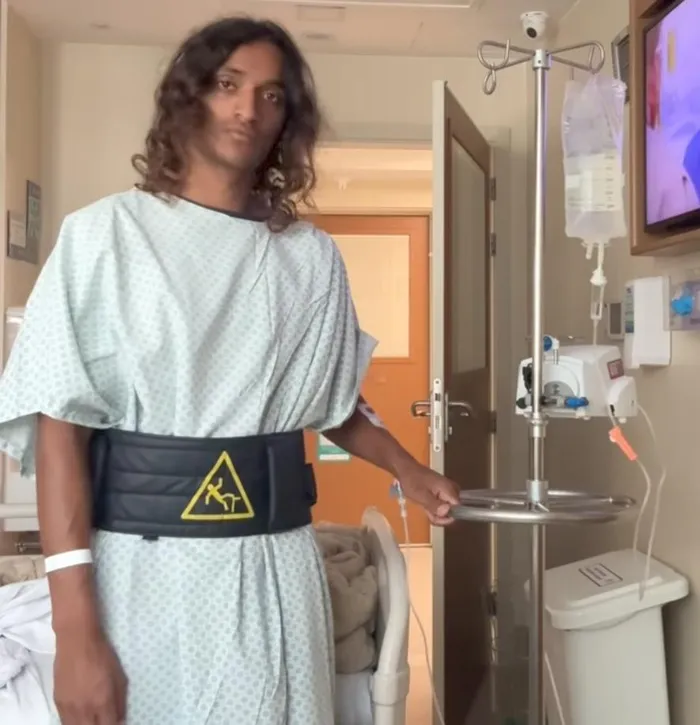
At 26, most people are chasing dreams, not hospitals. But for South African model and content creator @jaden_makes_hats, a New Year trip to Brazil became a frightening reminder: strokes don’t care about age.
View this post on Instagram
From Paradise to Panic
Just three days after New Year’s, Jaden awoke unable to speak—a classic stroke warning sign. Initially misdiagnosed twice, first as dehydration and then as sleep deprivation, it wasn’t until a third doctor acted that he received proper treatment.
“I am a fit and healthy person, but I was still diagnosed with a stroke,” he shared on Instagram, capturing the disbelief that many young adults feel when confronted with a condition often associated with older age.
His story resonates widely online, with followers expressing shock, concern, and gratitude for his candidness. Many tagged friends and family, urging them to learn the FAST signs: Face drooping, Arm weakness, Speech difficulty, and Time to call for help.
Strokes Aren’t Just for the Over-50s
While strokes are traditionally linked to older adults, younger populations are increasingly affected. Globally, around 10-15% of strokes occur in people under 45. In South Africa, the incidence among adults under 55 is roughly 20 to 35 per 100,000 per year, a concerning figure given the country’s youthful demographics.
Medical experts point to modifiable risk factors fueling this rise:
-
High blood pressure
-
Obesity
-
Smoking
-
Diabetes
-
Stress and substance use
Other contributors include infections like HIV and genetic conditions that increase blood clotting. These factors accelerate early plaque build-up in blood vessels, raising the risk of ischaemic strokes (blockages) and haemorrhagic strokes (ruptured vessels).
A Wake-Up Call for Young Adults
Jaden’s scare underscores a vital truth: age is not immunity. Even active, seemingly healthy individuals can experience strokes.
Regular health checks, lifestyle management, and quick recognition of symptoms are crucial. Knowing the FAST warning signs could be the difference between full recovery and long-term disability—or worse.
“Your health is your wealth,” Jaden reminded his followers, emphasizing the importance of proactive care.
Lessons for Travel and Wellness
Traveling can complicate medical emergencies, especially abroad. Jaden’s experience also highlights the importance of:
-
Travel insurance and access to quality care
-
Being aware of personal risk factors
-
Prompt action when symptoms appear, even if others dismiss them
In a country with a growing young population facing rising rates of lifestyle-related illnesses, his story is a sobering reminder: stroke can strike anyone, anytime.
South Africans, especially young adults, are urged to stay vigilant, monitor their health, and seek help at the first sign of warning. Jaden’s Brazil experience isn’t just a story, it’s a wake-up call for an entire generation.
Source: IOL
Featured Image: IOL