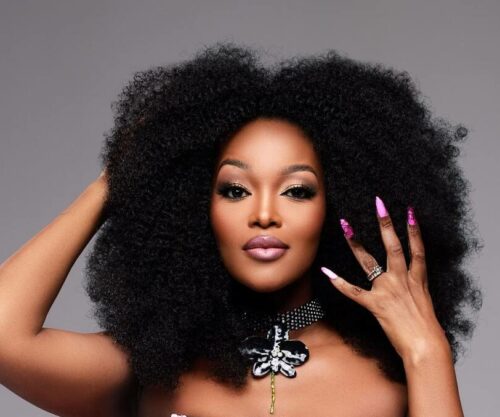

When money is tight, and trust is even tighter, South Africans have little patience for anything that smells like a scam. That frustration boiled over online this week after actress and producer Connie Ferguson was labelled the so-called face of pyramid schemes, just as new investment scams began circulating across social media.
The backlash did not come from a court ruling or an official investigation. It came from ordinary people online, many of whom say they are tired of seeing familiar faces linked to financial promises that end badly.
Why Connie Ferguson’s name came up again
Ferguson’s name resurfaced as warnings about new investment schemes started trending. Online users pointed fingers at celebrities who previously promoted or were associated with platforms that later collapsed or were accused of being scams.
In the public conversation, Ferguson became a symbol rather than a confirmed culprit. Social media users shared old clips and posts, arguing that famous endorsements make questionable schemes look legitimate to everyday people who are desperate to grow their money.
The mood online right now
The reaction has been loud and emotional. Some users accused celebrities of being reckless with their influence, especially in a country where unemployment and debt push people to take financial risks. Others defended Ferguson, pointing out that being associated with a platform in the past does not automatically mean criminal intent or knowledge of wrongdoing.
What is clear is that patience is running thin. Many South Africans say they no longer trust flashy investment promises, particularly when they are backed by famous faces.
Connie Ferguson becoming the face of pyramid schemes is honestly wrapping me up, man 😭😭😭😭😭
— The Godmother (@GodmotherThe) January 7, 2026
😭😭😭😭🕊️ https://t.co/NBCTVn7vib pic.twitter.com/XinBb4OfPS
— Kg🫧🍒 (@kgadi_mn) January 7, 2026
A bigger issue than one celebrity
This moment is less about Connie Ferguson alone and more about a growing crisis of trust. Pyramid schemes and fake investments continue to evolve, using social media, influencers, and celebrity culture to appear credible. Regulators issue warnings, but scams often move faster than public awareness.
In this environment, celebrities are being held to a higher standard, fairly or not. People want accountability, transparency, and a clear distance from anything that could put fans at financial risk.
Wouldn’t be the first time. Remember when scammers would video call abantu as Ous Connie? She even had to make a video about it to clear the rumours. https://t.co/Zc91sFl53F pic.twitter.com/iMv5oammX4
— Zama Khumalo 🇨🇩🇿🇦 (@Ms_ViVaCi0us) January 7, 2026
You just reminded me one time they sent me a DM there by tik tok🤦 pic.twitter.com/qWFGwLJbfB
— Bandile Nomlala (@BandileMbhele4) January 7, 2026
Where this leaves the conversation
There is no official finding naming Ferguson as part of any illegal scheme. What exists is public anger, fear, and a demand for responsibility in a space where money and influence collide. As more scams surface, South Africans are asking harder questions about who they trust and why.
For now, Connie Ferguson’s name sits at the centre of a broader warning. Fame can build trust quickly, but once that trust cracks, the fallout spreads even faster.
Source: Briefly News
Featured Image: Mgosi