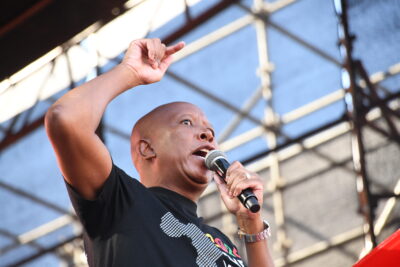
South Africans are never shy to share their opinions, especially when a public figure steps into the spotlight with something deeply personal. This week, TV presenter Aldrin Sampear found himself trending after a loved-up video featuring his boyfriend began circulating online.
The clip itself was simple. No grand statements. No dramatic reveal. Just a moment of affection shared between two people. But the response it triggered said far more about the country watching than the couple on screen.
A video that split the timeline
Once the video made its way onto social media, reactions poured in almost instantly. Some viewers applauded Sampear for living openly and confidently, calling the moment refreshing and necessary. Others were far less comfortable. One widely shared comment summed up that discomfort bluntly by saying the video would “always look weird.”
That phrase quickly became a lightning rod. Screenshots spread, debates followed, and timelines filled with arguments about respect, representation, and why public affection between two men still unsettles some South Africans.
Why the reaction matters
South Africa has one of the most progressive constitutions in the world when it comes to LGBTQ+ rights. Yet moments like this reveal the gap between law and lived reality. For many queer South Africans, public reactions to Sampear’s video felt familiar. Support mixed with judgement. Celebration existing alongside thinly veiled discomfort.
Sampear himself has never positioned his private life as a publicity tool. That is partly why the reaction hit so hard. This was not a media stunt. It was a glimpse into a normal relationship that challenged long-held expectations of what public figures should look like.
Social media speaks and argues
Online responses quickly divided into two camps. Supporters flooded comment sections with messages of love, calling out homophobia and praising Sampear for simply existing openly. Critics, meanwhile, insisted they were entitled to their opinions, framing discomfort as honesty rather than prejudice.
What stood out was how many people admitted they were still adjusting. Not necessarily angry, just unsettled. That honesty sparked deeper conversations about exposure, upbringing, and how representation slowly reshapes what feels normal.
Aldrin Sampear and his boyfriend, Kholofelo. pic.twitter.com/xduoJ4ydFn
— Lavish Living (@busiwe_bubu) December 18, 2025
A bigger cultural moment
This moment is about more than one video. It reflects a society still negotiating visibility. For younger South Africans, especially those growing up online, same-sex couples are increasingly visible. For others, these images still clash with deeply ingrained ideas of masculinity and public behaviour.
Sampear did not argue, defend, or explain. And perhaps that silence was the most powerful part. The video existed. People reacted. The conversation unfolded on its own.
Where the dust settles
In the end, the loudest takeaway was not the criticism but the volume of support. Each viral moment like this pushes the needle slightly, reminding the country that queer love is not a statement. It is simply part of everyday life.
Whether viewers felt inspired, uncomfortable, or conflicted, the response to Aldrin Sampear’s video showed that South Africa is still talking, still learning, and still very much in transition.
Source: Briefly News
Featured Image: KAYA 959