From City Hall to Cassper Nyovest
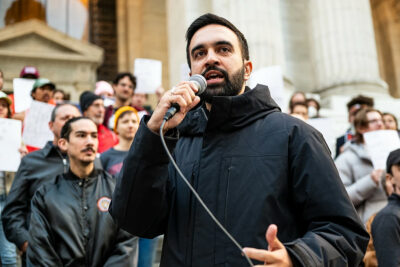
When New York mayor-elect Zohran Mamdani sat down for an extended episode of What Now? with Trevor Noah, the conversation was meant to tackle big issues, politics, migration and identity. But just when listeners thought the discussion was winding down, Mamdani took a sharp and joyful detour straight to Mzansi.
Almost as an afterthought, he admitted there was one topic they hadn’t touched on at all: South Africa.
And once he started, he didn’t hold back.
@southafricanpodcast Turns out the new mayor of New York zohran Mandani grew up in South Africa 🤯 #southafrica #mayor #trendingsouthafrica #southafricanpodcast #trevornoah ♬ original sound – South African podcast
“Boss Zonke Still Hits”
Mamdani spoke with the ease of someone who didn’t just skim a playlist once but has lived with the music.
He mentioned Cape Town by name, then casually dropped a roll call that immediately caught South African ears: Cassper Nyovest, Kwesta and the late Ricky Rick. When he referenced Boss Zonke, his tribute came with a heartfelt pause a quiet “rest in peace” that landed heavily for local fans still mourning the rapper’s passing.
It wasn’t performative. It sounded personal.
He even joked about spending far too much time listening to South African mixes on YouTube, name-checking Slyza Tsotsi and wondering aloud how Major League DJs hadn’t yet conquered Spotify the way they’ve dominated dance floors.
For South Africans used to seeing their culture overlooked on global stages, it was a refreshing moment of recognition.
A Childhood Rooted in Cape Town
Mamdani’s connection to South Africa isn’t random nostalgia. It’s lived experience.
Born in Kampala, Uganda, he spent part of his early childhood in Cape Town after his father, renowned academic Mahmood Mamdani, took up a professorship at the University of Cape Town. Those formative years, from around age five left a mark before his family relocated to New York when he was seven.
That early exposure explains why his references didn’t sound like someone Googling “top SA artists” before a podcast appearance. This was memory talking.
Trevor Noah Finds the Common Thread
Trevor Noah, never one to miss a moment of shared history, quickly pointed out how much they had in common, both born in Africa, both shaped by movement across borders.
Noah, who grew up in Johannesburg, teased their Ugandan connection with his trademark humour, joking about how many Ugandans are in his life before quickly clarifying his affection. The exchange felt less like an interview and more like two people recognising familiar rhythms in each other’s stories.
Actor Eugene Khoza, co-hosting the episode, agreed that Mamdani would need to return, this time to properly unpack his background, influences and cultural tastes.
Social Media Reacts: “He Gets It”
Clips from the podcast quickly circulated online, especially among South African users who were pleasantly surprised to hear their music referenced so casually in a New York political context.
Comments praised Mamdani for “knowing the deep cuts” and not just the obvious global exports. Others joked that he’d earned honorary Mzansi citizenship for shouting out Ricky Rick with genuine respect.
In a world where politicians often feel distant and scripted, the moment humanised him.
Why This Moment Matters
At face value, it was just a podcast tangent. But culturally, it meant more.
South African music, from hip hop to amapiano, has been steadily pushing beyond local borders, often carried by DJs, YouTube channels and dance culture long before official industry recognition catches up. Hearing a mayor-elect of one of the world’s most powerful cities speak about that music with affection reinforces how far it’s travelled.
It also hints at something deeper: how migration, memory and culture continue to shape global leaders in unexpected ways.
For South Africans listening in, it was a reminder that even in New York City Hall, Mzansi still has a beat playing in the background.
Source: JoburgETC
Featured Image: X{@sapeople}