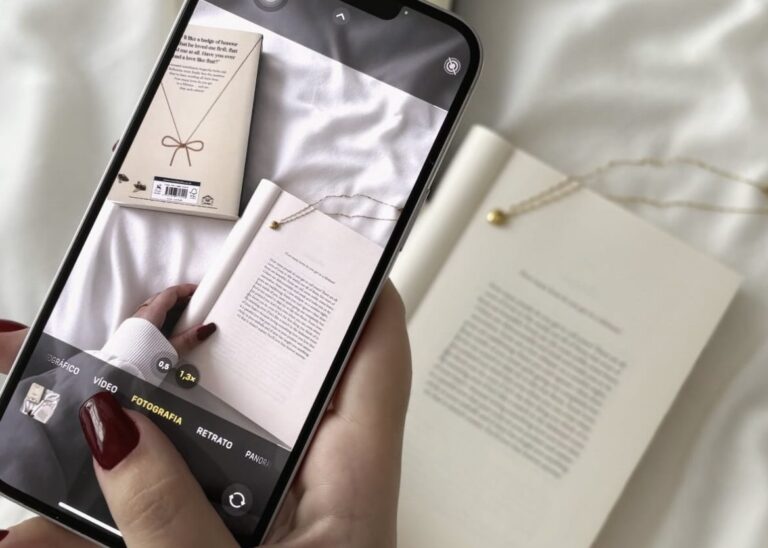
You don’t have to disappear off the grid, delete your apps, or become the friend who “never replies” to reclaim your time and mental clarity. A lite digital detox is all about creating healthier boundaries with your devices while still enjoying the convenience and connection they bring — especially if your work or lifestyle exists online.
Why a lite digital detox works
The goal isn’t to escape the digital world — it’s to stop letting it drain you. A lite detox helps you reduce anxiety and overstimulation, make room for creativity and presence, improve sleep and restore your nervous system and build a healthier relationship with productivity and rest.
It’s about balance, not restriction.
Start with micro-boundaries
You don’t need a full digital reset. Just begin with small, doable rule shifts:
- No phone for the first 15 minutes after waking up
- Keep your phone in your bag, not your hand, while running errands
- One screen at a time (no scrolling while watching TV)
- A 30-minute “no scroll” window after meals
These tiny boundaries build discipline without making you feel deprived.
Turn off non-essential notifications
Your phone shouldn’t have access to your nervous system 24/7.
Silencing shopping apps, news alerts, social media notifications and game pop-ups, removes the constant digital “pull” and gives you more agency over when you check in.
Curate your digital space
A cluttered phone leads to cluttered habits. Try:
- Moving social icons off your home screen
- Deleting apps you no longer use
- Making your wallpaper calming, not stimulating
- Muting or unfollowing accounts that trigger comparison
A calmer, simplified interface naturally encourages slower usage.
Replace scroll time with ‘still digital’ habits
You don’t need to abandon your phone — just change how you use it.
Swap:
- TikTok → Podcasts
- Instagram → Digital reading (articles, e-books)
- WhatsApp group chats → Voice notes
- Passive scrolling → Intentional saves: recipes, workouts, travel inspo
You’re still online, but in ways that nourish your mind rather than drain it.
Use tech to limit tech
Ironically, your phone can help you detox from your phone.
Set:
- App time limits
- Downtime hours
- Screen-free modes during sleep
- Focus modes for work or creative sessions
These small automations keep you accountable with zero effort.
Become a ‘slow checker’
Instead of reacting instantly, shift to a slower digital rhythm:
- Answer messages in batches
- Check your socials twice a day
- Only open emails when you’re ready to respond
This removes the pressure to be constantly available — and restores your attention span.
Build real-world “anchor moments”
Anchor your day with routines that don’t require a screen:
- Morning journaling
- A daily walk
- Reading a physical book
- Afternoon tea without your phone
- A hobby you touch: puzzles, cooking, painting, gardening
These analog rituals help reset your mind and reduce the urge to check your phone compulsively.
Downgrade evenings to ‘low stim’ mode
Evening screens overstimulate the brain, fuel anxiety, and disrupt sleep.
Try:
- Switching to warm lighting
- Watching long-form content over short-form
- 20 screen-free minutes before bed
- Listening to calming audio while you wind down
Your body will thank you the next morning.
Keep your phone out of reach
Not far — just not touchable.
Try:
- Leaving it in another room while you eat
- Keeping it in your bag during conversations
- Charging it away from your bed
It’s out of hand, out of mind… without ever being offline.
Celebrate the extra life you gain
Once you lighten your screen time, you’ll notice:
- More mental quiet
- More energy
- More creativity
- Better sleep
- More presence in your relationships
- More time to actually live
A lite digital detox doesn’t feel restrictive — it feels liberating.
You don’t need a dramatic digital cleanse to reconnect with yourself. A gentle, sustainable detox helps you stay online without losing your offline life. It’s the balance we’re all craving: still connected, still reachable, but living with more calm, intention, and clarity.
Compiled by Amy Steenkamp
First published on Woman and Home
Also see: How to declutter your phone (and clear your mind while you’re at it)