South Africa’s long-running TV licence system appears to be heading for extinction, with government and broadcaster leadership openly conceding that the current model no longer works.
Momentum is building around replacing the licence fee with a device-neutral household levy, signalling a major shift in how the public broadcaster could be funded in future.
The Department of Communications and Digital Technologies has tasked BMI TechKnowledge with designing a new, sustainable funding framework for the SABC, with a final proposal expected by 6 February 2026. This review comes as the broadcaster’s financial position weakens under the weight of widespread non-payment, as per My Broadband.
For years, TV licences were intended to be the SABC’s primary income stream, but compliance has collapsed. Avoidance levels have climbed sharply, rising from 69% in 2019 to an estimated 85% in 2025, leaving the broadcaster struggling to cover its costs. Even senior SABC leadership now accepts that the model has effectively failed.
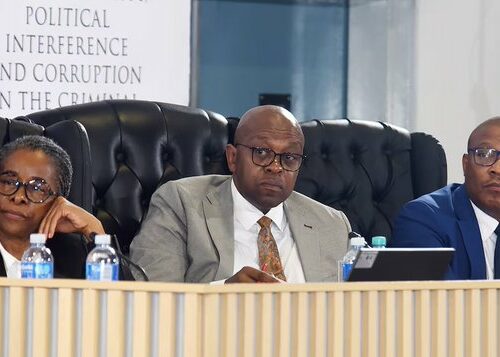
In November 2025, SABC board chair Khathutshelo Ramukumba publicly acknowledged that relying on TV licence fees is no longer viable. He pointed to the way audiences now consume content, noting that many South Africans watch programmes and media on phones, laptops and gaming consoles rather than traditional television sets.
According to Ramukumba, the leading alternative under consideration is a universal, technology-neutral public media levy that would be collected by the South African Revenue Service. This approach would remove the link between funding and television ownership, reflecting modern viewing habits.
Around a month earlier, SABC CEO Nomsa Chabeli echoed the view that the licence scheme has reached the end of its lifespan, describing it as outdated and ill-suited to the current media environment. While she agreed the system has failed, she attributed poor compliance partly to South Africa’s broader culture of non-payment for services, which extends beyond broadcasting.
Chabeli stressed that introducing a new funding model is essential if the SABC is to survive, and like Ramukumba, she supports a universal levy collected by Sars. She also suggested that direct funding from the national fiscus could be another option, which would place responsibility with National Treasury.
Ramukumba, however, has pushed back against the idea of ongoing state bailouts, warning that the broadcaster cannot rely indefinitely on government rescues. With advertising revenue declining and fewer households paying licences, he argues the focus should be on a long-term solution.
What the SABC needs, he said, is a structured and sustainable funding intervention that protects its public role while ensuring financial stability and independence, rather than a system that has clearly outlived its time.
Compiled by Aiden Daries
First published on Cape {town} etc
Also: DStv Drops Four Major Channels This December as Viewers Brace for Big Changes