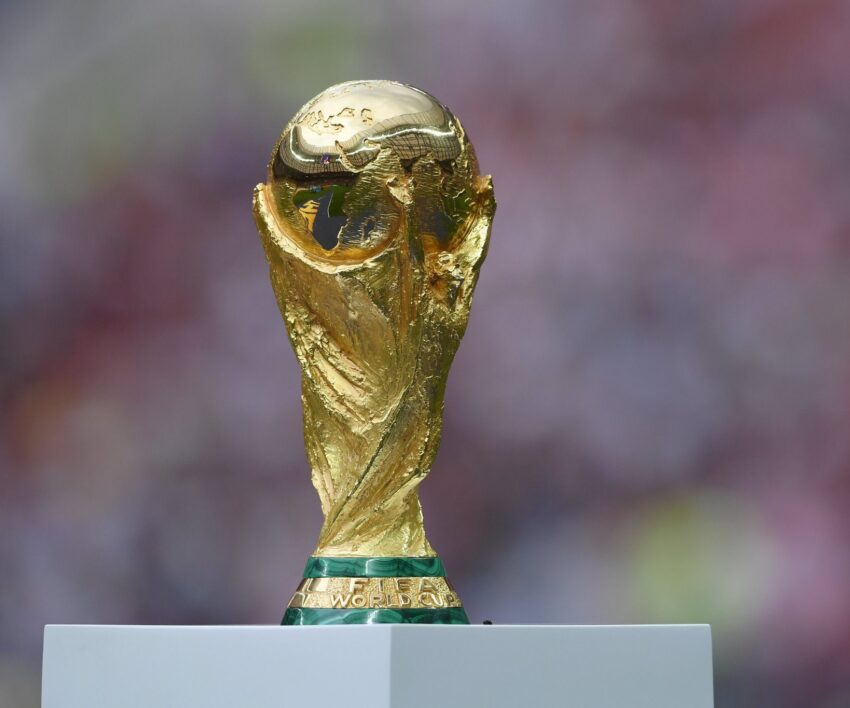
The world is counting down to Friday’s 2026 World Cup draw in Washington, but instead of a simple celebration of football, the ceremony is being shaped by diplomatic tension, political theatre and intense logistical pressure on host cities. What should be a moment of unity has become a snapshot of the uneasy relationship between global sport and global politics.
Iran’s Boycott Sparks A Diplomatic Storm
The first major shock arrived from Tehran. Iran has confirmed it will boycott the draw after the United States refused visas to several members of its delegation, including federation president Mehdi Taj. Only four delegates, including national coach Amir Ghalenoei, were approved.
Iran’s football authorities publicly accused Washington of politicising the event, urging FIFA president Gianni Infantino to intervene. For Iranian fans, the situation feels like déjà vu, another chapter in a decades long standoff between the two nations.
The timing could not be worse. Iran has already qualified for its fourth consecutive World Cup, a run that has sparked national pride. Their memories from 1998, when Iran famously defeated the United States 2-1, remain some of the most iconic moments in the nation’s football history. But now, instead of looking ahead to potential opponents, the conversation has shifted to geopolitics and grievances.
Trump’s Shadow Looms Large Over The Ceremony
US President Donald Trump’s presence at the draw is already controversial and now feels even more charged. His close ties with Infantino are well documented and insiders believe he may receive FIFA’s inaugural Peace Prize during the ceremony.
Trump has positioned the World Cup as a cornerstone of both his second presidency and America’s 250th anniversary celebrations, but critics warn that his willingness to politicise the event could place unnecessary strain on host cities and visiting supporters.
Some football fans, especially outside the United States, are approaching the tournament with caution. Concerns about immigration crackdowns, safety crackdowns and rising travel anxiety have only grown ahead of the draw.
Toronto Pushes Through Challenges As Canada Prepares To Host For The First Time
While Washington deals with diplomatic tension, Toronto is fighting its own battles. As one of Canada’s two host cities, alongside Vancouver, Toronto has faced months of negotiations with FIFA over cost, infrastructure demands and venue upgrades.
Sharon Bollenbach, executive director of FIFA World Cup 2026 Toronto, says challenges were inevitable in hosting a tournament of this magnitude. Toronto has never hosted a World Cup and the expanded 48 team format, with 104 matches, has required unprecedented flexibility from both city officials and FIFA.
One sticking point was training facilities. FIFA initially demanded three completely new pitches, but Toronto pushed back, arguing that unused infrastructure would waste public funds. Eventually, FIFA relented and agreed to one.
But financial uncertainty remains. Toronto signed on as a host city before securing funding commitments from the province of Ontario. With the tournament now just over six months away, those discussions are still unresolved.
Vancouver faces similar pressure. Renovations to BC Place and hotel capacity concerns have sparked debate among local businesses. Canadian cities have the added pressure of limited hosting experience, unlike Mexico and the United States who have staged World Cups before.
The Trump Effect On Tourism
Toronto may receive an unexpected tourism lift. Preliminary projections estimate 300 000 visitors, but analysts warn that the number could climb even higher. The reason? Many fans may feel more comfortable travelling to Canada than the United States.
Travel research firms have already noted a shift. A US tourism forecast from August projected an 8.2 percent decline in international arrivals for 2025, driven largely by negative perceptions toward the US political climate and immigration policies.
For some supporters, Canada feels like neutral ground. Toronto officials admit they are considering the possibility of an anti Trump travel bump and are preparing accordingly.
A Draw Filled With Football Drama Despite The Politics
Amid all the tension, the football itself remains rich with storylines. Argentina, Brazil, England, France, Germany and Portugal headline the top seeded nations. Cristiano Ronaldo is preparing for his sixth and final World Cup at the age of 41. Newcomers such as Cape Verde, Jordan and Curaçao are preparing for the biggest moment in their football history. And once the draw is completed, cities will finally learn which nations they will host.
Ticket prices remain a sore point. Dynamic pricing has already pushed resale sites into astronomical territory. Seats for the final in New Jersey start at seven thousand dollars, a number that has shocked supporters’ unions and fuelled calls for fairer access.
A Monumental Moment That Reflects A Complicated World
The 2026 World Cup was always going to be historic. A record number of teams. Three host nations. Over one hundred matches. But no one expected the draw itself to become such a lightning rod for political tension.
Yet here we are, watching football’s biggest global event navigate diplomatic boycotts, political personalities, budget fights and travel anxieties.
For fans, Friday’s draw will still offer that familiar magic. The excitement of seeing which giants clash. The joy of underdogs finding their path. The beginning of new rivalries and new hopes.
But it will also serve as a reminder that in 2026, the beautiful game is moving forward in a world that is more complex than ever.
Source: Super Sport
Featured Image Source: EricNjiiru on X
Read more on soccermag and africapicks