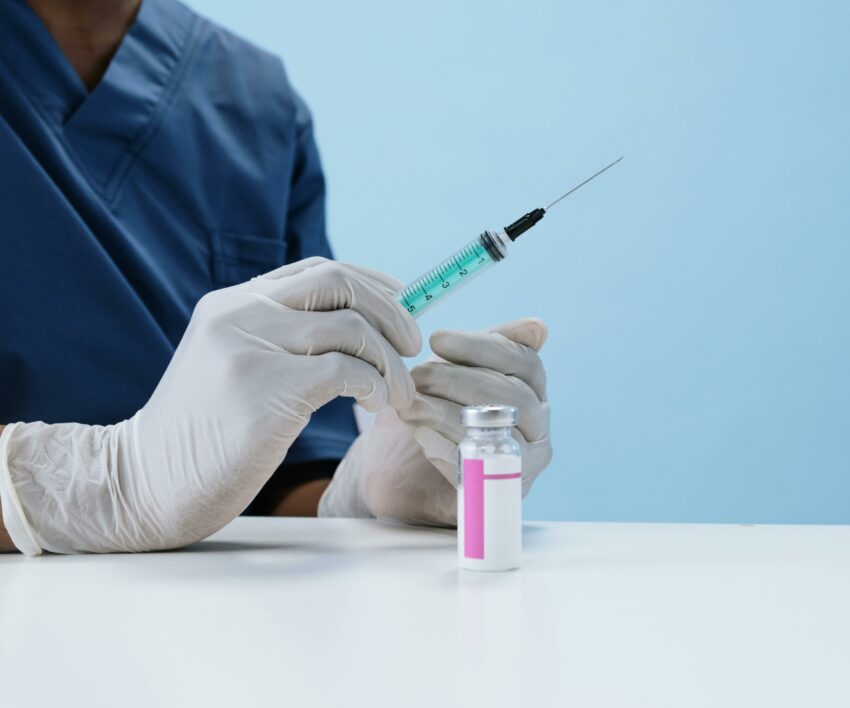
On Monday, South Africa began administering the new groundbreaking HIV-prevention injection in the drug’s first public rollouts in Africa, which has the world’s highest HIV burden.
Lenacapavir, which is a jab taken twice a year, has been shown to reduce the risk of HIV transmission by more than 99.9 percent, making it effective in the fight against HIV.
Neighbouring countries like Zambia and Eswatini received about 1,000 doses last month as part of a US programme and were also expected to launch the drug at World AIDS Day ceremonies on Monday.
Gilead Sciences has agreed to provide lenacapavir at no profit to around two million people in countries with a high HIV burden over three years. With the high HIV numbers, South Africa is one of the countries expected to continue to get lenacapavir.
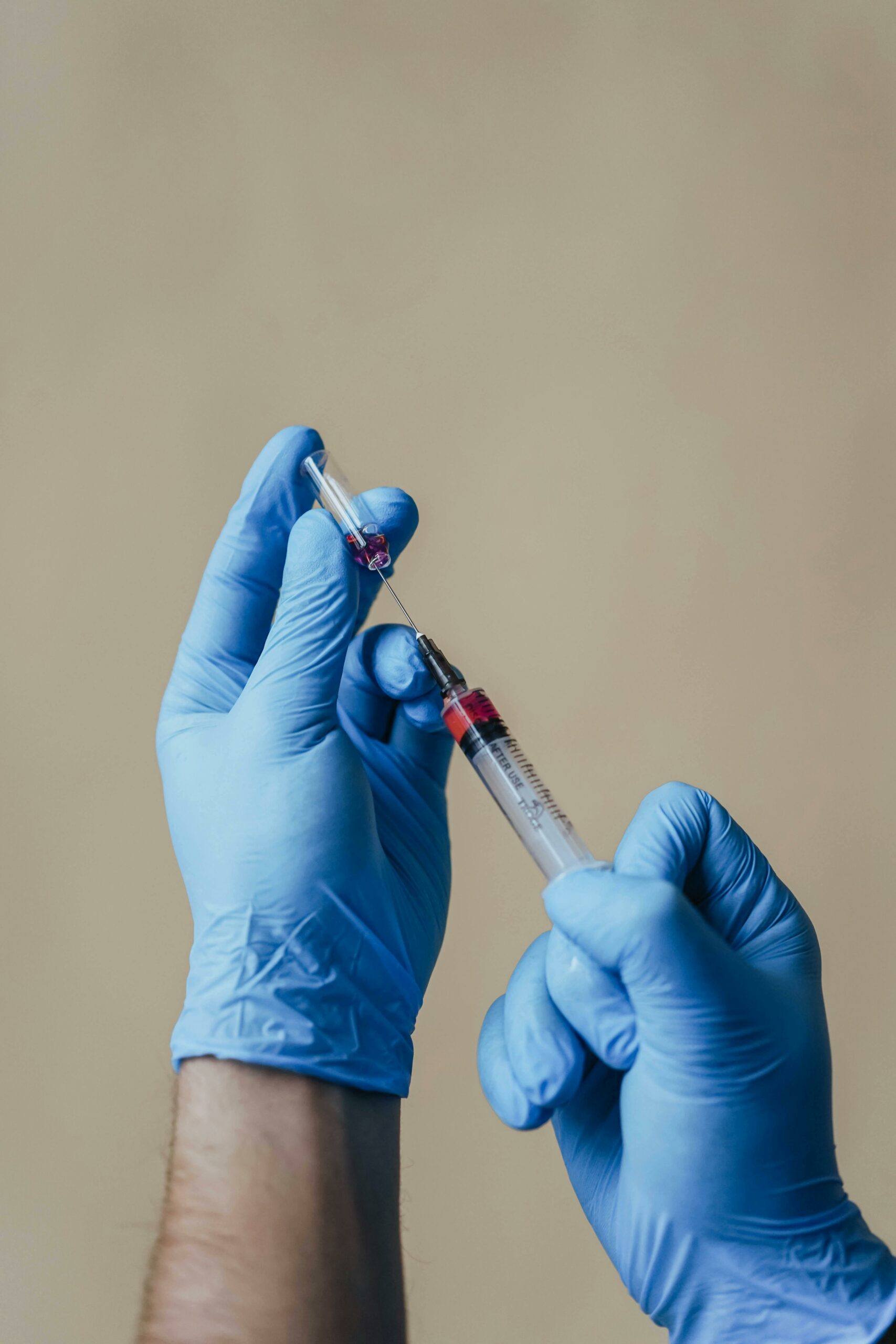
In a country like ours, where one in five adults lives with HIV, Wits University researchers have overseen the rollout as part of an initiative funded by the international health agency Unitaid, which works to ensure equitable access to medical innovations.
“The first individuals have begun using lenacapavir for HIV prevention in South Africa, making it among the first real-world use of the six-monthly injectable in low-and middle-income countries”, a Unitaid official said in a statement during World Aids day.
Generic versions of lenacapavir are expected to be available from 2027 to more than 100 countries around the world, through agreements by Unitaid. This is a huge breakthrough in the HIV and Aids problem that many countries are facing.
Also see: Community activists are the unsung heroes for HIV prevention of young women