‘No Return Policy’: Mzansi Reacts as Petition to Deport Elon Musk Gains Attention
From Pretoria to California, Should Musk Come Home?
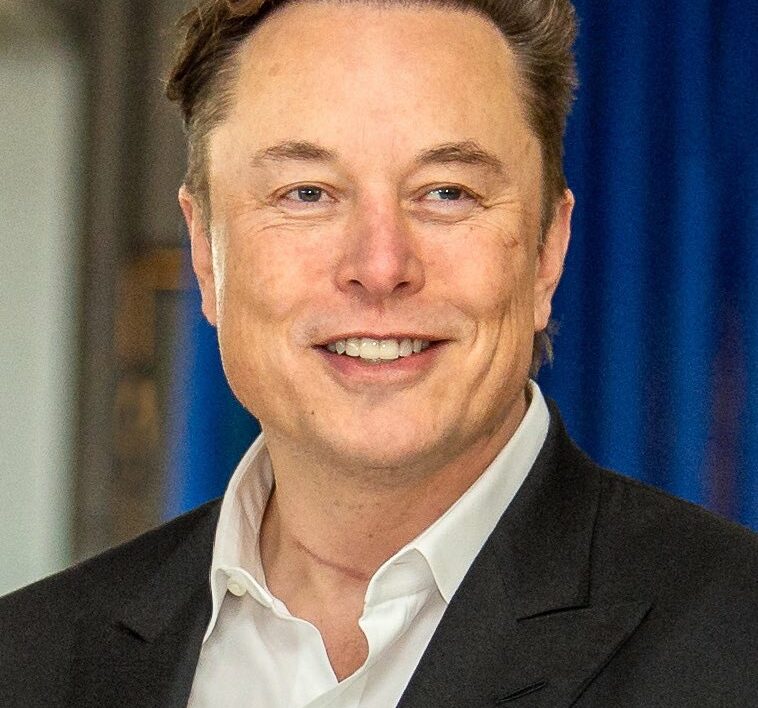
Elon Musk, the South African-born tech billionaire, has once again found himself at the centre of an unusual debate—this time, not about rockets or electric cars, but whether he should be sent “back” to South Africa.
The discussion reignited after an old petition resurfaced online, calling for the 54-year-old entrepreneur’s US citizenship to be revoked. The petition, launched by John Visci in March, has gathered over 6,500 signatures, reflecting the growing frustration among some Americans over Musk’s political involvement.
Visci’s statement explained the petition’s intent clearly:
“I, along with countless other concerned American citizens, feel deeply distressed by the increasing influence of corporate leaders in our political landscape. We specifically point to Elon Musk, a naturalized US citizen from South Africa, who we feel has exerted an imbalanced and potentially corrupting influence.”
While Musk’s technological achievements—from Tesla to SpaceX—are widely admired, critics argue that his public political statements and social media activity have tilted the balance of influence, raising concerns over wealth and power in politics.
Mzansi Has Opinions Too
As news of the petition circulated online, South Africans quickly joined the conversation, with most asserting that Musk doesn’t need a “return policy”.
Social media responses ranged from witty to pointed. One user joked, “SA does not operate a return policy; he’s staying in the US!” Another added, “No thanks, we don’t want him back here either.”
The reactions highlight a broader cultural sentiment: while Musk is undeniably a South African success story on the global stage, his presence in Mzansi’s backyard is neither required nor necessarily welcomed.
Musk’s Journey: Pretoria to the World
Born in Pretoria, South Africa, Elon Musk has long been a figure of fascination for both South Africans and the global tech community. His mother, Maye Musk, hails from Canada, while his father, Errol Musk, is South African. Musk moved to the US, where he became a naturalised citizen in 2002, and built a reputation as one of the world’s most influential entrepreneurs.
Despite his global success, the notion of “returning” Musk to South Africa remains largely symbolic and humorous—a reflection of both frustration with his political influence abroad and playful speculation among netizens.
What This Says About Power and Influence
At its core, the petition isn’t just about Elon Musk—it’s about a growing public conversation on corporate influence, wealth, and political power. Musk’s case becomes a lens through which people explore how billionaires shape discourse, decision-making, and policy, both in the US and globally.
For South Africans, the conversation carries a local twist: while Musk remains a figure of pride as a homegrown innovator, many prefer to enjoy his achievements from afar—without the complications of his global controversies landing at home.
Source: IOL
Featured Image: X{@AfricanHub_}