Teaching children about gender-based violence (GBV) is a delicate but essential conversation in today’s world. By helping kids understand respect, equality, and empathy from a young age, we’re equipping them with tools to challenge harmful norms and build healthier relationships.
However, how do you address such a serious topic in a way that’s age-appropriate and impactful? There are a few strategic tips that parents can implement that will empower children to recognise and stand up against GBV one lesson at a time.
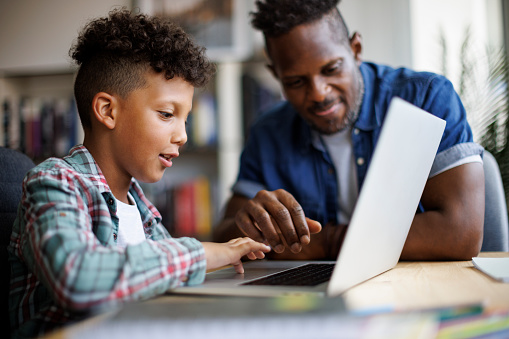
The Pixel Project states that parents should first educate themselves about GBV for them to be able to teach their kids. The publication mentions that open communication and allowing children to ask questions can help them make the right decisions and take appropriate actions.
According to the above source, books can also be a valuable tool for teaching values like gender equality, kindness, non-violence, and respecting others. “For older children and teenagers, go to the library or bookshop together to pick out books that promote healthy respectful behaviour as well as female characters who break the usual ‘princess’ or ‘damsel in distress’ mode.”
Young people want less fear-based messaging and practical guidance on good partnerships, states The Conversation. Therefore it is advised as a parent, you point out and talk about stereotypes from television shows, movies, and online influencers, highlighting that relationships don’t always play out like romantic comedy films or “reality” dating shows.
You are also encouraged to discuss how gender norms and stereotypes are problematic for everyone and encourage your child to express their emotions and engage in activities that bring joy without societal expectations.
The above publication states that you should talk to your children about how to respond to sexist or inappropriate behaviour, encourage them to challenge the behaviour, use body language, or ask a third party for help. “Your conversations don’t need to be lengthy sermons. Drip feed your thoughts and little bits of information throughout your everyday activities. For example, you could share your thoughts about a news report, a movie scene you’re watching together, or a song on the radio.”
Also see: Children exposed to trauma and violence threaten their adulthood