
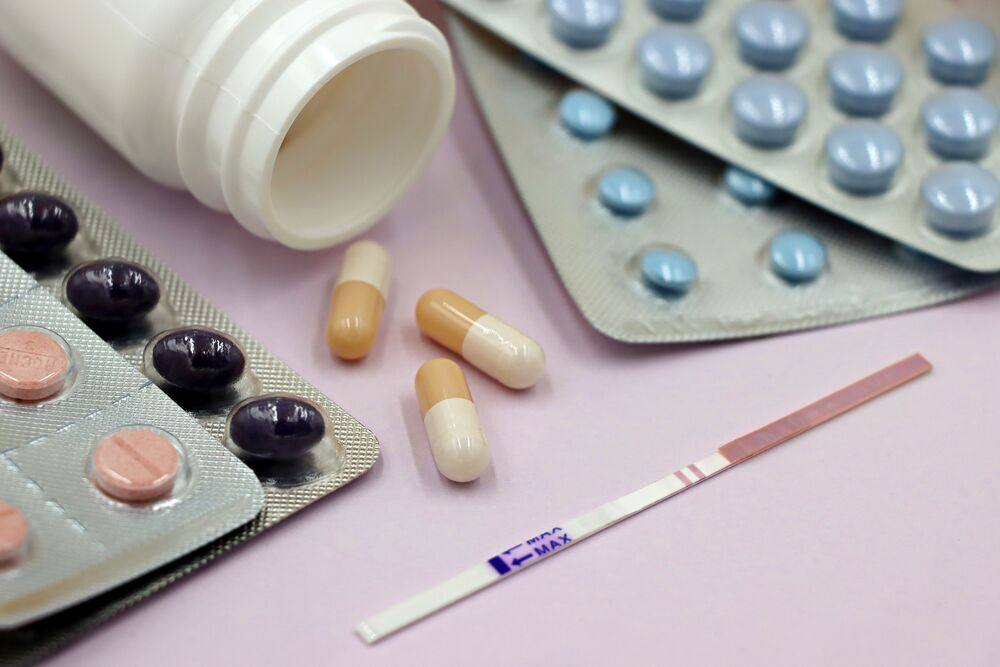
World Contraception Day, observed annually on 26 September, highlights the importance of access to safe and effective contraception and informed reproductive-health choices. In 2026, the day falls on Saturday, 26 September.
Also see: ‘Carte Blanche’ investigates possible link between injectable contraceptives and brain tumours
While contraception is often discussed in terms of pregnancy prevention, some people also have questions about how hormonal contraceptives may affect their mood. Feelings of irritability, sadness or changes in emotional wellbeing can sometimes be reported after starting a contraceptive method, but the relationship between contraception and mental health is complex.
Here is what you should know.
What is contraception?
According to the World Health Organisation, contraception refers to methods used to prevent pregnancy. Options include condoms, oral contraceptive pills, injections, implants, intrauterine devices (IUDs) and permanent methods such as sterilisation.
Hormonal methods work in different ways, including preventing ovulation, thickening cervical mucus and changing the lining of the uterus.
There is no single method suitable for everyone. South Africa’s Department of Health recommends that people choose a family-planning method in consultation with a healthcare professional, taking individual safety, effectiveness, acceptability and access into account.
Can contraception affect your mood?
Mood changes are a recognised possible side effect of some hormonal contraceptives. The World Health Organisation notes that some people using oral contraceptives experience mood changes, alongside other possible side effects such as headaches, nausea, dizziness and changes in bleeding.
However, experiencing a mood change while using contraception does not automatically mean that the contraceptive caused it.
Mood can be affected by many factors, including stress, relationships, sleep, menstrual-cycle changes and other health conditions.
Research into hormonal contraception and depression has also produced nuanced findings rather than a simple cause-and-effect answer. A 2025 WHO review noted that some hormonal methods may be associated with a slightly increased risk of depression in some people, while contraception may also be associated with improvements in depressive and anxiety symptoms among women with pre-existing mental health conditions.
What if you already have depression?
Having a history of depression does not automatically mean that hormonal contraception cannot be used.
The CDC’s 2024 Medical Eligibility Criteria classifies depressive disorders as category 1 for the contraceptive methods covered in its guidance, meaning there is no restriction on their use based solely on depressive disorders.
However, everyone’s circumstances are different. A healthcare professional can consider your medical history, current medication, symptoms and contraceptive preferences when helping you choose a method.
Pay attention to changes after starting a method
If you notice significant changes in your mood after starting, stopping or changing contraception, keep track of what you are experiencing.
You could note:
- When the symptoms started.
- Whether they occur continuously or at particular times.
- Changes in sleep or appetite.
- Changes in your menstrual cycle.
- Any other new symptoms.
- Any changes in medication or other major life circumstances.
This information can help you and your healthcare provider work out whether your contraceptive method may be contributing to the changes and whether another option should be considered.
Do not stop a prescribed contraceptive without considering your pregnancy-prevention needs. Speak to a healthcare professional about changing methods if you are concerned about side effects.
Also see: These are the side effects of contraceptives
Contraception does more than prevent pregnancy
Contraception can also have other health-related benefits depending on the method. WHO notes that hormonal contraception can improve some menstrual symptoms, including menstrual pain and abnormal bleeding.
The choice of contraception can therefore involve several considerations, including pregnancy prevention, menstrual symptoms, convenience, side effects, medical history and future pregnancy plans.
Remember: condoms help protect against STIs
Most contraceptive methods do not protect against sexually transmitted infections (STIs), including HIV.
Condoms are the contraceptive method that also provides protection against STIs when used correctly and consistently. The WHO and South African health authorities recommend condom use when STI protection is needed.
Using condoms alongside another contraceptive method is commonly referred to as dual protection and can help address both pregnancy and STI prevention.
When should you seek help?
Everyone experiences emotions differently, but persistent or severe changes in mood should not simply be dismissed as a contraceptive side effect.
If you experience prolonged sadness, loss of interest in activities, hopelessness or other symptoms associated with depression, speak to a healthcare professional. WHO distinguishes depression from ordinary short-term mood changes and notes that it can be effectively treated.
If you have thoughts of harming yourself or ending your life, seek urgent help from emergency services or a healthcare professional.
Making an informed contraceptive choice
World Contraception Day is an opportunity to remember that contraception is about choice, information and access.
South Africa’s Department of Health says people should decide on their family-planning method in consultation with a healthcare professional, while Western Cape health services offer counselling and a range of contraceptive options.
The most suitable method can depend on your individual circumstances, so it is worth discussing your options and any concerns about mood or other side effects with a qualified healthcare provider.
Also see: A look into the different types of contraceptives
Be the first to know – Join our WhatsApp channel for content worth tapping into. Click here to join!