What you eat can play an important role in how you feel throughout the day and how well your brain functions.
Also see: 5 Healthy foods South Africans can enjoy this Heritage Month
While no single food can guarantee better concentration or prevent cognitive decline, a balanced diet rich in whole foods can provide nutrients that support energy production, heart health and healthy brain function.
From oats and whole grains to oily fish, nuts and leafy vegetables, there are plenty of nutritious options that can easily be included in everyday meals.
Fatty fish
Fish such as sardines, pilchards, and salmon are rich in omega-3 fatty acids. Omega-3 fats are essential nutrients, meaning the body needs to obtain them from food. Docosahexaenoic acid (DHA) is also an important component of brain cell membranes.
For a South African-friendly option, pilchards and sardines can be affordable additions to sandwiches, salads or rice dishes.
Leafy green vegetables
Spinach, kale, broccoli and other dark green vegetables provide nutrients including folate, vitamin K, lutein and beta carotene.
Harvard Health notes that leafy greens are among the foods associated with brain health and may help support healthy cognitive ageing.
Add spinach to omelettes, stews, smoothies or pasta dishes, or serve broccoli and other vegetables alongside your main meal.
Oats or other grains
Oats, brown rice, whole-wheat bread, barley and other whole grains provide carbohydrates, an important source of energy. They also contain fibre, B vitamins, minerals and other nutrients.
Choosing whole grains instead of highly refined carbohydrates can help make meals more nutrient-dense and provide a source of longer-lasting fuel.
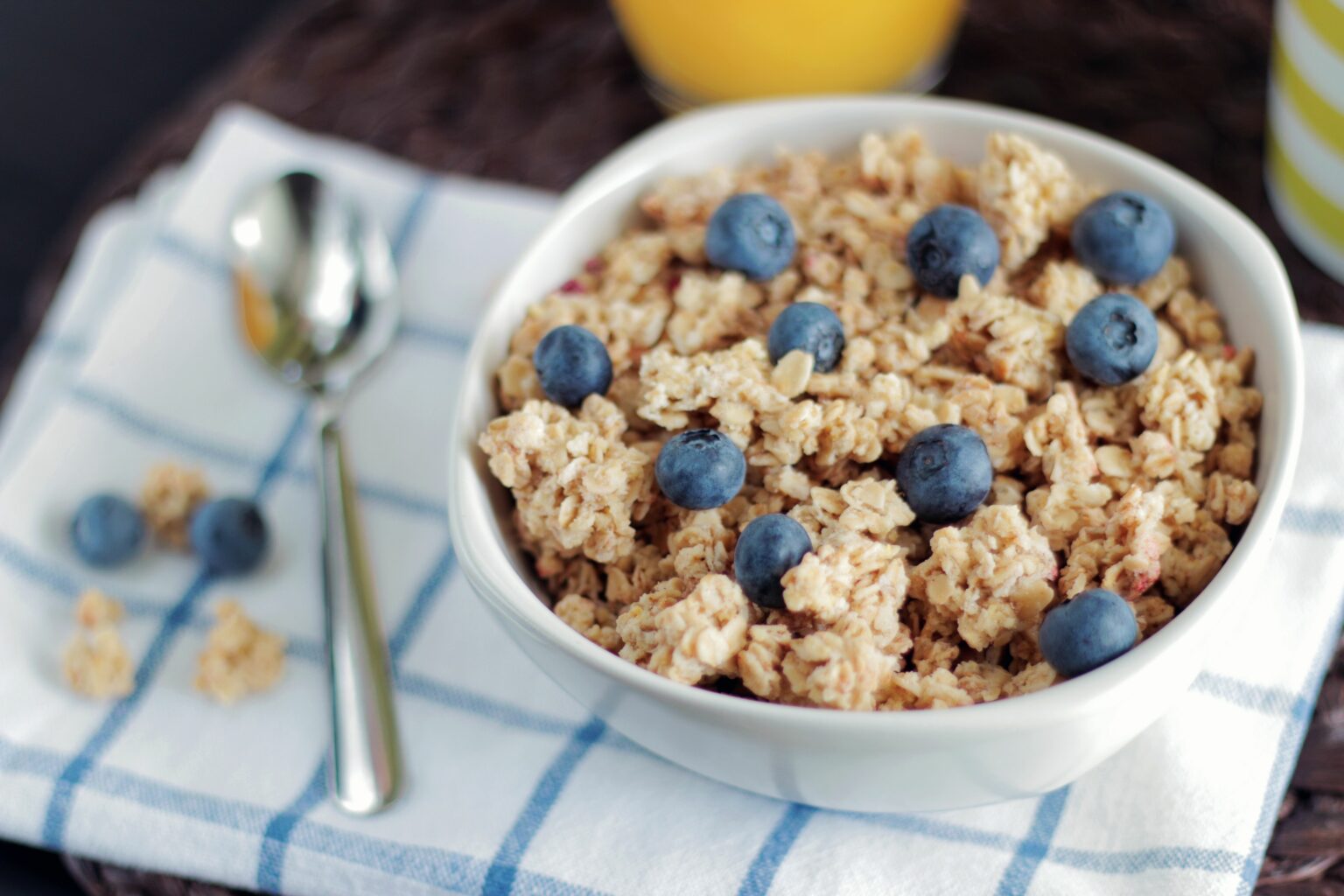
Harvard’s Nutrition Source recommends choosing mostly whole grains and less-processed carbohydrate sources. Try starting the day with a bowl of oats topped with berries, nuts and seeds.
Also see: Healthy comfort foods to enjoy during winter
Nuts and seeds
Good nuts provide protein, fibre and healthy fats. Walnuts are particularly notable because they contain alpha-linolenic acid (ALA), a plant-based omega-3 fatty acid. Flaxseeds and chia seeds are also useful sources of ALA.
Recent research has also reported an association between higher nut consumption and better global cognitive performance, although more research is needed to establish cause and effect.
Berries and other colourful fruit
Blueberries, strawberries and other berries contain flavonoids and other plant compounds that have been investigated for their potential relationship with memory and cognitive health.
Harvard Health highlights berries as part of a brain-friendly eating pattern and notes research linking berry consumption with better memory outcomes.
Fresh or frozen berries can be added to breakfast oats, yoghurt or smoothies. Other colourful fruits can also contribute valuable vitamins, minerals and fibre to the diet.
Avocado
If you are looking for good unsaturated fats and fibre, avocados can be used in a variety of meals. The healthy fats make it a useful alternative to foods that are high in saturated fat. Try adding avocado to whole-grain toast, salads, sandwiches or breakfast bowls.
Supporting energy and brain health does not necessarily require expensive ‘superfoods’. Everyday foods such as oats, eggs, leafy greens, or fruit can all form part of a balanced eating pattern.

Also see: 5 High-protein foods to keep in your spring diet
Be the first to know – Join our WhatsApp channel for content worth tapping into. Click here to join!