Get the latest stories, features, and updates from Bona Magazine in your inbox.
You're in!
Thank you for subscribing. We're so glad you're here — keep an eye on your inbox for the latest from Bona.
Articles you may also like
Article
Step-by-step guide on all you should know on the day of voting
2y·
By Zintle Mdaka
With millions of voters waiting in anticipation for the election day in South Africa, among them are first time voters who may be both excited and nervous for the 29th of May.
According to news publication IOL, the Electoral Commission of South Africa (IEC) confirmed that the number of registered voters who are between the ages of 18-19 is 550,000, while those who are between the ages of 20-29 are 4 million.
Being a first time voter is considered a noteworthy achievement because voting is an essential right that gives you a voice in a democracy. This is the time where your voice can make a difference in the future and the power of democracy is in your hands.
With that said, first time voters have a unique chance to exercise this right and have their voices heard on election day.
To ease your nerves for the upcoming elections, the above mentioned publication has put together a step-by-step guide to help you navigate your first voting experience:
Confirm your registration
The first step is to ensure that you are registered to vote. To confirm this, first time voters can go to the electoral office or visit the Election Commission’s website to check their eligibility. If you have not registered, you will not be able to vote.
Prepare identification
For a smooth sailing voting experience, ensure you have a green bar-coded South African ID book/card or a temporary identification certificate. It is important for every voter to have these documents for voter registration and voting.
Know your voting station
For every voter it is imperative to find out where your designated voting station is.
Verification process
When you arrive at your designated voting station entrance, you will need to present you ID so it can be scanned. After that is done, you will be given a slip verifying your voter registration and the line you must wait in. You will also be given directions when you arrive at the station.
Understand the ballot
There will be three ballots provided to you. The blue ballot paper is for the National Assembly; the orange ballot paper is the regional ballot (choose who represents your province on a national level) and the pink ballot paper is the provincial ballot (choose the party that governs your province).
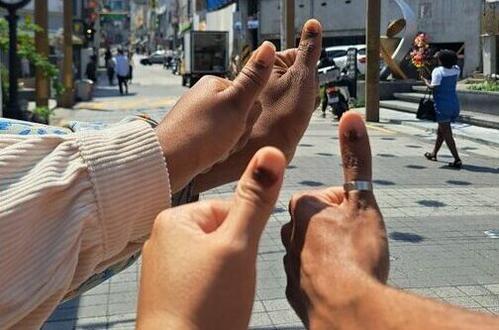
Thumb inked
After the voting officers confirm that you are a registered voter, you have the proper identification and you have not cast your ballot yet. Your name will be removed from the voter’s roll, your ID will be stamped on the second page and your thumbnail will be inked. The voting officer will hand you the official ballots, stamping the back of each one (one for each election).
Vote
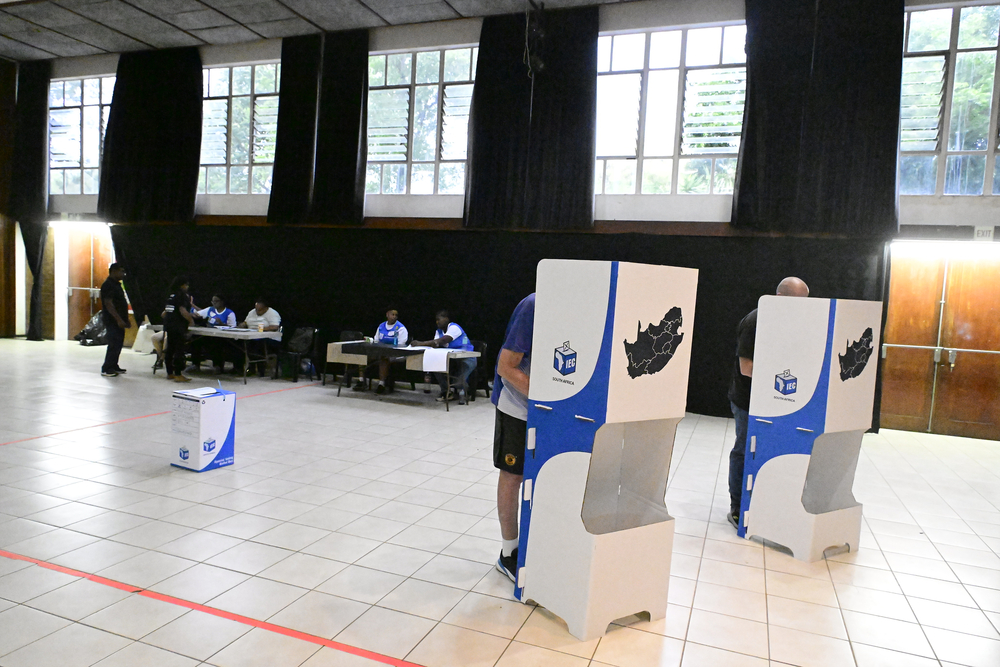
At this point, you will proceed to an empty voting booth where you will mark the ballots with placing just one X on each of them. Once you are done, fold them so that your selection is concealed, and deposit it in the ballot box.
The voting window is scheduled to run from 7 am to 9pm. Try to get there early in the day to avoid long queues.
Sizekhaya Holdings has suffered a legal setback after the North Gauteng High Court in Pretoria set aside the decision to award the company the Fourth National Lottery and Sports Pools Licence. Also see: She blew it! Woman runs through R13.9 million Lotto winnings The judgment, delivered on Monday, 2 November 2026, declared the licence agreement […]
With South Africans preparing to vote in the 2026 Local Government Elections on Wednesday, 4 November 2026, first-time voters are being encouraged to familiarise themselves with the voting process before heading to the polls. Also see: Final chance for voters as registration weekend approaches For many young South Africans, this will be their first opportunity […]
A spirited debate across South African social media has sparked a wider conversation about the current state of local film and television. Initiated by viral discussions around franchise comedy formats like the How to Ruin series, audiences are expressing growing fatigue with heavy-handed narratives. Also see: ‘HOW TO RUIN DIWALI’ SPARKS DEBATE AMONG VIEWERS Mzansi […]