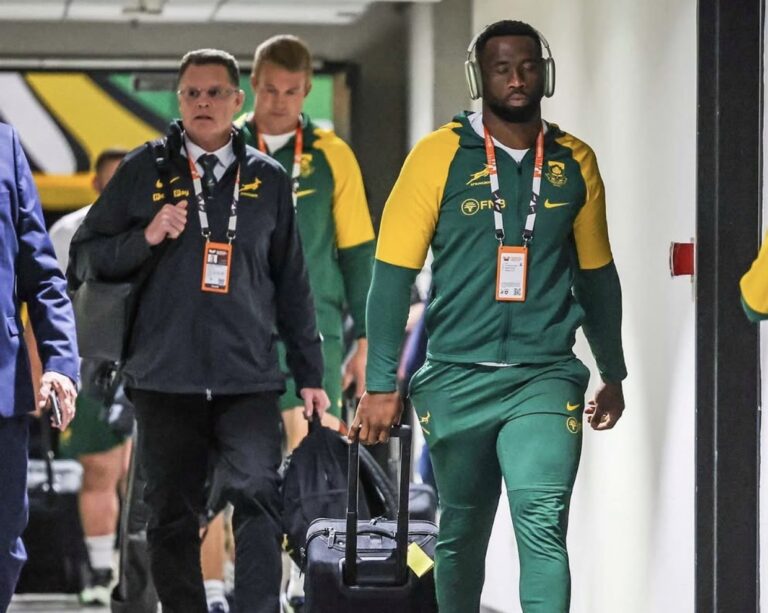
The Springboks secured a hard-fought victory against the All Blacks at a sold-out FNB Stadium on 5 September 2026, but growing public frustration over steep ticket prices has sparked intense debate off the field.
While rugby fans celebrated another historic performance on the pitch, many supporters have voiced outrage over the financial barrier to attending live national games.
Also see: Running clubs or speed dating? Why running is becoming a social scene
Springboks battle back in a Soweto thriller
In front of a massive crowd of 85,976 spectators, the Springboks overcame a physical New Zealand side to record their first-ever win over the All Blacks at FNB Stadium.
The visitors struck first through two early tries from captain Ardie Savea, but South Africa stayed within touching distance courtesy of a brilliant line-break try from wing Kurt-Lee Arendse and a dominant scrum performance that earned a penalty try just before half-time, locking the score at 12-12.
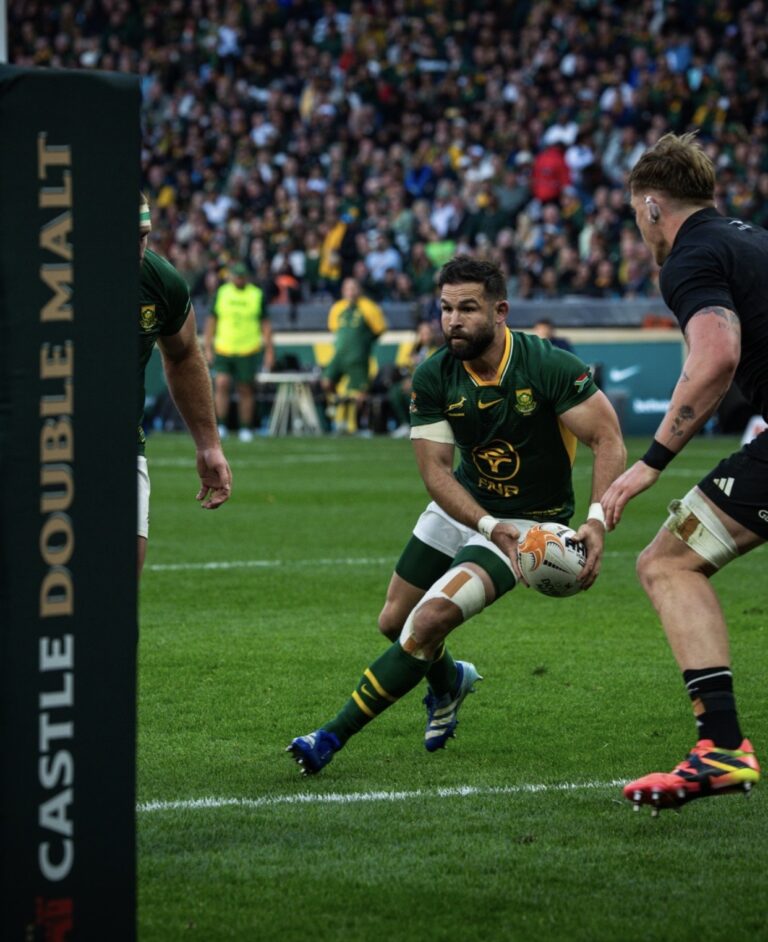
The second half belonged to the World Champions, as second-half tries from Jesse Kriel and hooker Malcolm Marx, backed by solid kicking from Sacha Feinberg-Mngomezulu, propelled the Springboks into a decisive lead. Although the All Blacks managed a late consolation try through Samisoni Taukei’aho, South Africa held firm to lock in a monumental victory before the series concludes in Baltimore next week.
Exorbitant prices alienate ordinary supporters
Tickets for the highly anticipated test match ranged from R1,650 to R4,000 per person. For a family of four, attending the match meant spending anywhere between R6,600 and R16,000 just to enter the gates, a sum far beyond the reach of the average working-class household.
Also see: Cheslin Kolbe suffers broken jaw as Springboks beat All Blacks
Outraged fans quickly took to social media to contrast these rates with the PSL Soweto Derby, where football tickets typically start around R350. Critics argue that given South Africa’s high unemployment rate and current economic climate, pricing tickets at such premium levels effectively priced ordinary supporters, particularly Black South Africans, out of cheering for their national team in person.
High demand vs sporting accessibility

Defenders of the pricing structure pointed to the rarity of the blockbuster fixture, the elite world-class status of both teams, and the substantial security and operational costs associated with hosting major events at FNB Stadium.
However, broader complaints regarding inclusivity and accessibility in national sports have pushed SA Rugby to respond. Addressing the ongoing backlash, SA Rugby stated that it will review accessibility for future events to ensure a fairer balance between commercial sustainability and inclusive spectator access.
Also see: South African soccer stars prepare for UEFA league phases
Be the first to know – Join our WhatsApp channel for content worth tapping into. Click here to join!