
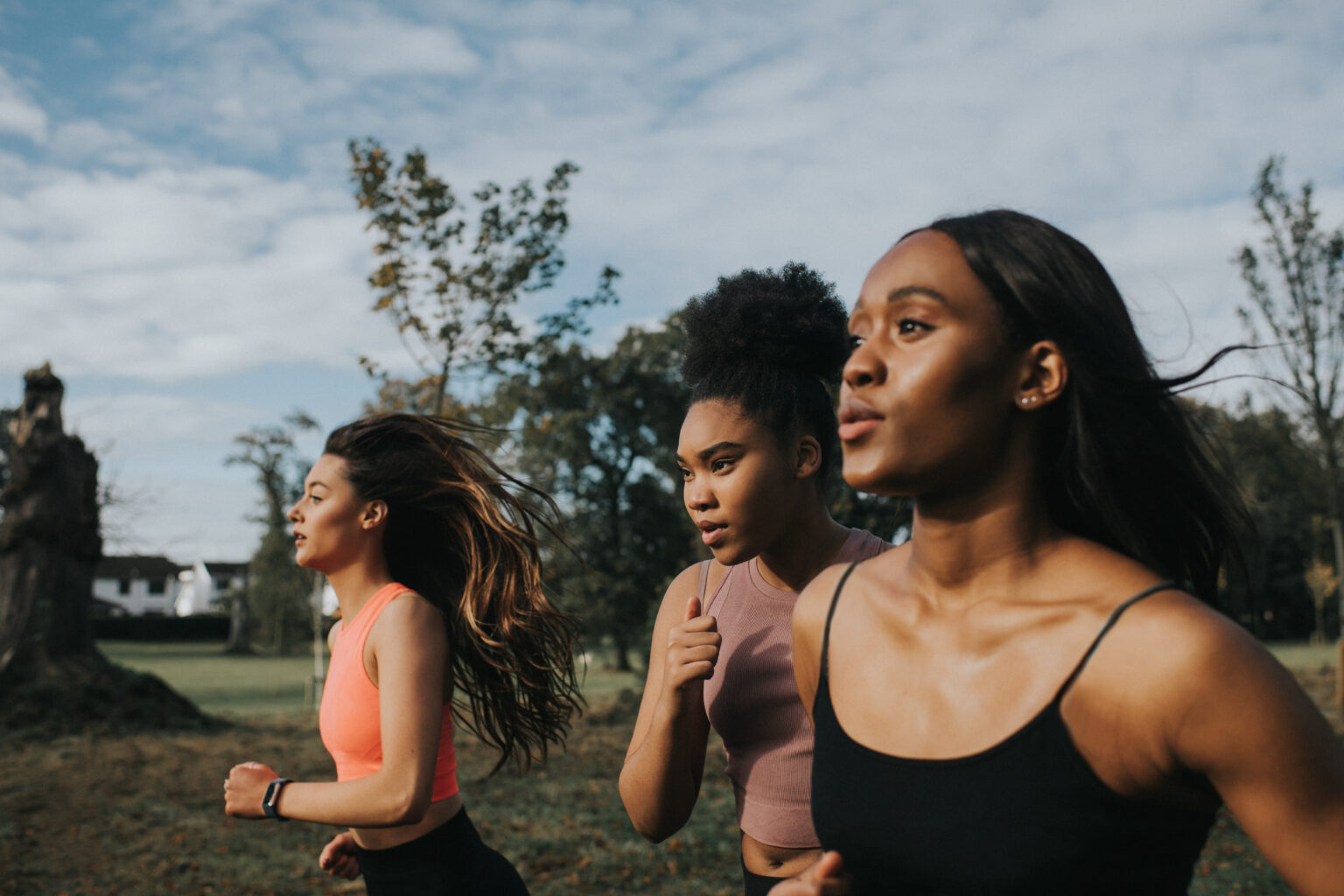
Across South Africa’s urban hubs, from the Sea Point Promenade in Cape Town to Rosebank and Parkhurst in Johannesburg, running clubs are experiencing an unprecedented boom.
But step into any early-morning crew or post-work social mile, and it becomes immediately clear that finish-line times are taking a backseat to human connection.
Also see: Running smart: How to prevent injury and recover well
With dating app burnout at an all-time high, young South Africans are swapping endless swiping for running shoes.
Beyond the social media trend, psychologists, relationship experts, and community leaders explain the exact science behind why running together generates better romantic chemistry than a digital match.
The chemical advantage of shared exertion
Exercise naturally triggers a powerful neurochemical response. According to UK relationship expert Kate Daly, co-founder of the relationship service Amicable, the physical high of running lowers social barriers.
“The endorphins released during exercise create a positive and uplifting environment,” Daly explains. “This can make people more approachable and open to forming new connections, including romantic ones.”
View this post on Instagram
Furthermore, sex and relationship expert Barbara Santini notes that pushing through physical effort alongside someone else triggers the release of oxytocin, the hormone responsible for bonding and emotional closeness. This chemical reaction builds a sense of trust and shared resilience far faster than a standard sit-down date.
Bypassing ‘interview mode’ and performance anxiety
Traditional dates force direct eye contact across a table, which often triggers interview-style anxiety and curated responses. Relationship coach Sera Bozza highlights that running creates a unique environment of ‘built-in banter’ and zero-pressure interaction.
When running, two people are moving in parallel, facing forward rather than staring directly at each other. This physical alignment lowers self-consciousness, while physical exertion naturally removes social filters.
As personal trainer and fitness expert Nataly Komova notes, running strips away pretences. It is raw and demanding, revealing a person’s real character, vulnerability, and resilience in real time rather than a polished dating profile.
Also see: Running club red flags: How to choose your crew and avoid being ghosted at 5am
The propinquity effect: Repeated exposure over quick swipes
In social psychology, the propinquity effect states that the more frequently you interact with someone in a shared space, the more likely you are to develop an attraction. Dating apps demand instant “yes” or “no” verdicts based on photos, whereas running clubs leverage routine.
Matt Horrocks, founder of the UK social running community Your Friendly Runners, observes that recurring social runs serve as a safe environment for organic bonding. Seeing the same faces week after week, without the immediate pressure of a romantic setup, allows genuine friendships to form first, creating a solid foundation for romantic relationships to develop naturally over time.
Shared lifestyle values over curated bios
App profiles often list surface-level interests, but showing up to a 06:00 group run filters for fundamental lifestyle alignment.
Psychological researchers note that running clubs act as a modern ‘third place,’ an accessible, recurring space outside of home and work that fosters belonging.
Showing up to run alongside others immediately confirms shared core values: health consciousness, discipline, and community orientation. As relationship coach Sam Morris emphasises, people rarely join run clubs solely to perform; they show up as their authentic selves, making it far easier to find genuine compatibility.
Etiquette on the pavement: Keeping it organic
While the psychological conditions in a run club are ideal for romantic chemistry, relationship experts stress that preserving the group’s dynamic requires basic courtesy:
- Avoid ‘lifestyle catfishing’: Sera Bozza cautions against joining a run club purely to hunt for dates if you dislike running, as forcing the interest quickly backfires.
- Respect personal space: Pay attention to non-verbal cues. If someone is focusing on their pace or listening to music, do not force interaction.
- Capitalise on the post-run coffee: As Bozza points out, the real intimacy happens after the run. When the heart rate settles over a post-run coffee, the nervous system drops its guard, making it the natural moment for deeper conversation.
Also see: What Healthy Boundaries Look Like While Dating
Be the first to know – Join our WhatsApp channel for content worth tapping into. Click here to join!