A national wound reopened
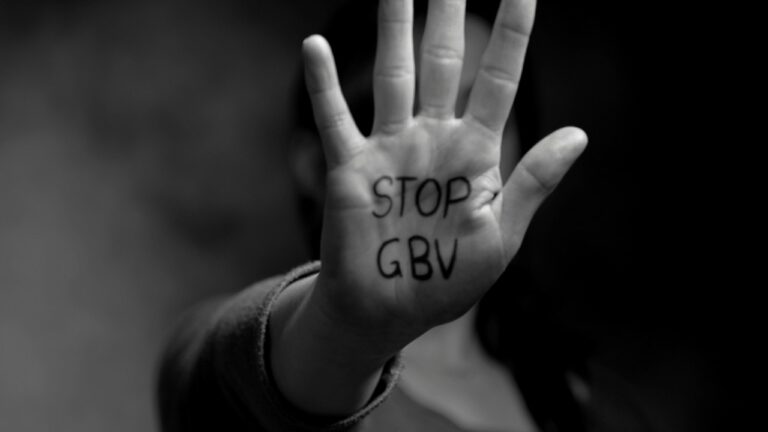
South Africa’s relationship with gender-based violence is long and painful. It is a crisis that reappears in family WhatsApp groups, in viral clips that shock the nation, and in the stories people whisper to each other because saying them aloud hurts too much. This week, the conversation shifted again when President Cyril Ramaphosa expressed his intention to formally declare GBV and femicide a national crisis.
For many, the announcement landed with a mix of relief and frustration. It felt necessary, almost inevitable, yet it also raised a harder truth. No law or declaration can fix this alone unless the country confronts the men responsible for the violence. That part of the story is impossible to avoid now.
What lies beneath the violence
Craig Wilkinson, author of Force for Good and a long-standing voice in men’s development, argues that South Africa cannot end GBV without tackling what he calls wounded masculinity. His message is not an attack on masculinity itself. Instead, he believes that when masculinity becomes distorted or delayed, it can turn inward, then outward, as harm.
In his view, real masculinity should feel like safety. It should create dignity, not fear. It should build a home rather than break one. But in a country where many boys grow up without solid role models, that version of manhood is often missing.
Wilkinson sees this as a generational wound. Hurt men, he says, end up hurting others. Healing that wound is not soft work. It requires guidance, accountability, and communities that call men into responsibility rather than leaving them to figure it out alone.
Men cannot remain quiet
With thousands preparing to join the G20 Women’s Shutdown against GBV, Wilkinson has made one point clear. Men cannot watch from the sidelines any longer. Silence has become a shelter for violence. If men make up most of the perpetrators, then men must drive the solution.
That shift happens in daily life. It begins with fathers teaching their sons emotional steadiness rather than fear. It grows when mentors show boys that respect is not weakness. It strengthens when men correct each other rather than laughing off harmful behaviour.
This is not a call to overpower women. It is a call to stand with them, shoulder to shoulder, without expecting applause. A country is better when its women feel safe simply to exist, and that requires men who are present and accountable.
A moment that demands courage
Ramaphosa’s intention to elevate GBV to the level of a national crisis signals a new phase. It recognises that this issue is entwined with South Africa’s future. Systems, policing, and legislation all matter, but they cannot hold up a nation alone. Cultural change must sit at the centre.
Ending GBV means stopping the cycle that shapes wounded boys into destructive men. It means rewriting the story of masculinity into something healthy, steady, and rooted in dignity. That work belongs to every household, every school, and every community hall.
South Africa stands at a turning point. Healing wounded masculinity is not a small task, but it is one of the most hopeful paths forward. A safer country begins with the men who choose to rebuild themselves and, in doing so, rebuild the nation.
Source: Joburg ETC
Featured Image: LinkedIn/Georgina Barrick