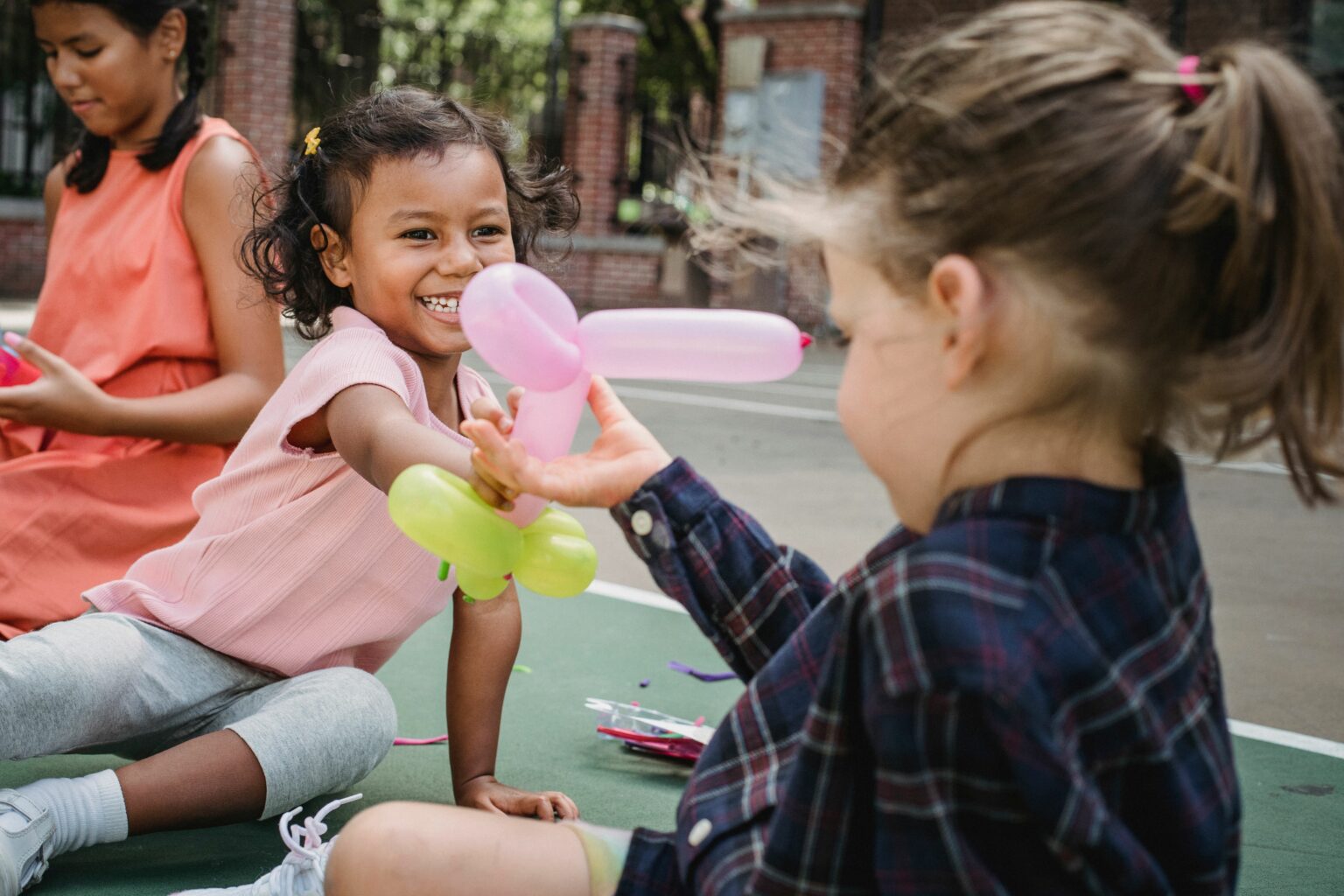
Children do not develop in isolation. From their earliest days, relationships with parents, caregivers, siblings, teachers and other children help shape how they communicate, learn, manage emotions, and understand the world around them.
Also see: Why Johannesburg families should take their kids on safari
Everyday interactions—talking, playing, listening, laughing and responding to a child’s needs—can have an important influence on healthy development.
Building the foundations of the developing brain
Responsive relationships are particularly important during the early years of life. A Harvard University study on developing children describes back-and-forth exchanges between children and caring adults as “serve and return” interactions.
When a baby makes a sound, gestures, or cries and an adult responds with eye contact, words, or affection, these exchanges help build connections in the developing brain.
These interactions also help lay the groundwork for communication, language, and social skills that children will use as they grow.
Children learn a language by listening to it and using it with other people. Conversations with caregivers expose children to words, sounds, facial expressions and different ways of communicating.
Learning how to manage emotions
Social interaction also helps children learn emotional regulation.
A supportive caregiver can help a child understand their feelings and gradually learn to respond to frustration, disappointment, or excitement. Safe, stable and nurturing relationships can also help buffer children against excessive stress.
This does not mean children will never experience difficult emotions. Instead, positive relationships give them a safe environment in which to learn to handle those emotions.
Also see: The soft parenting of kids: Good, bad, or the new norm?
Kids learn through play
One of the most natural ways children interact with other people is through playing with parents, siblings and peers. This allows children to practice cooperation, communication, creativity and problem-solving.
The American Academy of Paediatrics says developmentally appropriate play with parents and peers can promote social-emotional, cognitive, language and self-regulation skills.
Play can also help children develop executive function skills, including the ability to plan, focus, and manage behaviour. These experiences can help them develop skills needed for relationships later in life.
Social interaction supports learning
Social and emotional development is closely connected to other areas of development. According to reports, children learn to communicate, think, reason, play and develop other abilities in the context of interactions with caregivers and peers.
Supportive and predictable relationships can help prepare children for healthy relationships and productive adulthood.
Play can also support school readiness by giving children opportunities to practise attention, problem-solving, cooperation and communication.
UNICEF South Africa also highlights social interaction as an important part of children’s social, emotional and cognitive development, and emphasises the value of shared play in strengthening the relationship between children and caregivers.
Also see: The importance of teaching kids to stay calm in chaotic moments
Featured image: Pexels
Be the first to know – Join our WhatsApp channel for content worth tapping into. Click here to join!