
The announcement of Mzansi Magic’s upcoming drama series, Inyosi, has reignited a passionate online debate regarding cultural representation and narrative fatigue in South African television.
Also see: Maglera Doe Boy set to premiere new short film this October
While the show promises a compelling family-centred storyline, social media users have quickly taken to platforms like X (formerly Twitter) to question why local broadcasters continue to heavily prioritise Zulu-centric drama plots at the expense of South Africa’s other rich linguistic and cultural groups.
The cycle of similar narratives and market pressures
The discourse was initially sparked by a viral post from user @mr_mbathaa, who expressed exhaustion with the continuous recycling of Zulu culture-centred storylines.
The sentiment resonated widely, drawing hundreds of replies and opening up a broader industry debate about why local television screens feel saturated with familiar tropes.
Several social media users pointed out that the trend ultimately boils down to economics and broad market viability.
Supporters of the current broadcasting model argued that production companies are driven by profit and ratings, noting that Nguni languages, particularly isiZulu, enjoy a massive, highly lucrative audience footprint across multiple provinces, including Gauteng, KwaZulu-Natal, Mpumalanga, and the Eastern Cape.
Commenters asserted that because a significant portion of South Africa’s television-watching demographic understands isiZulu fluently, broadcasters view these stories as safer, more profitable investments compared to niche language productions.
Also see: New local releases to watch this second half of October
I’m Zulu but for crying out loud can we stop with these Zulu culture centred stories
— Mthiya 🇿🇦 (@mr_mbathaa) October 21, 2026
Calls for diversity, authenticity, and regional representation
Conversely, many users pushed back against the commercial defence, arguing that the heavy reliance on a single cultural template results in missed opportunities for authentic cross-cultural representation.
Critics pointed out that since the success of groundbreaking predecessors like Isibaya, television commissioners have largely leaned into a formulaic recycling of family rivalries and cultural dramas that many feel fail to accurately depict nuanced traditional practices.
Other contributors to the debate highlighted the need for greater multilingual and multicultural inclusivity, noting that viewers from Sotho, Tswana, Sepedi, and other linguistic backgrounds rarely see their realities reflected in prime-time drama slots.
As online discussions continue to swell around Inyosi, the conversation underscores a persistent tug-of-war in South African media: balancing the bottom-line realities of commercial broadcasting with growing viewer demand for diverse, fresh, and multi-faceted cultural storytelling.
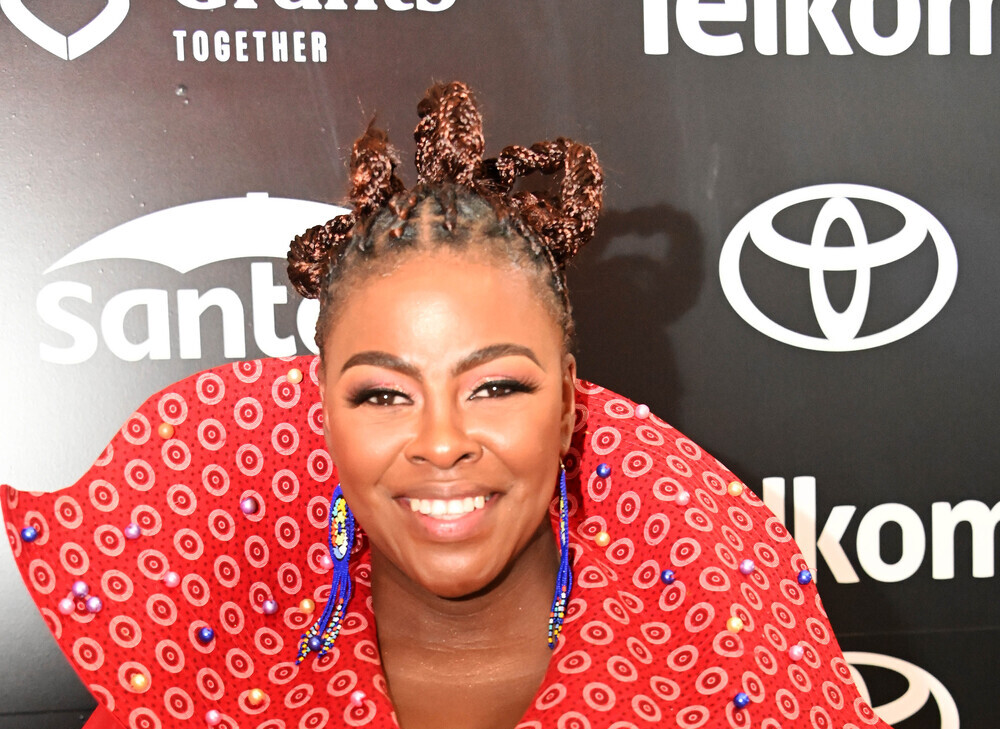
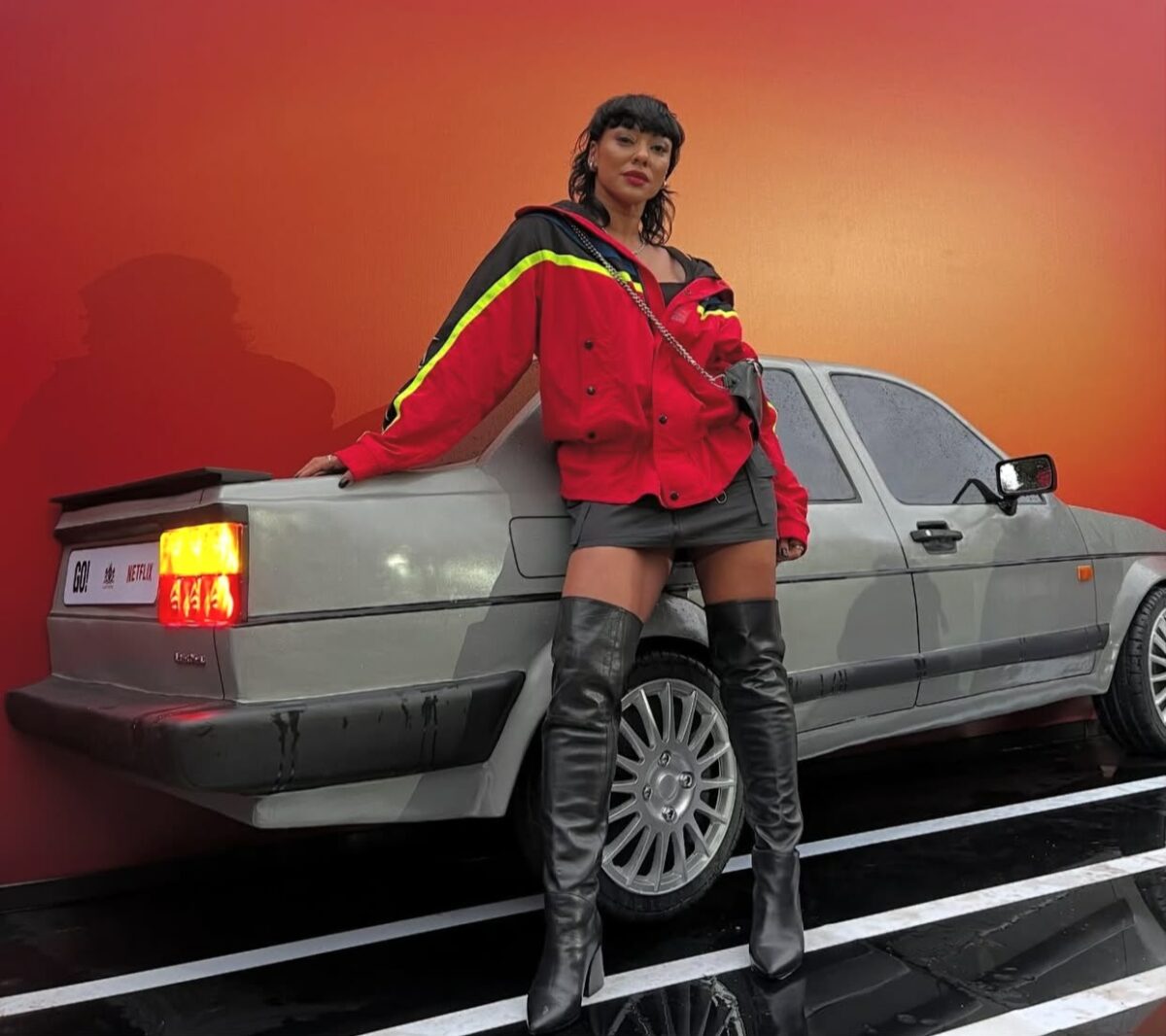
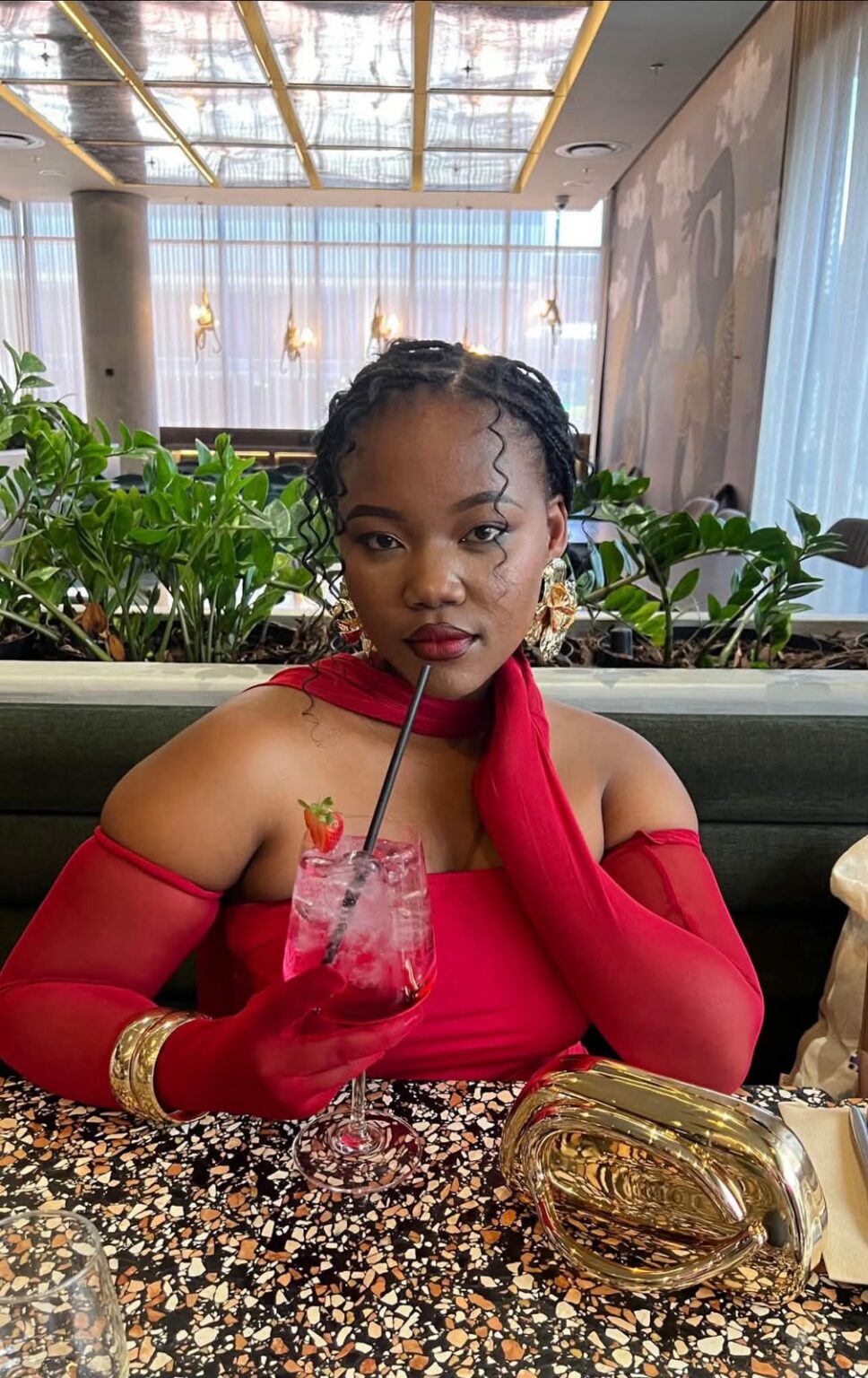
Featured image: Instagram/@dawnthandeka_king
Also see: National Film and TV Awards nominations come out with a bang
Be the first to know – Join our WhatsApp channel for content worth tapping into. Click here to join!