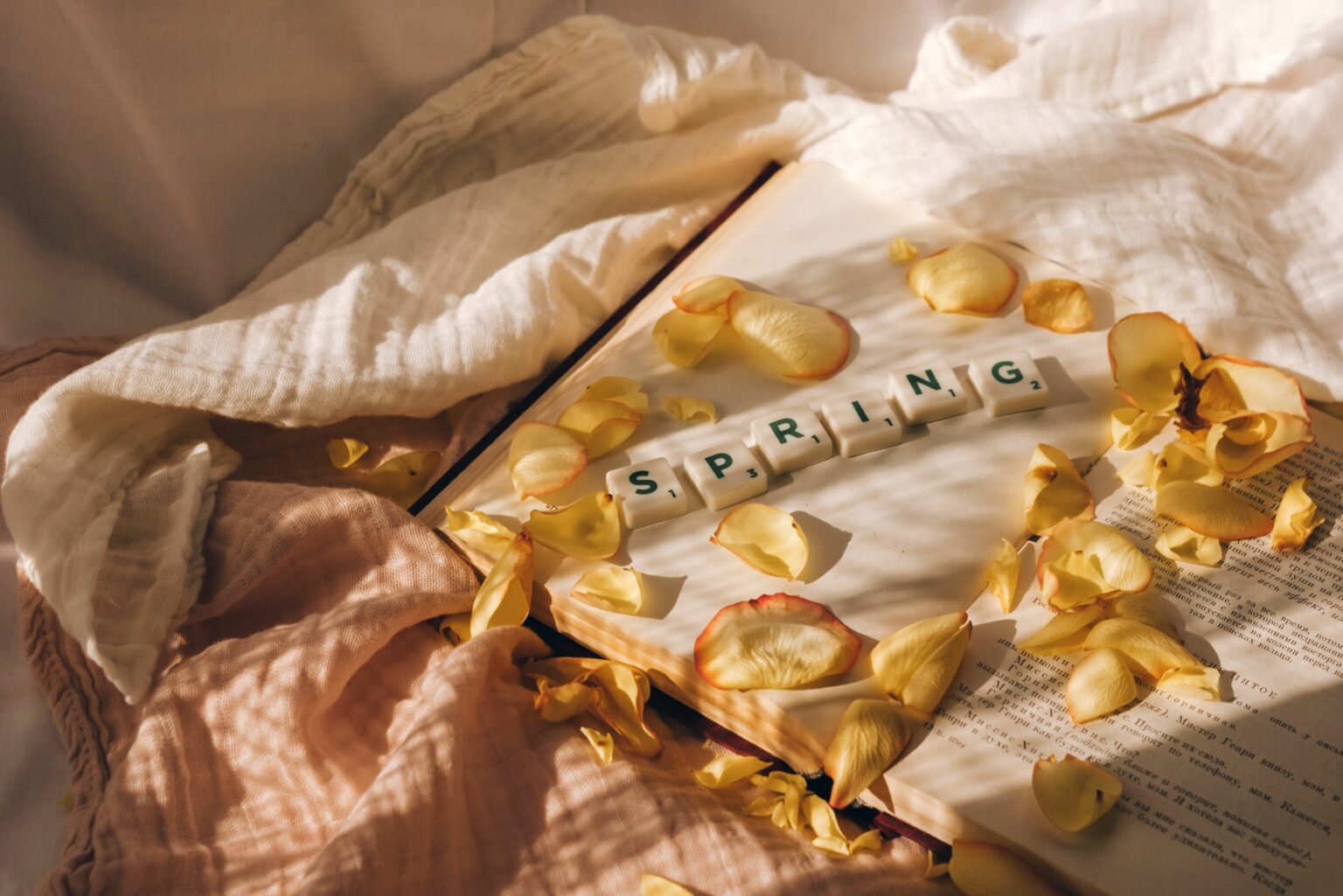
As winter gives way to spring, longer days, warmer temperatures and blooming landscapes bring a welcome change. But the transition into a new season can also affect your routine, energy levels and overall well-being.
Also see: Fatal Spring Day stabbing causes division as SA debates water-dousing row
According to Mayo Clinic, spring is a good time to reset and gradually adjust to the changing environment.
Here are a few simple ways to make the seasonal transition easier.
Refresh your daily routine
With daylight lasting longer, you may find yourself naturally becoming more active. Use the extra daylight to gradually adjust your sleeping, exercise and meal routines.
Try to maintain consistent sleep and wake times, while making space for outdoor activities during the day.
Spend more time outdoors
Spring provides a great opportunity to reconnect with nature. Going for a walk, spending time in a garden or simply getting some fresh air can help you make the most of the brighter days.
Start slowly if you have been less active during winter and increase your activity as your body adjusts.
Be mindful of seasonal allergies
For some people, spring also means an increase in pollen and seasonal allergies. Sneezing, itchy eyes, a runny nose and congestion can become more noticeable as plants begin to flower.
Keeping windows closed during periods of high pollen, showering after spending time outdoors and keeping living spaces clean can help reduce exposure. If symptoms are severe or persistent, consider speaking to a healthcare professional.
Also see: From garden to table: Making the most of your spring harvest
Stay hydrated
As temperatures rise, your body may need more fluids, particularly when you are spending more time outdoors or exercising.
Keep water nearby throughout the day and remember that thirst is not always the first sign that you need to hydrate.
Look after your skin
Increased sun exposure during spring makes sun protection important. Apply a broad-spectrum sunscreen when spending time outdoors and consider wearing protective clothing, sunglasses and a hat.
It is also useful to keep your skin moisturised as environmental conditions change.
Watch out for seasonal allergies
Also called hay fever and allergic rhinitis, this is when your immune system reacts to a foreign substance such as pollen or dust mites. All these are prevalent in spring, and people with allergic rhinitis will experience a flare in symptoms with exposure to their allergens.
For those with spring pollen allergies, windy, dry days can be especially bothersome due to higher levels of airborne pollen.
Also see: Spring hydration: Simple ways to stay refreshed as the weather warms up
Featured image: Pexels/Polina Kovaleva
Be the first to know – Join our WhatsApp channel for content worth tapping into. Click here to join!