
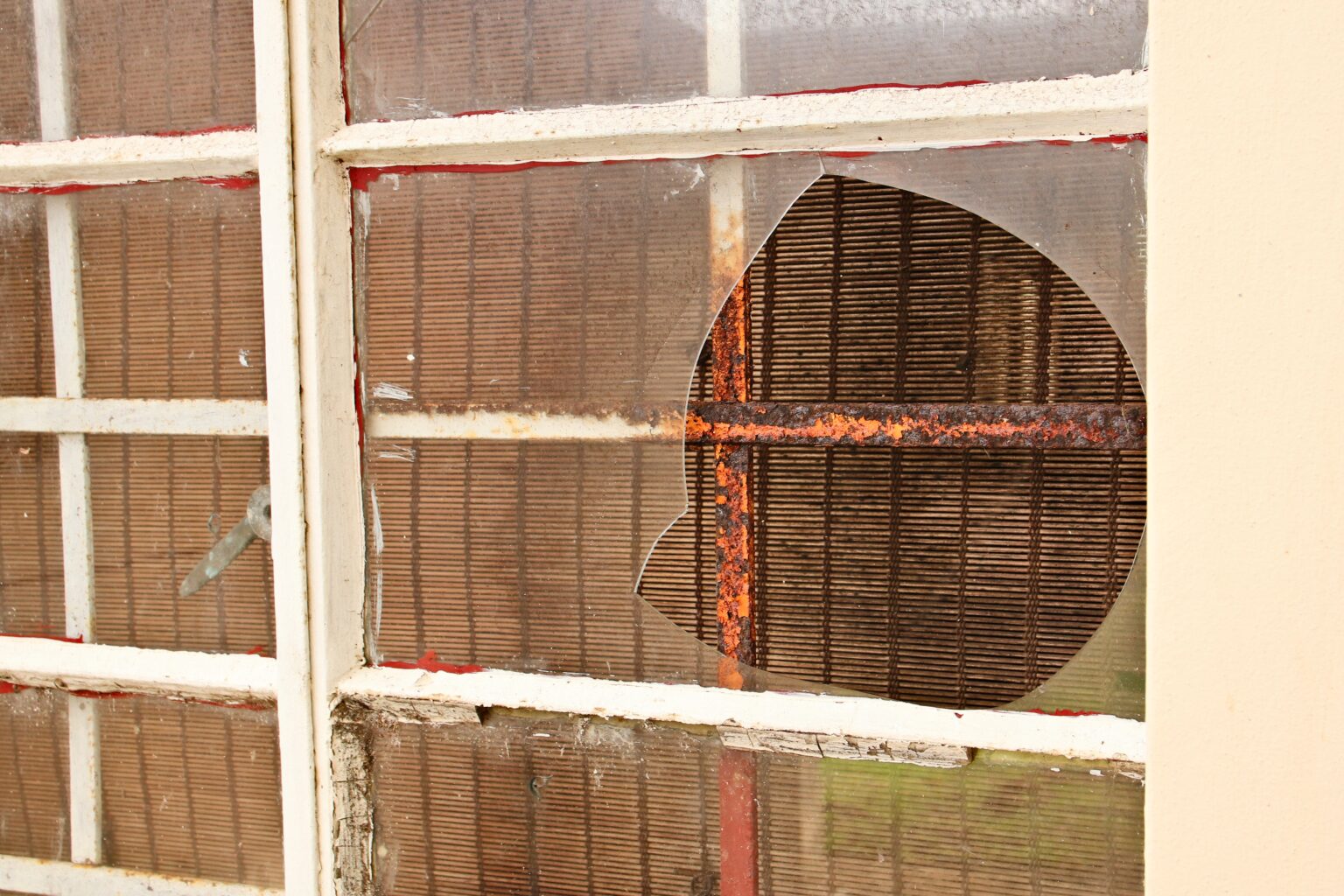
A growing crisis of confidence in law enforcement is leaving millions of South African crime victims in the dark. The latest Governance, Public Safety and Justice Survey (GPSJS) for 2025/26 released by Statistics South Africa (Stats SA) reveals a stark reality: over half of all housebreaking victims across the country choose not to report the crime to the South African Police Service (SAPS), convinced that officers simply won’t take action.
Also see: Ex-SAPS officer and wife convicted on 1,151 charges
According to the report, housebreaking remains the single most prevalent crime affecting South African households. While an estimated 1.5 million housebreaking incidents targeted over 1 million households nationwide in the 2025/26 period, fewer than 48% of affected families formally opened a case with police.
The drivers of non-reporting
Presenting the data, Statistician-General Risenga Maluleke noted that the primary reason cited by South Africans for skipping the police station is a widespread belief that law enforcement will offer no meaningful resolution.
View this post on Instagram
For millions of citizens, registering a break-in has increasingly become an administrative formality reserved solely for insurance claims rather than an expectation of investigation, recovery, or justice. Beyond a perceived lack of police interest, victims also cited a lack of physical proof as a major barrier to filing official reports.
The data highlights a significant discrepancy between official SAPS crime figures and the reality experienced on the ground. Because official police statistics only record incidents that are directly reported or uncovered through investigations, underreporting distorts the visible scale of property crime across Mzansi.
Self-reliance and the rise of home fortifications
Faced with declining trust in public safety institutions, South Africans are increasingly taking matters into their own hands. The survey highlights that 46.6% of individuals have actively altered their routines or upgraded private security measures to guard against crime.
Faced with declining trust in public safety institutions, South Africans are increasingly taking matters into their own hands. The survey highlights that nearly half of all citizens have actively altered their daily routines or upgraded personal security to guard against crime.
Also see: Ramaphosa appoints Puleng Dimpane as acting police commissioner amid SAPS crisis
Most notably, over 31% of individuals now restrict their outdoor movement strictly to safer daytime hours, while nearly 30% have invested in physical fortifications such as reinforced burglar gates, razor wire, and perimeter barriers. Additionally, rather than relying on SAPS dispatch during emergencies, an increasing number of households are turning to private armed response contracts and community neighbourhood watch collectives for daily protection.
My insurance company caught the perpetrators when my house was broken into in 2019 and not @SAPoliceService . If case numbers for insurance purposes was not a thing, we wouldn’t call them at all 🚮
— Sean 🇿🇦 (@Seancology) September 1, 2026
A systemic challenge for law enforcement
The survey findings paint a clear picture of how crime shapes daily life. While over 80% of South Africans report feeling safe walking in their neighbourhoods during the day, that figure plummets to just 37.9% after dark.
As the gap widens between community experiences and police blotters, experts emphasise that rebuilding public trust will require more than just statistical drops. Without visible police presence, faster response times, and effective investigation outcomes, Mzansi’s victims will continue to suffer in silence, leaving private security and self-reliance to fill the void.
Also see: SAPS unveils R600 million plan to prevent unrest before 30 June
Be the first to know – Join our WhatsApp channel for content worth tapping into. Click here to join!