Over the past two decades, the South African television industry has experienced a monumental paradigm shift.
Once dominated by traditional scripted soap operas and structured studio broadcasts, Mzansi’s prime-time airwaves and streaming catalogues are now driven by unscripted reality television.
Also see: HOW SOUTH AFRICA’S KWAITO PIONEERS BUILT A BLUEPRINT FOR GENERATIONS OF ARTISTS
From groundbreaking talent searches and high-society celebrity docuseries to raw relationship formats and lifestyle franchises, unscripted programming has evolved from a secondary entertainment format into the primary engine of South Africa’s modern pop culture economy.
Redefining authentic representation and cultural storytelling
The turning point for South African unscripted television came with the local adaptation and regional creation of formats that directly reflected everyday Mzansi realities. Early pioneers paved the way for local powerhouses such as Uthando Nes’thembu, Life with Kelly Khumalo, Living the Dream with Somizi, and groundbreaking identity docuseries like Becoming.
By replacing scripted tropes with unvarnished human experiences, unscripted TV provided viewers with an unprecedented mirror to navigate complex societal themes, including modern lobolo negotiations, polygamy, gender transition, corporate ambition, and family dynamics within post-apartheid South Africa.
Media scholars and television historians from institutions such as the University of the Witwatersrand (Wits) School of Dramatic Art and the University of Cape Town (UCT) Centre for Film and Media Studies continuously emphasise that South Africa’s unscripted boom succeeded because it localised narrative agency.
Rather than simply importing Western formats, local producers integrated township vernaculars, cultural customs, and authentic emotional arcs, creating a television landscape where viewers saw their own lived experiences validated on major networks like Mzansi Magic, SABC, and global platforms like Netflix.
Fuelling the creator economy and multi-platform monetisation
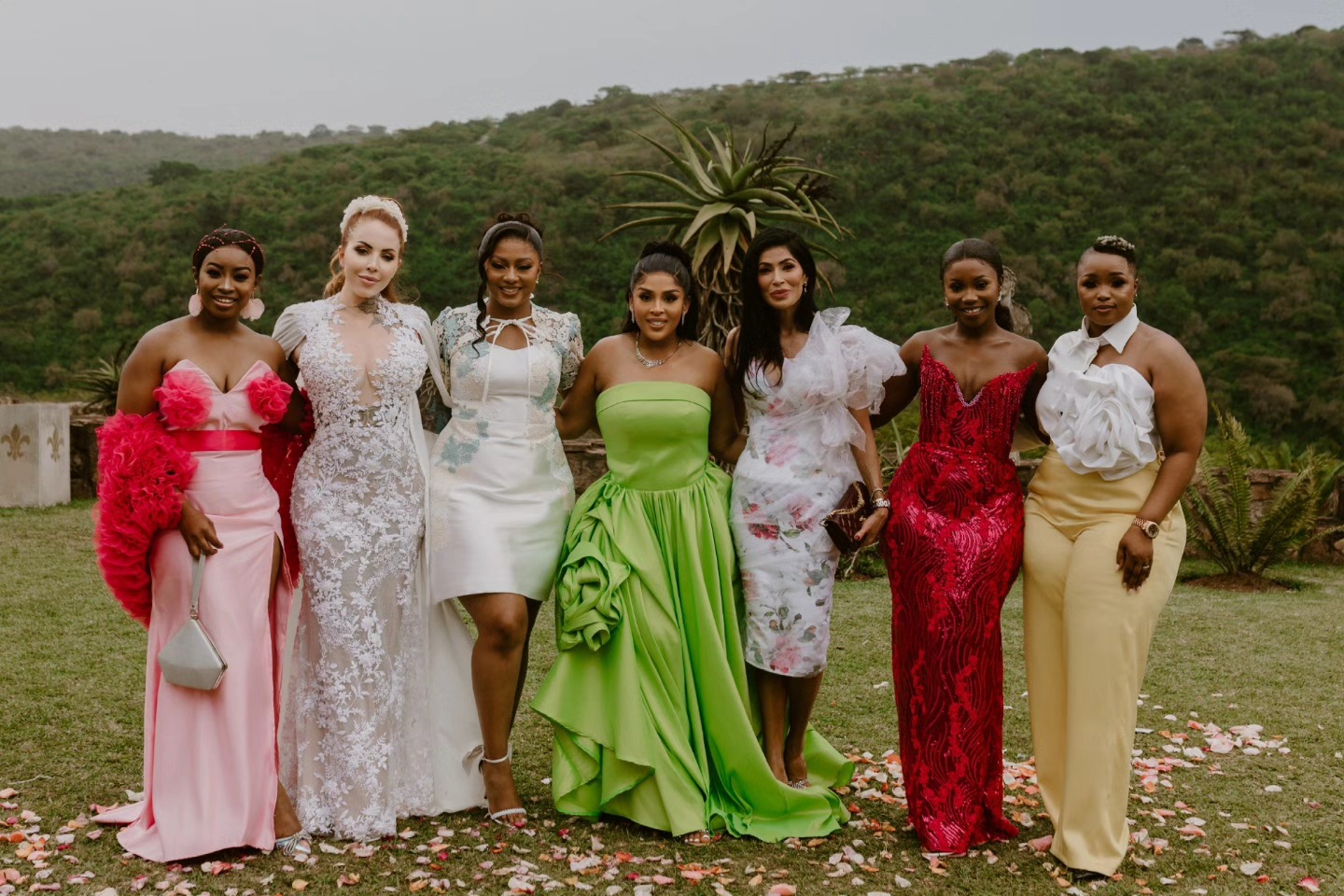
Beyond its cultural resonance, unscripted television completely rewrote the economic rules of celebrity and digital brand building in South Africa. Formats centred around high-profile personalities, such as Being Bonang, The Real Housewives of Johannesburg, The Real Housewives of Durban, and Young, Famous & African, proved that unscripted cameras could serve as powerful incubators for commercial ventures.
Industry analysts from the South African Screen Federation (SASFED) and the Interactive Advertising Bureau (IAB) South Africa note that unscripted TV transformed cast members into multi-platform brands capable of launching beverage lines, fashion houses, and endorsement empires in real time.
The real-time social media commentary surrounding weekly episodes on platforms like X (formerly Twitter) and TikTok transformed television viewing into an interactive, communal event, driving record-breaking linear ratings and digital streaming numbers.
View this post on Instagram
Also see: MZANSI MAGIC EXPANDS REALITY TV SLATE WITH ‘ELEVATOR LOVE’
Establishing an engine for creative industry growth
The rapid expansion of unscripted content has also reshaped the operational landscape for local film and television crew members. Independent production companies, such as BarLeader TV and regional boutique studios, demonstrated that lean production models could yield world-class broadcast quality.
This demand for rapid turnaround, multi-camera field directing, and story editing created thousands of employment opportunities for editors, showrunners, sound engineers, and production managers across Johannesburg, Durban, and Cape Town.
Organisations like the National Film and Video Foundation (NFVF) and the Cultural and Creative Industries Federation of South Africa (CCIFSA) highlight that unscripted television remains one of the most accessible pipelines for emerging creative talent.
The low barrier to entry relative to high-budget period dramas has allowed diverse production houses to secure commission licenses, fostering a more inclusive and resilient local broadcasting ecosystem.
A lasting blueprint for African media
As global streaming platforms continue to invest heavily in South African unscripted formats for international export, the genre’s impact shows no signs of slowing down. By prioritising raw human connection, cultural nuance, and entrepreneurial vision, unscripted television has permanently redefined what it means to tell African stories.
What began as an experimental broadcast format has become the cornerstone of Mzansi’s media identity. Unscripted TV has not only elevated homegrown talent into international stars, but it has also given South African audiences a front-row seat to their own evolving story.
Featured image: Instagram/mrs.jojo.robinson
Also see: THE FORMULA BEHIND A SUCCESSFUL SA SOAPIE OR DRAMA SERIES
Be the first to know – Join our WhatsApp channel for content worth tapping into. Click here to join!