Growing up in Heideveld on the Cape Flats during the turbulent 1980s, Sidley du Preez lived under the constant shadow of apartheid. Protests, patrolling police vehicles, and tear gas fired at schoolchildren were part of daily reality.
Also see: FANNIE MASEMOLA SALUTES BRIGADIER DINEO MOKWELE FOR WHISTLEBLOWERS AWARDS RECOGNITION
Amid navigating ordinary teenage life, going to school, spending time with friends, reading books, and visiting the beach with cousins, she became aware of political prisoners held on Robben Island who were completely isolated and seldom received mail.
At 16, without being a political activist or holding grand ambitions to change the world, she simply wanted to reach out. She recognised that while she could not change laws or open prison doors, she could write a letter.
Writing under censorship and the risk of consequence
Every letter Sidley wrote passed through the scrutiny of prison censors who opened and read correspondence before it reached recipients. Bound by strict censorship that banned political discussions, she filled her pages with simple details of daily life, school, family outings, and days spent at the beach.
Unknown to her at the time, those ordinary details provided a vital window to the outside world for men cut off from humanity.
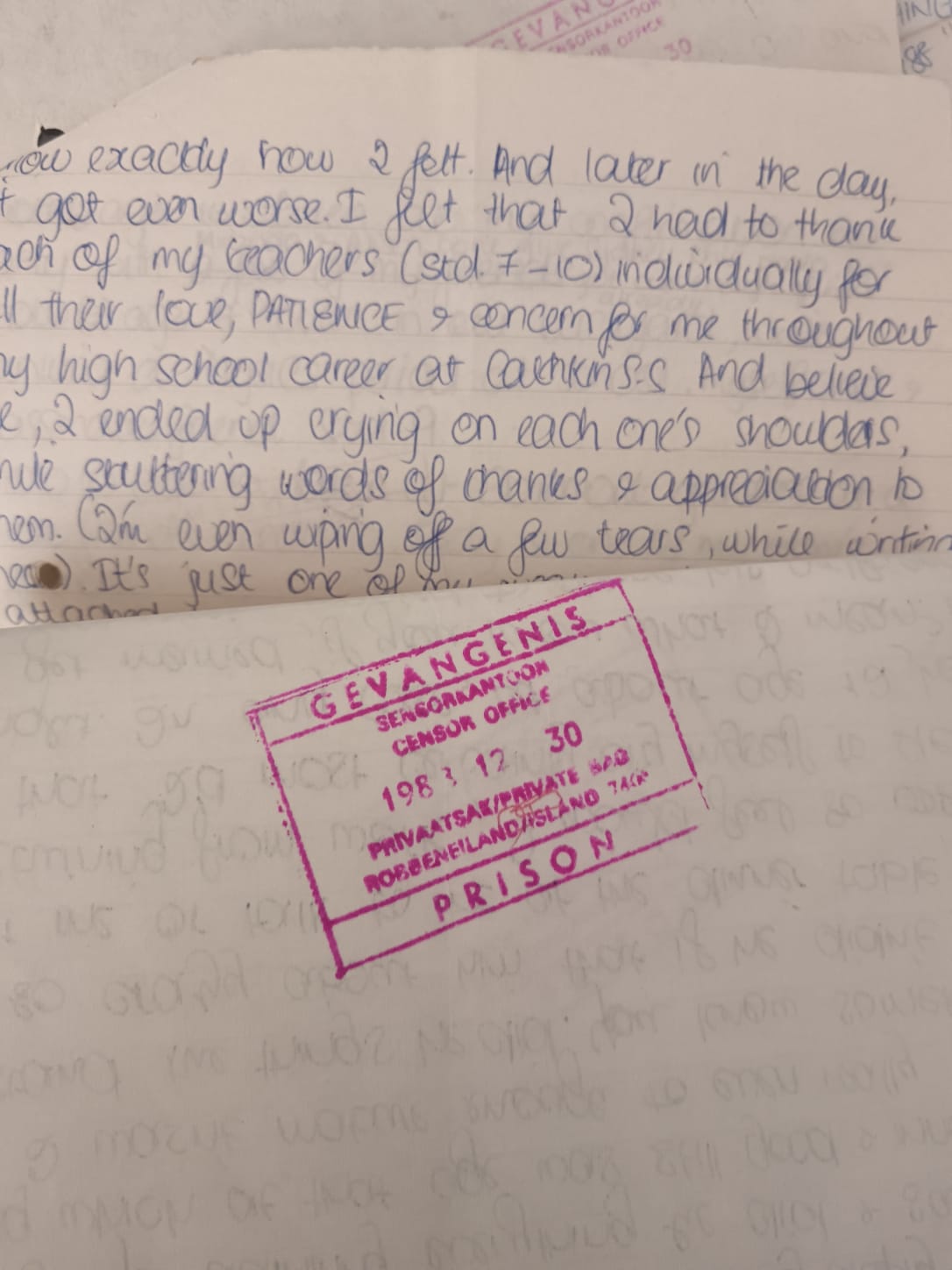
Navigating this connection required immense personal courage. Sidley travelled to Robben Island alone, taking three taxis to reach the harbour while facing prison warders, attack dogs, and the constant threat of surveillance by apartheid security police.
Despite the constant fear of serious consequences, the prisoners ceased to be distant names or numbers; they became people she deeply cared about.
A full-circle reunion on Robben Island
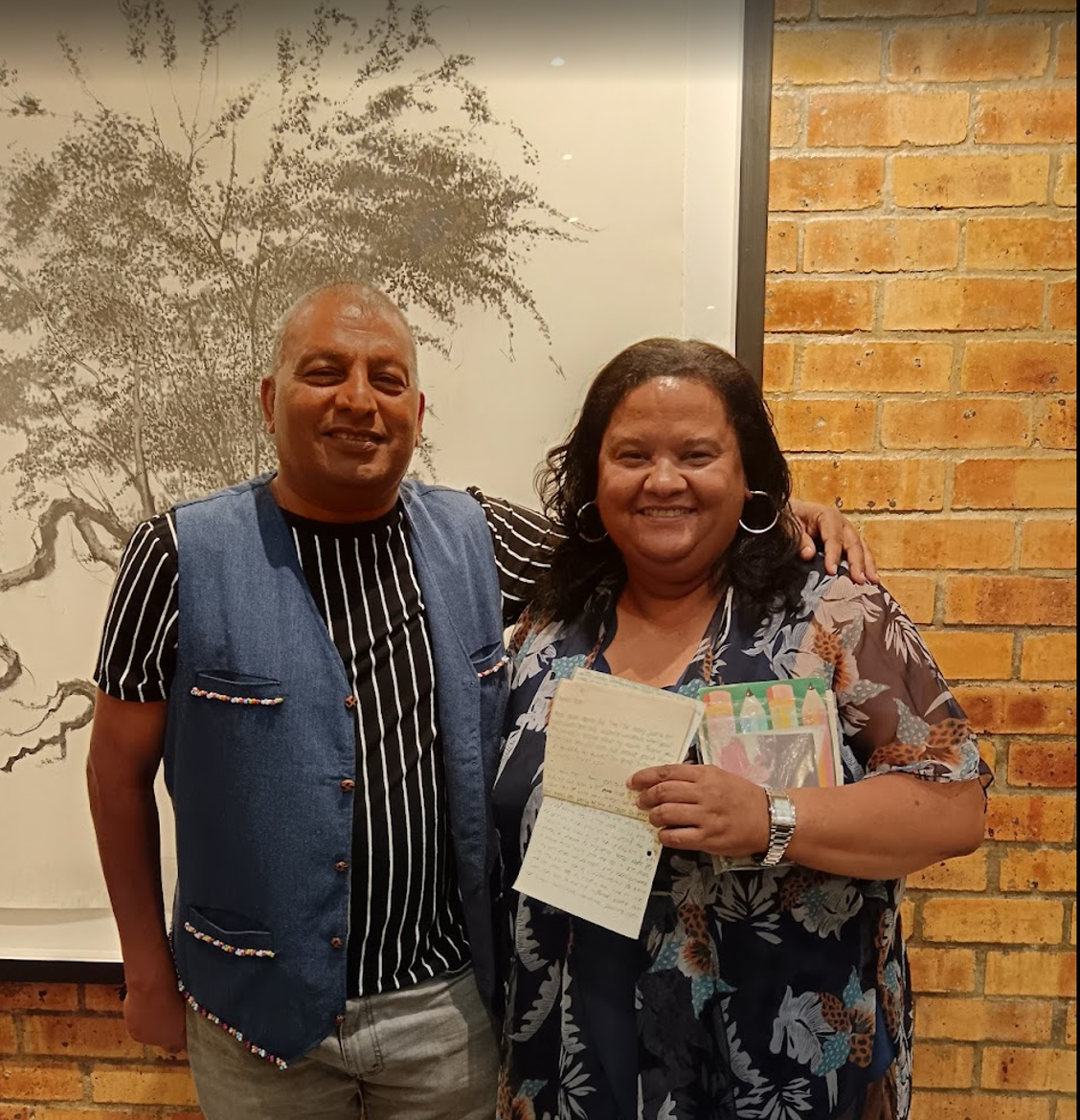
Fast-forward more than three decades to January 2025, when Sidley returned to Robben Island alongside a former political prisoner. Standing near his former cell and the prison kitchen where he had worked, he handed her a preserved bundle of the letters and birthday cards she had written as a teenager.
He revealed that he had kept them in office safes throughout his career because, during his darkest moments behind bars, reading her letters brought a smile to his face.
Holding the physical words of her 16-year-old self proved to be a profound turning point. After years spent in the corporate world where she had begun to doubt her own voice and judgment, the returned letters served as tangible proof of her inherent bravery and moral clarity.
The reunion fundamentally reshaped her understanding of impact, proving that some of the most meaningful acts of courage happen quietly without an audience.
Also see: SMALL CAPE TOWN CHARITY MAKES WAVES ON INTERNATIONAL STAGES
Founding ‘Leadership Before Power’ for Cape Flats youth
Determined not to let the story end on Robben Island, Sidley founded Leadership Before Power.
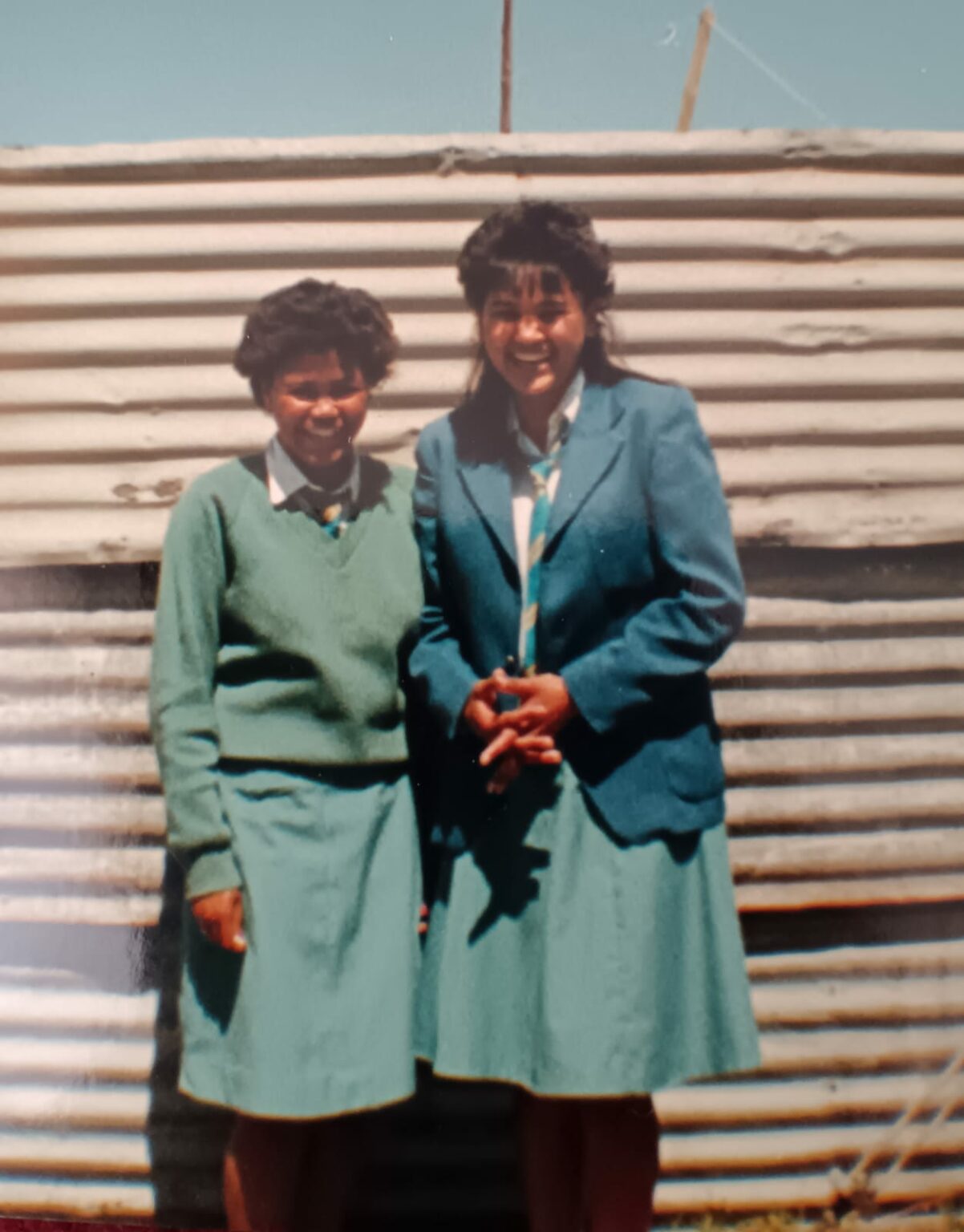
Today, she visits high schools across the Cape Flats, showing learners photographs of herself in her old school uniform to demonstrate that leadership does not begin with titles, prefect badges, or public office. Instead, she challenges young people to think about their daily choices, peer pressure, and moral agency when nobody is watching.
To build on this mission, Sidley is developing a structured pilot programme featuring facilitated conversations, learner journals, and educator workshops designed to help young people reflect on their core values and become conscious, ethical adults.
Taking the Cape Flats story to Oxford University
Sidley’s academic research paper, titled Letters Under Censorship: How Historical Literacy Can Build Moral Agency, Civic Responsibility and Ethical Leadership, has been officially selected for presentation at the World Literacy Summit at Oxford University in April 2027.
The selection marks a historic journey, bringing a story rooted in the Cape Flats to an international stage of global educators, scholars, and researchers.
To turn this opportunity into a long-term benefit for local schools, Sidley has launched a verified BackaBuddy campaign to cover the travel and presentation costs for the summit.
Her goal is to bring global research connections back to South Africa to expand her six-school pilot programme. Readers wishing to support her journey can donate directly or share her official BackaBuddy initiative online.
Featured image: Supplied
Also see: DUDUZILE ZUMA-SAMBUDLA’S CRIMINAL CASE CONTINUES AFTER COURT REJECTS WITHDRAWAL BID
Be the first to know – Join our WhatsApp channel for content worth tapping into. Click here to join!