Long before global dance floors surrendered to amapiano’s hypnotic log drums or local airwaves were dominated by Motswako and modern SA hip hop, South Africa’s musical blueprint was forged in the post-1994 township crucible of Kwaito.
Also see: REMEMBERING MAGESH: MZANSI CELEBS CELEBRATE LATE KWAITO LEGEND ON 50TH BIRTHDAY
Spearheaded by trailblazers like Arthur Mafokate, Mdu Masilela, TKZee, Boom Shaka, and Oskido’s Kalawa Jazmee circle, Kwaito slowed down international house tempos, infused them with local mbaqanga, kwela, and street slang, creating a distinct sonic identity.
Beyond defining an era of newfound liberation, Kwaito established the structural, economic, and creative foundation that fuels South Africa’s modern hitmakers across genres.
Laying the structural and tempo foundation for modern amapiano
Musically, Kwaito’s signature relaxed tempo (typically 95 to 110 BPM), heavy basslines, extended intro structures, and space-filled grooves directly informed the architecture of amapiano.
Ethnomusicologists and musicology researchers at the University of the Witwatersrand (Wits) and the University of KwaZulu-Natal (UKZN) Centre for Communication, Media and Society (CCMS) continuously highlight that amapiano is not an isolated phenomenon, but rather an organic evolution within South Africa’s long continuum of Black township dance music.
Pioneers like Mdu Masilela popularised the use of heavy synth stabs and melodic keyboard vamps over unhurried house kicks, setting a production standard that contemporary amapiano producers rely on today.
When listener-favourites incorporate chant-based call-and-response vocals or extended instrumental breakdowns built for social spaces, they are drawing directly from the blueprint drawn up by Kwaito icons thirty years prior.
Also see: KWAITO STAR ARTHUR MAFOKATE MOURNS BELOVED FATHER ENOS MAFOKATE
View this post on Instagram
Crafting the linguistic lexicon for South African hip hop
Before South African rap secured mainstream commercial dominance, Kwaito proved that local township vernaculars, isicamtho, tsotsitaal, isiZulu, Sesotho, and township Afrikaans, could define mainstream pop culture.
Supergroups like TKZee (Tokollo Tshabalala, Kabelo Mabalane, and Zwai Bala) merged refined classical arrangement with rapid-fire, rhythmic vocal delivery, creating the blueprint for ‘Guz’ music and early local rap.
Senior lecturers in media studies at the University of Cape Town (UCT) and AFDA (The School for the Creative Economy) point out that modern SA hip hop subgenres, ranging from Motswako pioneered by HHP and ProVerb to the ‘New Age Kwaito’ movement driven by Kwesta, Riky Rick, K.O, and Cassper Nyovest, owe their existence to Kwaito’s linguistic courage.
Kwaito demonstrated that South African artists did not need to imitate American cadence to achieve massive commercial success; speaking authentically in the rhythms of the township was their greatest competitive advantage.
A lasting legacy of cultural pride and global influence
As South African music commands worldwide attention on streaming platforms and global festival stages, the influence of Kwaito remains woven into every layer of Mzansi’s soundscape. From street style and Pantsula dance culture to production swing and lyricism, Kwaito was more than a genre; it was a declaration of youth independence.
Researchers, cultural commentators, and contemporary artists alike agree that without the ground paved by Kwaito’s early architects, South Africa’s contemporary music export economy would not exist in its current form.
By honouring the legacy of the pioneers who transformed township noise into national pride, today’s generation of hip hop and amapiano stars continue to build upon a heritage designed to take African stories to the world.
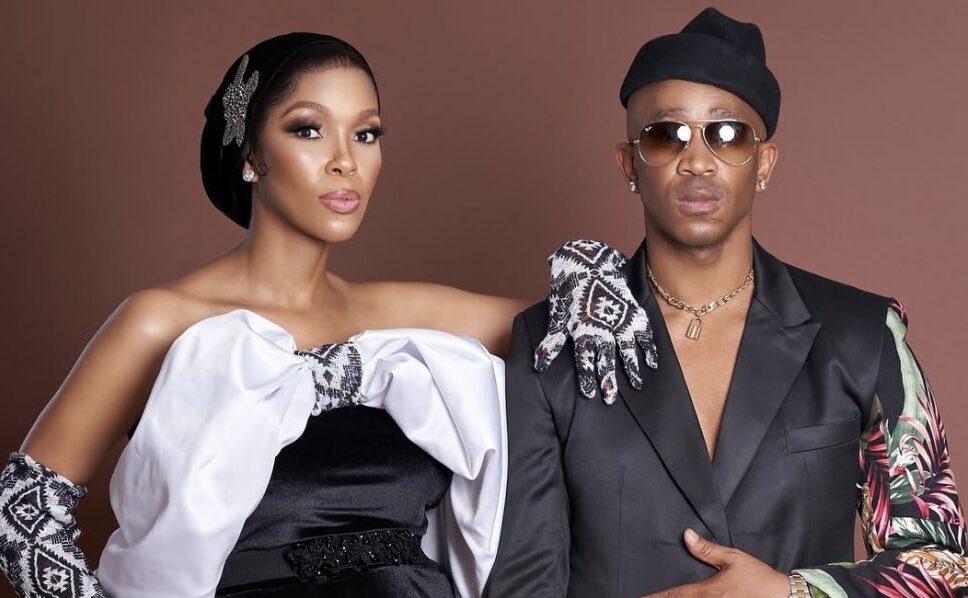
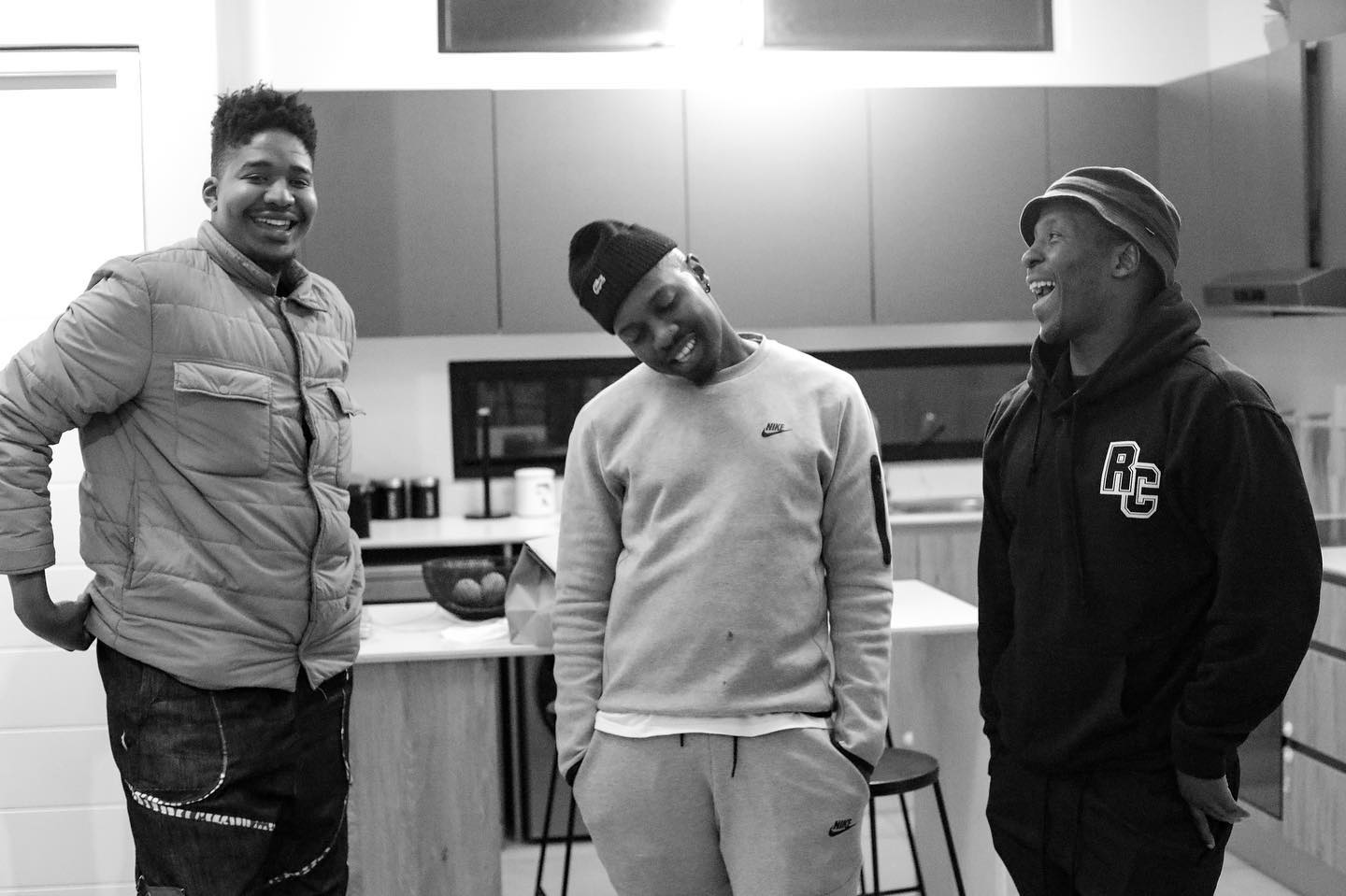
Featured image: Instagram/@kabelomabalane
Also see: MR THELA BAGS BEST KWAITO/GQOM AWARD AT METRO FM AWARDS
Be the first to know – Join our WhatsApp channel for content worth tapping into. Click here to join!