
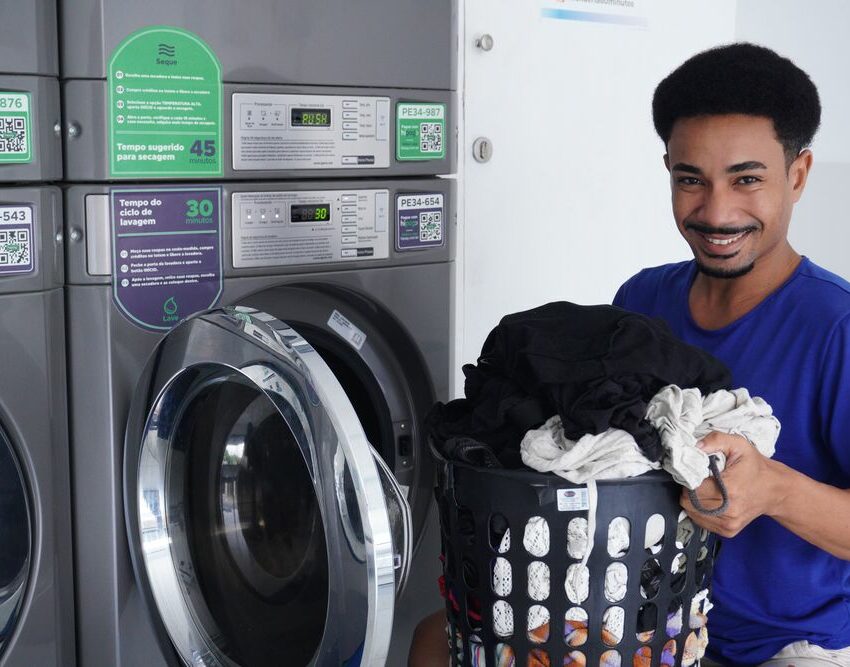
Replacing clothes can be expensive, but taking proper care of your wardrobe can help your favourite pieces look newer for longer.
From washing garments correctly to storing them properly, small habits can extend the life of your clothing, save you money and reduce textile waste.
Also see: Alternative ways to dry your clothes this winter
Whether it’s your everyday basics or special occasion outfits, these simple clothing care tips can help you get the most out of your wardrobe.
1. Read the care label
Before washing any garment, check the care label.
According to The Woolmark Company, care labels provide important information about the correct washing temperature, drying method and ironing instructions. Following these guidelines helps prevent shrinking, fading and fabric damage.
Taking a few seconds to read the label can help you avoid costly mistakes.
2. Wash clothes only when necessary
Not every item needs to be washed after a single wear.
According to Levi Strauss & Co., overwashing can fade colours, weaken fibres and shorten the lifespan of clothing, particularly denim. Airing garments out between wears can help keep them fresh while reducing unnecessary washing.
Items such as jackets, jeans and knitwear often require less frequent washing than underwear or gym clothes.
3. Sort your laundry properly
Separate clothes by colour, fabric type and washing temperature.
Cleanipedia South Africa recommends washing dark, light and brightly coloured garments separately to prevent colour transfer. Delicate fabrics should also be washed separately from heavier items like towels and jeans.
Sorting laundry also helps reduce friction that can damage delicate fabrics.
4. Use the correct amount of detergent
More detergent doesn’t necessarily mean cleaner clothes.
According to Unilever’s Skip Laundry Tips, using too much detergent can leave residue on fabrics, while using too little may not clean clothes effectively. Always follow the dosage instructions based on your load size and water hardness.
Also see: The best places to donate your clothes
5. Wash in cold water when possible
Cold water is gentler on most fabrics and helps preserve colours.
The South African Bureau of Standards (SABS) notes that washing at lower temperatures can reduce wear on fabrics while also saving energy.
Unless the care label specifies otherwise, cold or cool washes are suitable for many everyday garments.
6. Avoid overloading the washing machine
Stuffing too many clothes into one load prevents garments from moving freely.
According to Whirlpool, overloaded washing machines can lead to poor cleaning results and increase friction between garments, causing fabrics to wear out more quickly.
Leaving enough space allows clothes to be cleaned more effectively.
7. Air-dry whenever possible
High heat from tumble dryers can shrink clothing and weaken fibres over time.
The Woolmark Company recommends air-drying delicate garments and laying knitwear flat to maintain its shape. Hanging clothes outside or on an indoor drying rack can also help reduce energy use.
8. Store clothes correctly
Proper storage is just as important as proper washing.
Use sturdy hangers for jackets and shirts, fold knitwear to prevent stretching and store seasonal clothing in clean, dry containers. According to Cleanipedia South Africa, storing clothes in a cool, dry place helps prevent mould, mildew and unpleasant odours.
9. Treat stains as soon as possible
The longer a stain sits, the harder it becomes to remove.
Blot stains gently rather than rubbing them, and treat them with an appropriate stain remover before washing. Skip Laundry Tips recommends addressing stains promptly to improve the chances of complete removal without damaging the fabric.
10. Repair instead of replacing
A loose button, small tear, or broken zip doesn’t always mean it’s time to throw a garment away. Learning basic sewing skills or taking clothes to a tailor can extend the life of your wardrobe and save money over time.
According to WRAP (Waste and Resources Action Programme), repairing and wearing clothing for longer reduces textile waste and supports more sustainable fashion habits.
Final thoughts
Looking after your clothes doesn’t require expensive products or complicated routines. By following care labels, washing garments correctly, storing them properly and making simple repairs, you can keep your wardrobe in excellent condition for years.
These habits not only save money but also reduce waste, making them a win for both your budget and the environment.
Also see: Travelling with unpredictable weather? Here’s your packing checklist
Be the first to know – Join our WhatsApp channel for content worth tapping into. Click here to join!