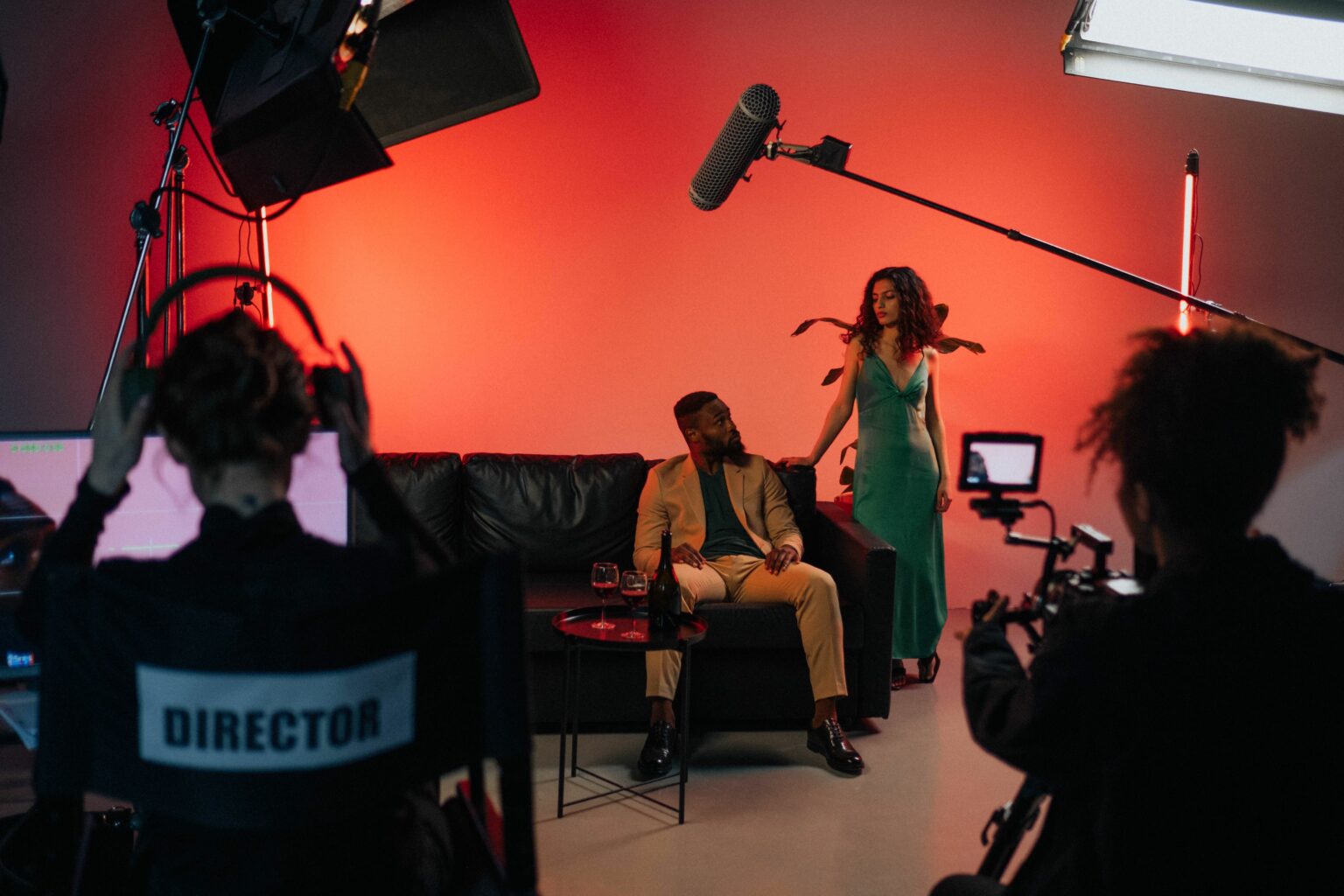
The landscape of South African cinema has undergone a profound transformation. What once relied heavily on imported crews and external funding models has evolved into a self-sustaining, highly sophisticated ecosystem driven by local grit, digital accessibility, and robust institutional support.
Also see: LUCKY ISIBAYA TEAMS UP WITH THOBANI NZUZA FOR NEW SHORT FILM ‘AMALOBOLO’
From the bustling alleyways of the Cape Flats and Soweto to high-end studios in Cape Town and Johannesburg, South African storytelling is capturing international audiences while building physical and intellectual infrastructure right at home.
Building the foundations: Studios, tax incentives, and policy
The backbone of any thriving film industry lies in its infrastructure. Over the past decade, South Africa has solidified its position as a premier global destination for international co-productions and local filmmaking alike, thanks in no small part to the Department of Trade, Industry and Competition (the DTIC) film incentive schemes.
Facilities like Cape Town Film Studios have provided world-class soundstages and production services that rival major international hubs, attracting Hollywood studios while nurturing regional talent.
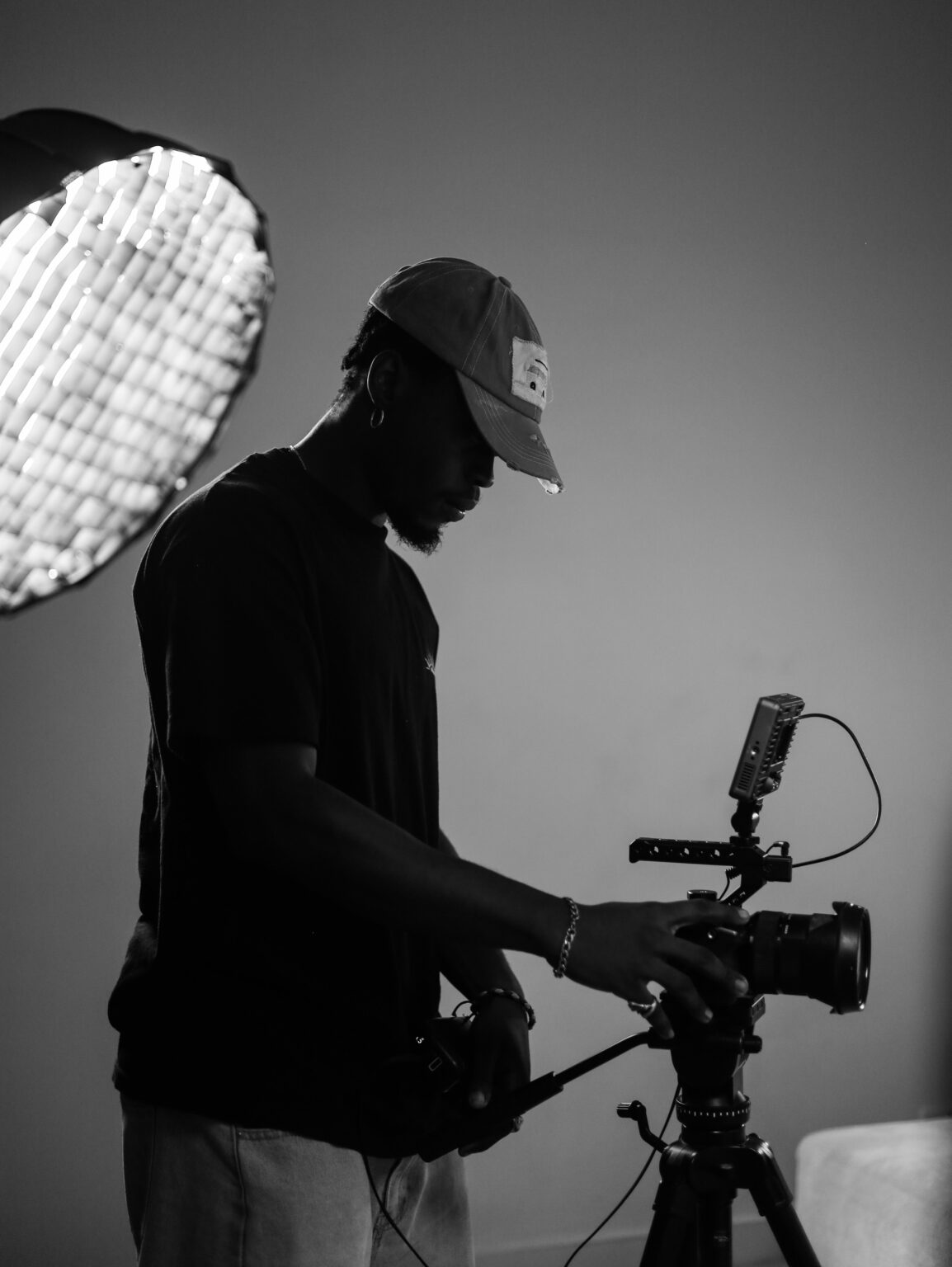
Yet, institutional bodies emphasise that physical sets are only half the battle. Organisations such as the National Film and Video Foundation (NFVF) and the Independent Producers Organisation (IPO) have continuously championed policy frameworks aimed at retaining intellectual property rights locally and ensuring sustainable funding streams for independent creators.
This institutional backing has allowed filmmakers to move past mere service-industry production into authentic, original storytelling that reflects the nuanced realities of South African life.
Also see: MAGLERA DOE BOY SHARES FIRST LOOK OF NEW SHORT FILM ‘MZANSI’
Perspectives from the ground: Filmmakers, critics, and academics
The shift from outsider-gaze narratives to authentic, locally driven cinema has been fiercely documented and analysed by the country’s leading cultural voices.
Film critics and academics from institutions such as the University of Cape Town (UCT) Centre for Film and Media Studies, the University of the Witwatersrand (Wits) School of Arts, and the Durban University of Technology (DUT) note that contemporary South African directors are subverting traditional genre tropes.
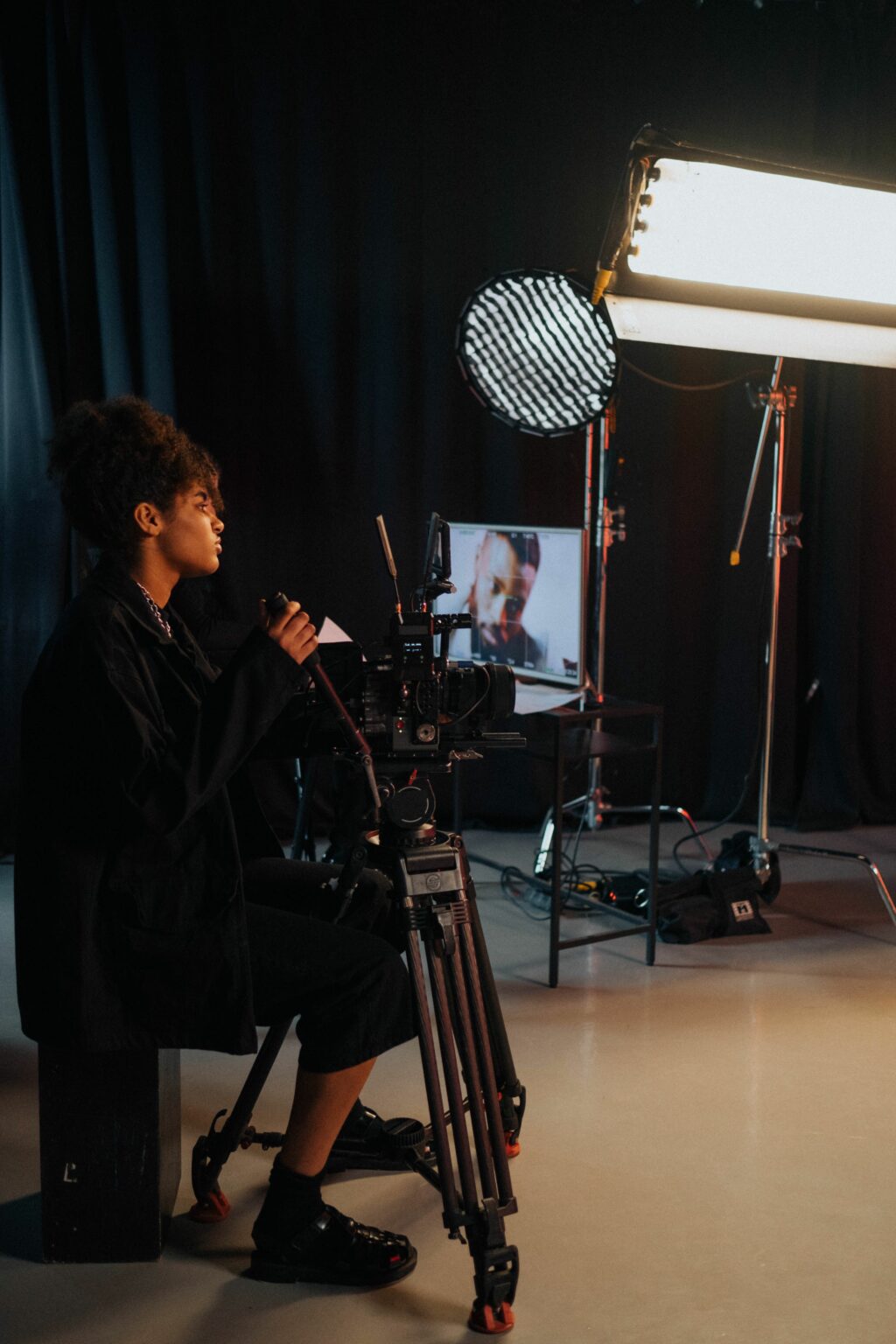
Acclaimed local filmmakers and veteran industry actors frequently highlight that the democratisation of digital cameras and editing software has broken down historical barriers to entry.
Where filmmaking was once restricted to well-funded entities centred around affluent enclaves, creators from townships and rural provinces are now utilising affordable tools to produce high-impact short films, gritty dramas, and unscripted formats.
Film lecturers emphasise that this grassroots accessibility is reshaping university curricula, forcing formal film schools to prioritise authentic narrative agency over rigid, Eurocentric technical standards.
Global resonance and the road ahead
This infrastructural and creative maturation has not gone unnoticed on the global stage. International film festivals, from Berlinale and Toronto to specialised African cinema showcases, increasingly feature South African features, documentaries, and short film projects in competitive lineups.
Global film critics point out that South African cinema’s unique strength lies in its ability to blend gripping social realism with universal human themes, making stories rooted in local townships resonate deeply with audiences in New York, London, and beyond.
As training initiatives expand, regional film festivals multiply, and co-production treaties open new international doors, South Africa’s film infrastructure stands at an exhilarating crossroads.
The transition from temporary service locations to permanent, creator-owned production powerhouses ensures that the next generation of storytellers will not just participate in global cinema; they will help define it.
Featured image: Pexels/Ron Lach
Also see: BLACK COFFEE SUPERVISES MUSIC FOR UPCOMING FILM ‘APART’
Be the first to know – Join our WhatsApp channel for content worth tapping into. Click here to join!