

From climate-resilient grains like sorghum and teff to nutrient-dense wild greens like imifino, indigenous African crops are stepping into the culinary spotlight.
Also see: How urban gardening is reshaping mental health and food security
Once overlooked as rustic staples, these heritage ingredients are being reimagined by visionary chefs, food scientists, and academic researchers as the key to sustainable, high-end gastronomy and future global food security.
Local and international experts are actively elevating traditional ingredients for modern dining rooms, creating a movement that connects deep cultural history with modern plate presentation.
Bridging heritage and science through academic research
Academic research across Southern Africa and globally is driving a vibrant revival of indigenous and underutilised food crops.
Scholars like Dr Peter Jacobs, Strategic Lead at the Human Sciences Research Council, alongside Khumo Mngomezulu from Wits University, emphasise that indigenous crops like amadumbe and sorghum are critical to addressing nutritional security while offering consumers a sense of dignity, heritage, and place through food.
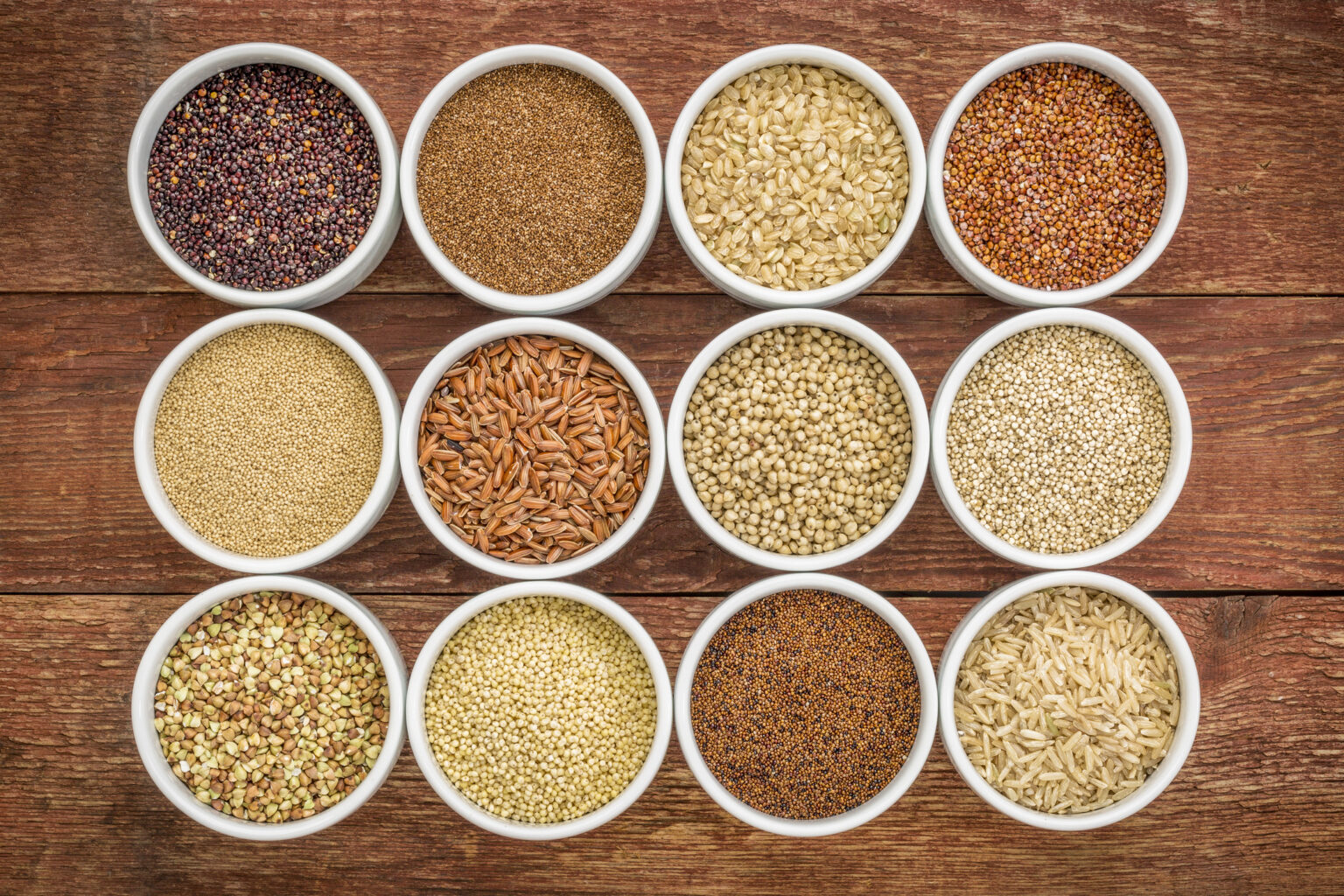
Similarly, North-West University’s Ancient Grains Project, led by Professor Jacques Berner and Professor Sydney Mavengahama, works tirelessly to take resilience-heavy crops like amaranth, sorghum, and millet from local demonstration farms directly to modern retail shelves and high-end culinary menus through value-chain innovation.
Further supporting this shift, research led by Professor Xikombiso Mbhenyane at Stellenbosch University highlights that integrating traditional African food plants into everyday diets preserves biodiversity while supplying rich micronutrients and antioxidants essential for long-term health.
From heritage staples to fine-dining delicacies
For decades, many indigenous crops faced an undeserved social stigma, often disparaged as basic survival food or treated as common weeds.
Today, contemporary chefs are actively dismantling those misconceptions and elevating these ingredients into star culinary components. Sorghum and teff are now regularly replacing refined wheat in artisanal baking, modern pasta-making, and gluten-free craft brewing across urban food capitals.
Also see: Nutritious foods to help fuel your body and brain
Amadumbe and cassava are being transformed into silky purées, gnocchi, and crispy root crisps served at top-tier African bistros and fine-dining establishments.
Meanwhile, wild leafy greens like amaranth and spider plant, traditionally gathered in rural fields, are now delicate additions to gourmet compound butters, broths, and elevated side dishes that showcase the rich complexity of local produce.

Climate resilience meets future food security
Beyond their unique culinary profile, traditional ingredients are inherently climate-smart. Researchers from the University of Pretoria and global institutions like the United Nations Food and Agriculture Organisation emphasise that indigenous African crops naturally tolerate severe drought, high heat, and poor soil conditions better than imported commercial crops.
By elevating these ingredients on modern menus, food lovers and culinary creators are not only indulging in rich, authentic cultural flavours, but also actively supporting sustainable agriculture, reducing food production carbon footprints, and preserving precious agricultural biodiversity for generations to come.
Featured image: iStock/FG Trade
Also see: 5 Simple ways to reduce food waste in the kitchen
Be the first to know – Join our WhatsApp channel for content worth tapping into. Click here to join!